

Stainless Steel Marking with a Laser Marking Machine
A laser marking machine is an industrial technology that enables permanent, clear, and contactless marking on stainless steel surfaces. Serial numbers, QR codes, DataMatrix codes, barcodes, production dates, logos, model information, and technical symbols can be marked on stainless steel components with high precision.
Stainless steel is used in many industries, from automotive and medical to machinery manufacturing and home appliances, due to its durability, corrosion resistance, and long service life. To ensure that components made from this material can be properly identified and tracked, the marking must be as durable as the surface itself. Therefore, stainless steel laser marking provides an effective solution for product identification and traceability.
How Is Stainless Steel Laser Marking Performed?
What Is Stainless Steel Marking?
Stainless steel marking is the process of creating a permanent mark by moving a laser beam across a metal surface in a controlled manner. During marking, the laser beam is focused on a designated area to create text, numbers, symbols, logos, or machine-readable codes on the surface.
Different surface effects can be achieved depending on the application. In some applications, a dark, high-contrast mark is created on the surface, while in others, a certain amount of material is removed to achieve an engraving-like result. The preferred method is determined according to the product's intended use, aesthetic expectations, and marking durability requirements.
Why Is Fiber Laser Used for Stainless Steel?
Fiber laser is one of the most widely used technologies in stainless steel marking applications. Fiber laser systems can perform high-precision and high-speed marking thanks to the effective absorption of laser energy by metal surfaces.
Fiber laser marking is a suitable solution for small characters, fine lines, detailed logos, and high-density DataMatrix codes. Achieving repeatable results in industrial production is a significant advantage, particularly for businesses engaged in mass production.
The power of the laser source used for stainless steel is not sufficient as a standalone selection criterion. Focal distance, marking area, scanning speed, frequency, pulse characteristics, and application parameters should be evaluated together.
What Information Can Be Marked on Stainless Steel?
A laser marking machine can permanently mark a wide range of information required for production and product tracking on stainless steel products.
- Company logo and brand information
- Product and model code
- Serial number
- Batch and lot number
- Production date
- Barcode
- QR code
- DataMatrix code
- Technical specifications
- Warning and safety symbols
This information can be fixed or may consist of variable data that changes from product to product. For example, each product can be assigned a different serial number or DataMatrix code. Using variable data through laser marking software facilitates the individual identification of products in mass production.
Serial Number and DataMatrix Marking on Stainless Steel
The use of serial numbers and DataMatrix codes is very common in the traceability of stainless steel components. Particularly in the automotive, medical, defense, and machinery manufacturing industries, it may be necessary to track the production history of each component.
While a serial number gives each product a unique identity, a DataMatrix code can contain additional information or a system record number. When the code is scanned, information such as the production date, batch details, quality control records, or other digital data associated with the product can be accessed.
In this type of coding, not only visual quality but also machine readability is important. Therefore, code contrast, cell structure, dimensions, and the performance of the reader being used should be evaluated together when determining laser parameters.
Logo and Aesthetic Marking on Stainless Steel
Laser marking is not used solely for technical coding. Brand logos, product names, and decorative designs can also be marked on stainless steel surfaces with high precision. This feature provides significant advantages for kitchen equipment, industrial devices, electronic product housings, accessories, and promotional products.
The laser-generated mark is placed directly on the product surface without the need for labels. This allows for a more integrated and professional appearance. The fineness of logo lines and the level of detail can be adjusted according to the laser system and optical configuration used.
What Are the Benefits of Contactless Marking on Stainless Steel?
Laser marking is a contactless process. Therefore, the marking head does not physically touch the product surface. This feature is particularly important when marking components with precise dimensions.
Mechanical pressure or engraving methods may apply physical force to the product. In laser marking, however, energy is applied in a controlled manner. This enables more controlled processing of small components, thin surfaces, and delicate products.
Which Industries Use Stainless Steel Laser Marking?
Laser marking can be preferred in many industries where stainless steel is widely used. The purpose may be traceability, quality control, or the permanent display of brand and product information.
- Automotive and spare parts manufacturing
- Machinery and equipment manufacturing
- Medical device and surgical equipment manufacturing
- Defense industry
- Electronic product manufacturing
- Home appliance industry
- Food processing equipment
- Industrial kitchen equipment
- Metal accessories and promotional products
- Fasteners and technical components
Traceability in Medical and Industrial Applications
Stainless steel is a widely used material in medical devices and surgical equipment. Proper identification of these products is important for production and quality control processes. Serial numbers or DataMatrix codes marked on products allow components to be linked to digital records.
Similarly, permanent marking can be used to track the maintenance and service history of stainless steel components used in industrial machinery. Information such as when a component was manufactured, which production series it belongs to, or which machine it is associated with can be identified through the code on the product.
What Should Be Considered When Choosing a Stainless Steel Marking Machine?
Application requirements should be determined in advance when selecting a laser marking machine for stainless steel. Even with the same material, surface structure, product geometry, and desired results may vary.
- The surface structure of the stainless steel should be analyzed.
- It should be determined whether dark, high-contrast marking or deep engraving is required.
- The marking area and product dimensions should be calculated.
- Requirements for serial numbers, QR codes, or DataMatrix codes should be clarified.
- Code readability should be tested with the actual readers to be used.
- Production speed and cycle time should be taken into account.
- Manual or automated operation requirements should be determined.
- Technical service and after-sales support should be evaluated.
Performing test marking on a product sample helps achieve one of the most reliable outcomes when selecting a machine. During testing, contrast, detail quality, marking time, and the effect created on the surface can be evaluated together.
Stainless Steel Laser Marking Solutions with Venox
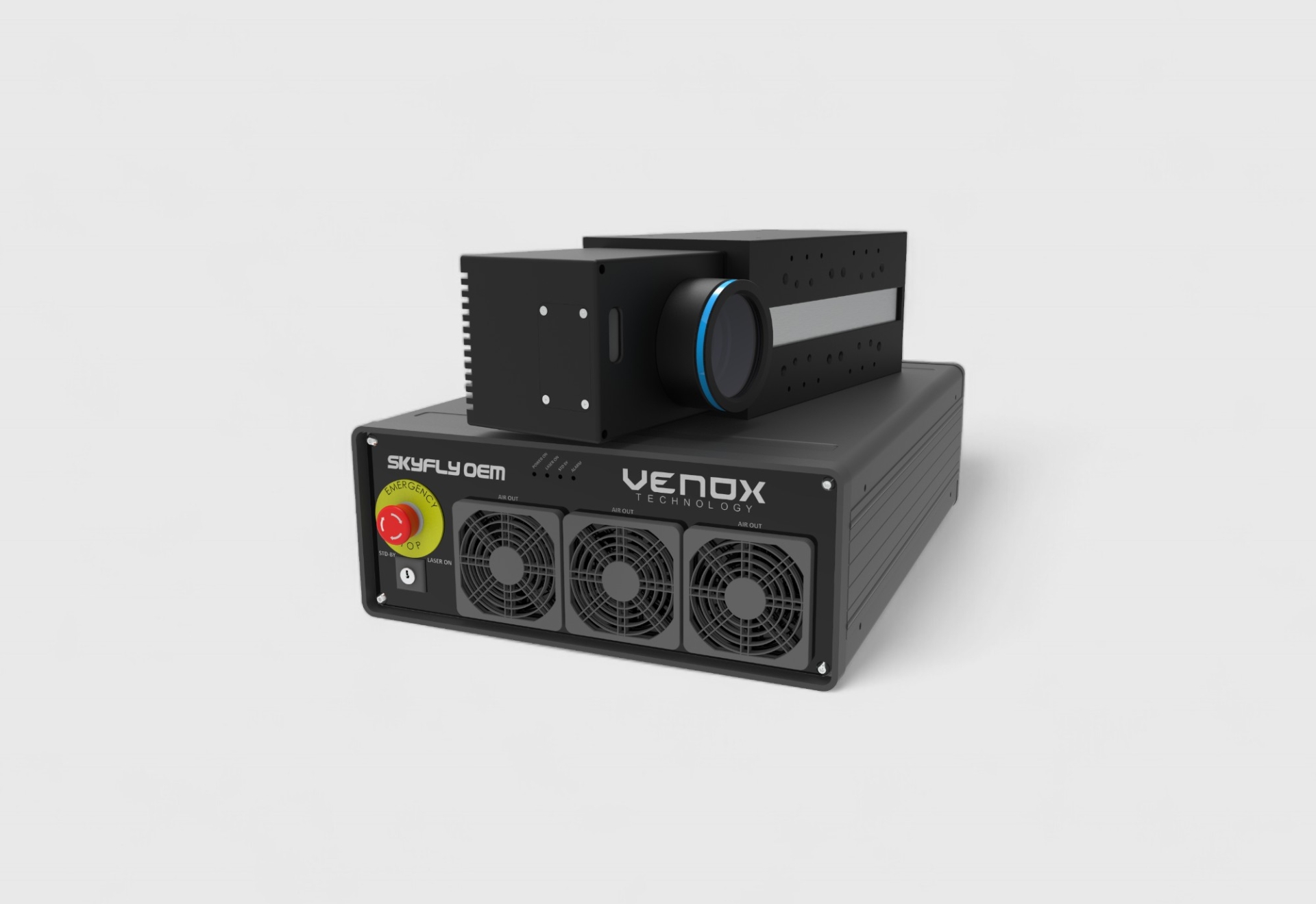
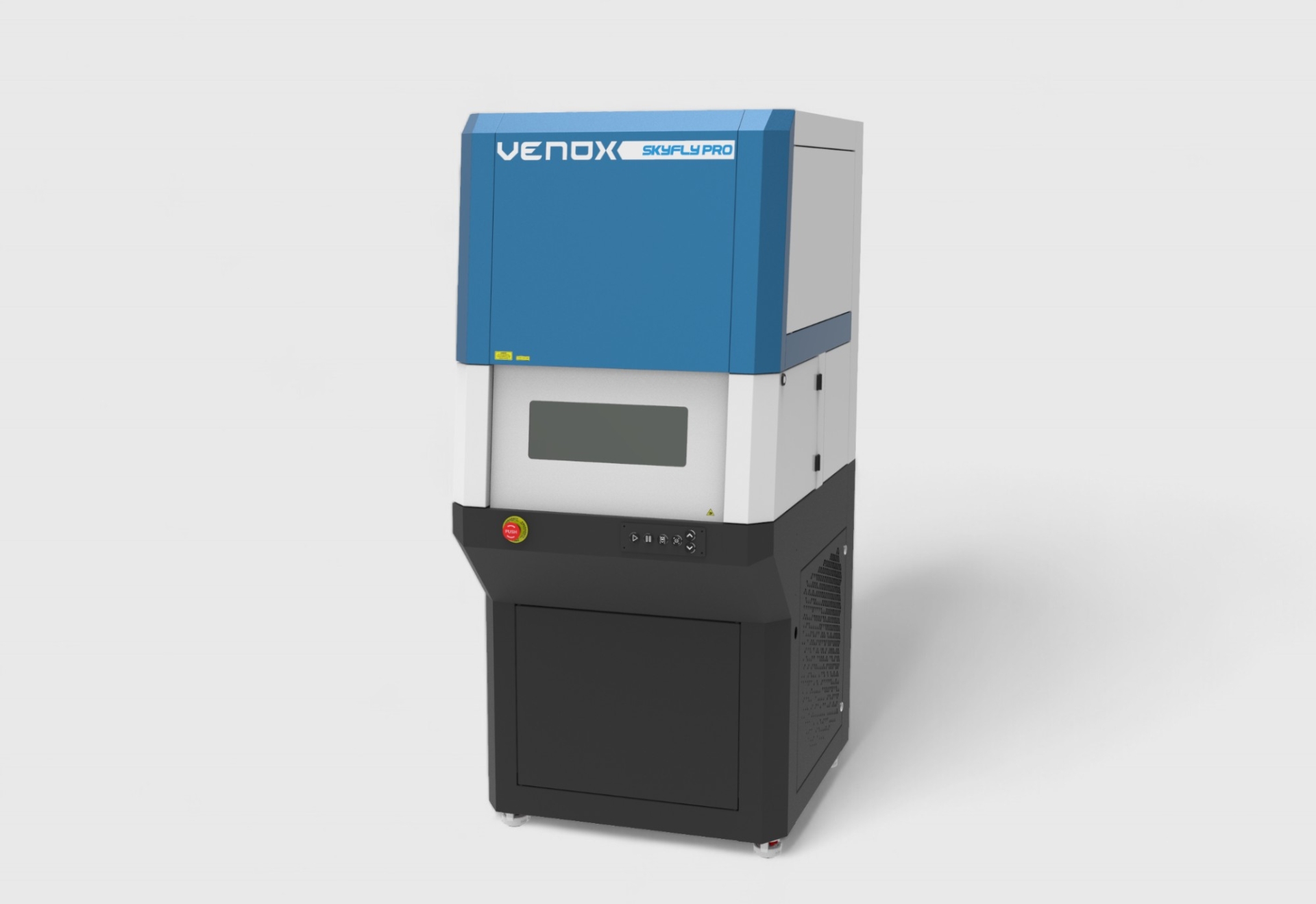
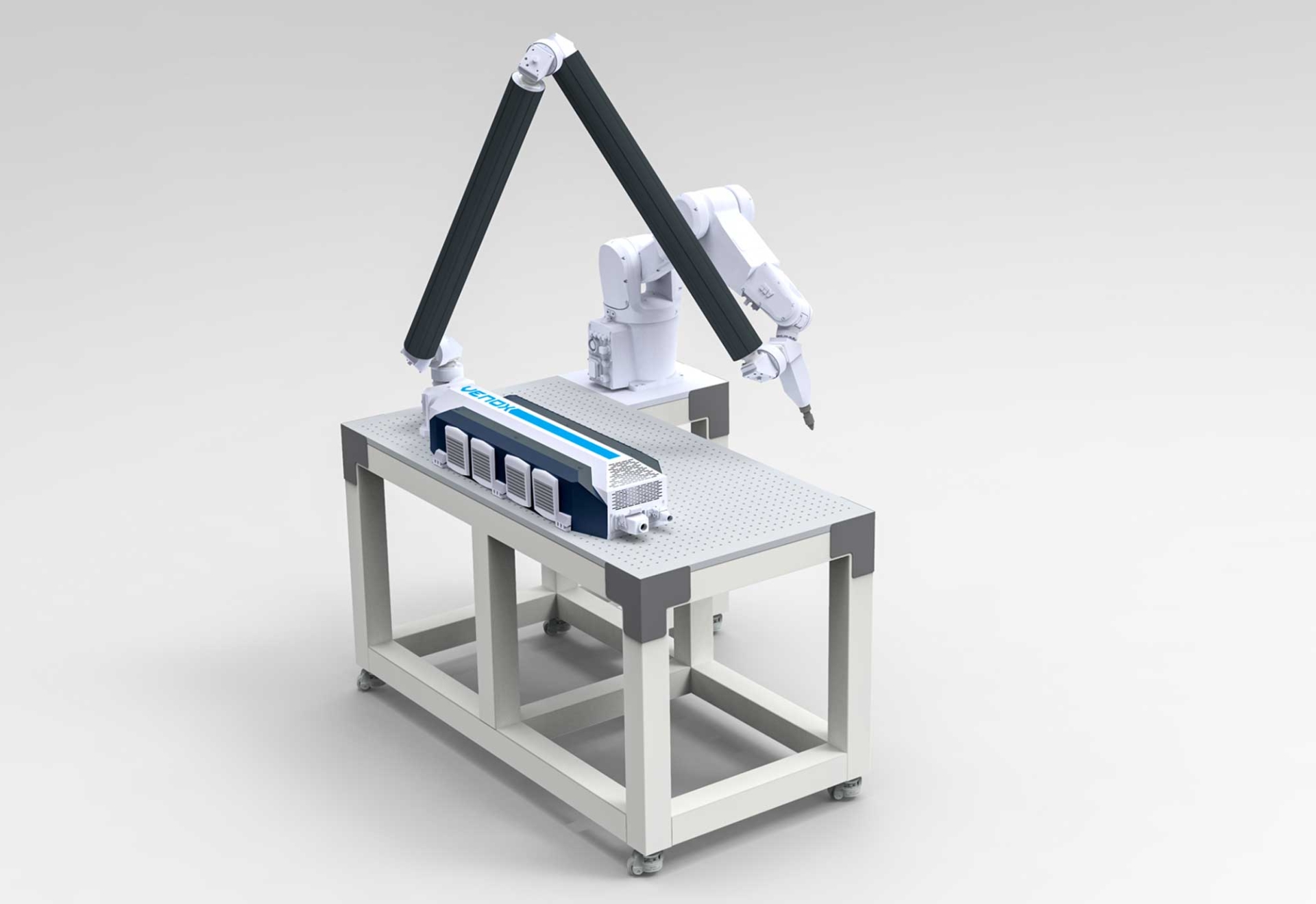
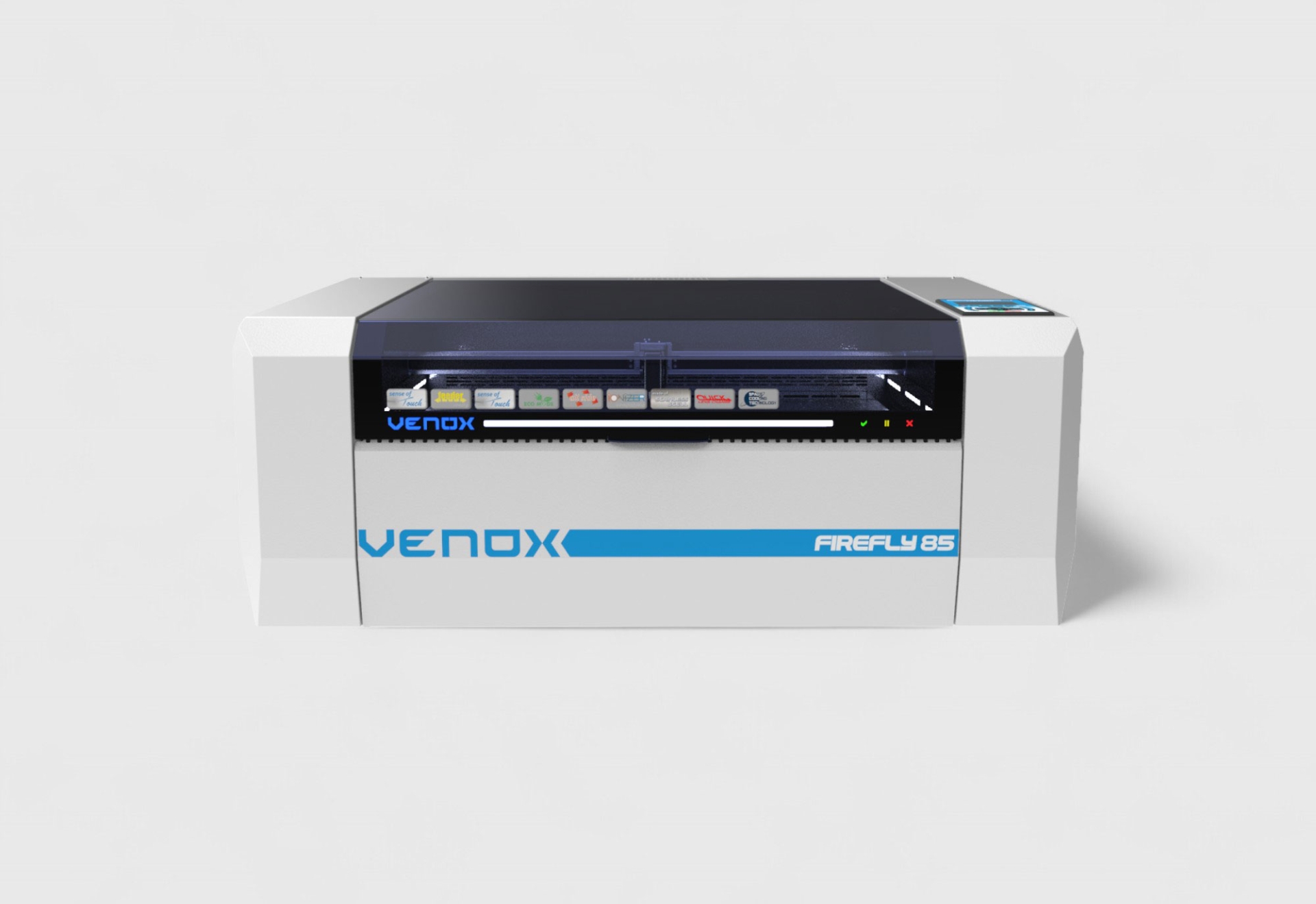
Venox offers Laser Marking Machines for permanent marking requirements on stainless steel and various metal surfaces. An appropriate system can be selected by evaluating the product's material structure, marking area, production capacity, code type, and automation requirements together.
You can benefit from Venox laser solutions to mark serial numbers, logos, QR codes, DataMatrix codes, or technical information on your stainless steel components. To evaluate a product sample, obtain information about your application, or request a quotation, you can contact the Venox team through the Contact Us page.
When the correct laser source, optical configuration, and marking parameters are selected, a laser marking machine provides a durable, precise marking solution for stainless steel surfaces that is compatible with production processes. This helps strengthen product identification, quality control, and traceability processes.
Frequently Asked Questions
Can stainless steel be laser marked?
Yes. Stainless steel is one of the metal surfaces suitable for laser marking. Serial numbers, logos, QR codes, DataMatrix codes, and technical information can be marked, particularly using fiber laser systems.
Which laser marking machine is used for stainless steel?
Fiber laser marking systems are generally preferred for stainless steel applications. However, the appropriate system should be selected according to the product structure, marking type, marking area dimensions, and production speed.
Can QR codes and DataMatrix codes be marked on stainless steel?
Yes. QR codes and DataMatrix codes can be laser marked on stainless steel surfaces. In industrial traceability applications, it is important to test the codes with the actual readers to be used.
Does laser marking physically touch the stainless steel surface?
No. Laser marking is a contactless process. The laser beam is optically focused onto the surface, and the physical marking equipment does not come into contact with the component.
Does Venox offer stainless steel marking solutions?
To explore Venox's laser marking solutions for stainless steel and other metal surfaces, you can visit the Laser Marking Machines page or contact the Venox team through the contact page.
