

Technical Criteria for Selecting Laser Marking Systems
Laser marking systems can be used in a wide range of applications, including product identification, serial numbers, QR codes, DataMatrix codes, logos, dates, and technical information marking. However, the same laser system is not suitable for every production requirement. Material type, marking area, production speed, desired contrast, automation level, and data structure are directly determining factors in system selection.
Choosing an unsuitable system may lead to problems such as insufficient marking quality, low production speed, unreadable codes, or unnecessarily high investment costs. Therefore, laser marking system selection should be based not only on equipment power but also on a comprehensive evaluation of the actual production scenario.
Technical Criteria to Consider When Selecting a Laser Marking System
The Type of Material to Be Marked Must Be Identified
The first criterion to evaluate when selecting a system is the material to be marked. Metals, plastics, glass, ceramics, wood, and other surfaces respond differently to laser beams.
Fiber laser technology is generally used for stainless steel, aluminum, and various metal surfaces, while CO2 lasers can be considered for organic and certain non-metallic materials, and UV lasers for sensitive plastic and electronic applications.
Even different alloys or additives within the same material type can change the marking result. Therefore, performing tests on actual product samples is important.
The Appropriate Laser Source Must Be Selected
Fiber, CO2, and UV laser systems operate at different wavelengths and therefore interact differently with materials. Selecting the appropriate laser source affects both marking quality and production efficiency.
- Fiber laser: Widely used for metals and certain suitable plastics.
- CO2 laser: Can be considered for wood, leather, cardboard, and various suitable organic materials.
- UV laser: Can be preferred for sensitive plastic and electronic applications where minimizing thermal impact is important.
Instead of selecting a laser source based solely on equipment price, the physical requirements of the application should be considered.
Laser Power Must Be Suitable for the Application
Laser power can affect marking speed, depth, and processing time. However, higher power does not always mean better results.
Surface marking focused on contrast and deep engraving applications have different power requirements. Excessively high power may cause unwanted thermal effects or deformation on certain surfaces.
The power level should be determined according to the material, marking depth, cycle time, and quality expectations.
Marking Area and Lens Selection Are Important
The lens used in laser marking systems affects the marking area and focusing characteristics. Marking a small product that requires fine details and marking a logo or technical information across a large surface may not require the same lens configuration.
As the marking area increases, the focusing characteristics and achievable level of detail may change. Therefore, product dimensions and the marking area must be clearly defined before investment.
If marking is required in different areas of the product, the need for a mechanical motion system or automation should also be evaluated separately.
Marking Speed Must Be Calculated According to Production Capacity
In mass production, marking time directly affects production capacity. Even if marking a single product takes only a few seconds, this time can become significant in the overall production cycle at high volumes.
Marking speed depends on the amount of data to be processed, text size, QR code density, laser power, and surface characteristics.
Therefore, measuring the actual marking time on the product provides a more accurate evaluation than relying solely on theoretical scanning speed.
Resolution and Code Readability Must Be Tested
In barcode, QR code, and DataMatrix applications, it is not sufficient for the marking to be merely visible. The code must be reliably detected by a camera or reader.
Cell size, contrast, surface roughness, and marking quality directly affect code readability. Resolution is a particularly important technical criterion for DataMatrix applications on small components.
During system selection, it is recommended to perform marking and code reading tests on the actual product.
Variable Data and Software Features Must Be Evaluated
In modern production lines, the information being marked is often not fixed. Serial numbers, dates, shift codes, lot information, or QR code content may vary from one product to another.
The marking software's capabilities, such as variable data management, automatic numbering, database connectivity, and file transfer, should be examined.
If data will be retrieved from ERP or MES systems, it is important that the software supports this integration.
Automation Integration Must Be Planned from the Beginning
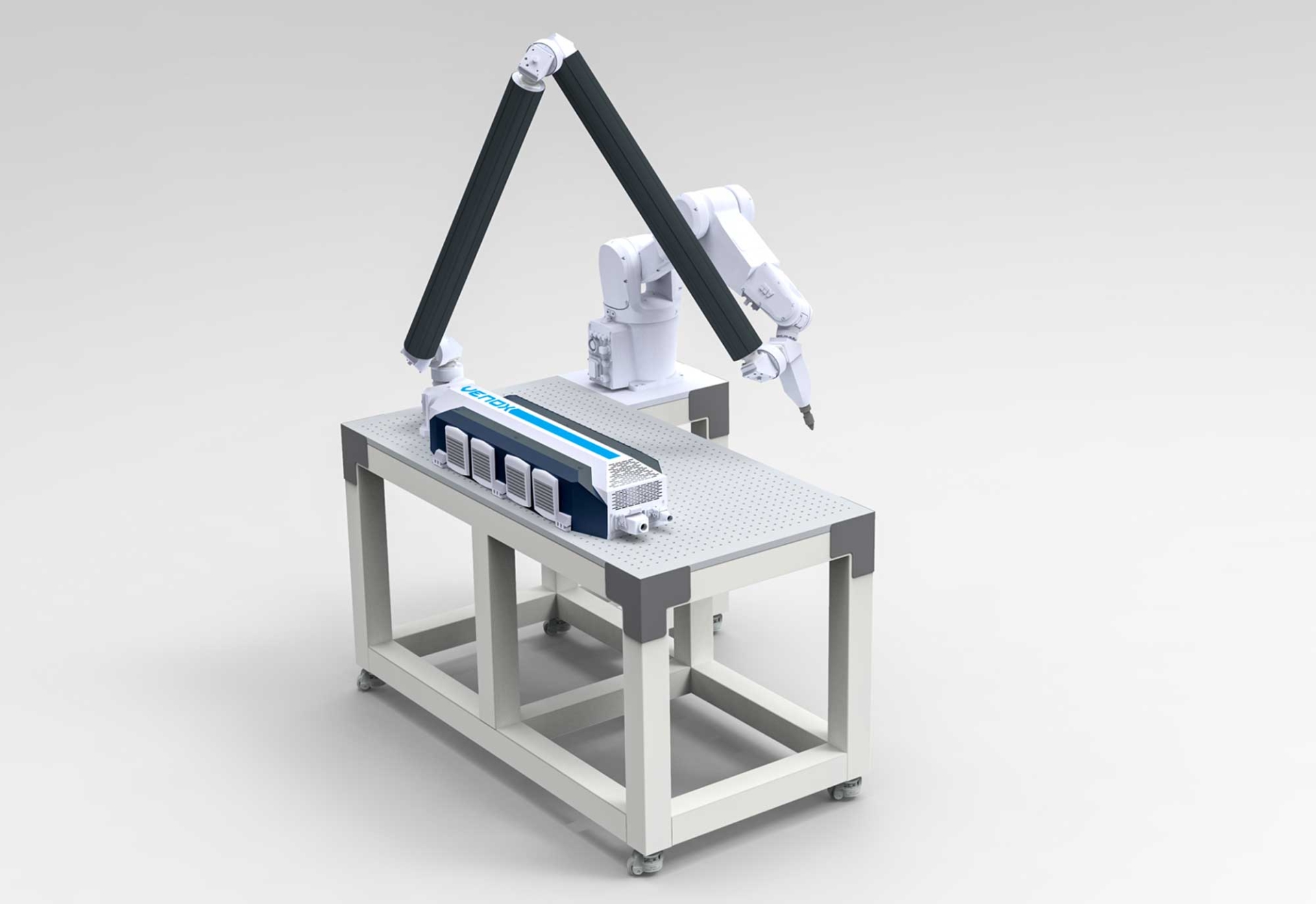
Even if a laser marking system is initially used manually, integration into an automated production line may be planned for the future. Therefore, PLC, sensor, camera, conveyor, and robot integration capabilities should be evaluated before investment.
Suitable communication interfaces and control options make it easier to expand the system in the future.
In high-volume production, automation is one of the important ways to reduce cycle times and improve data accuracy.
Safety and Working Environment Requirements Must Be Examined
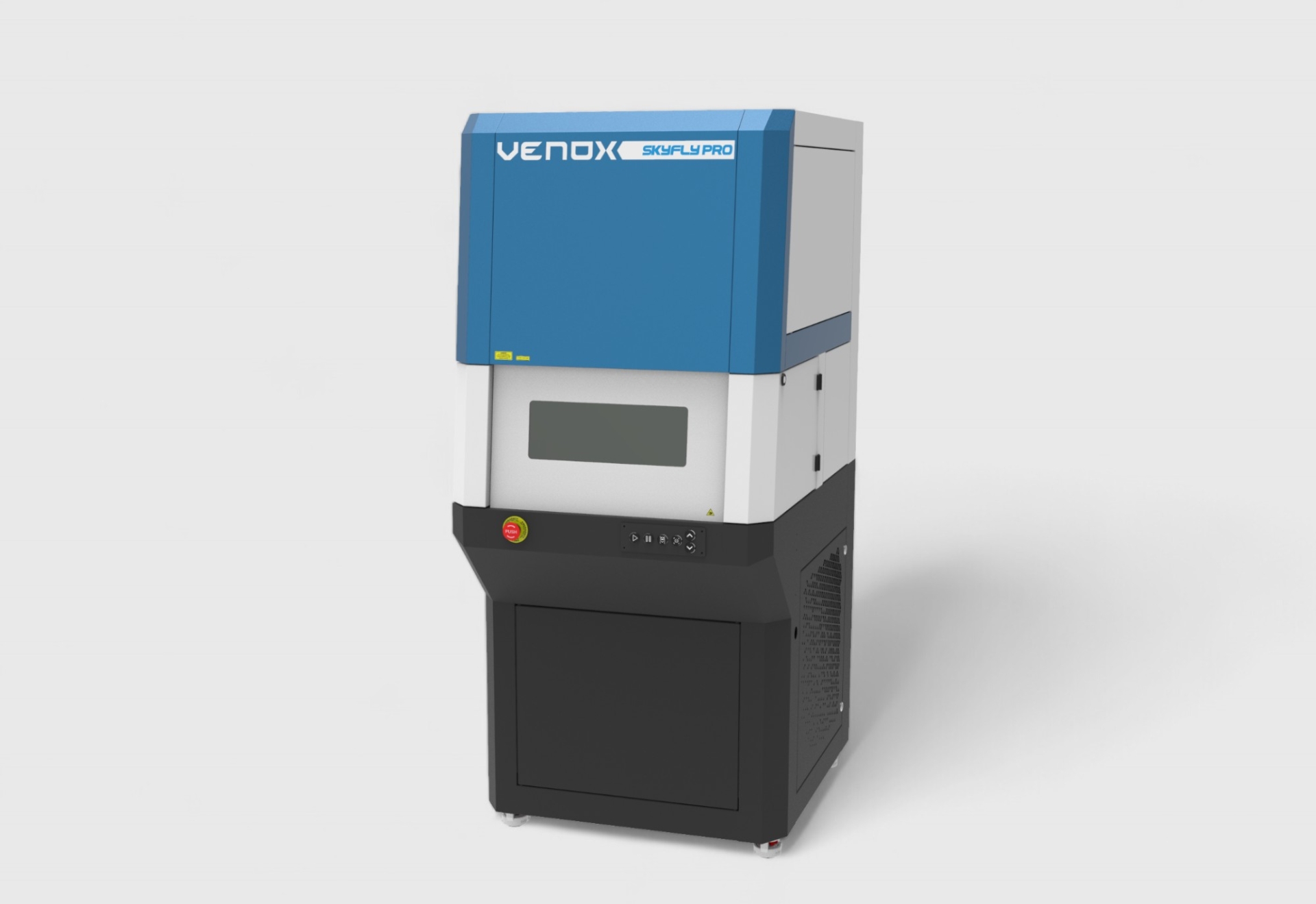
Laser systems must be properly configured to meet industrial safety requirements. Enclosed cabins, safety sensors, interlock systems, fume extraction, and appropriate protective equipment should be evaluated according to the application.
Particularly in open systems, laser safety procedures must be implemented correctly. Extracting fumes or particles that may be generated during marking is also important for the working environment.
When selecting a system, safe operating conditions must be considered alongside marking performance.
Technical Service and After-Sales Support Must Be Evaluated
An industrial laser marking system can be a critical part of a production line. If the system fails, not only the marking process but also the entire production flow may be affected.
Therefore, installation, training, maintenance, spare parts availability, and technical service capabilities are among the important criteria in system selection.
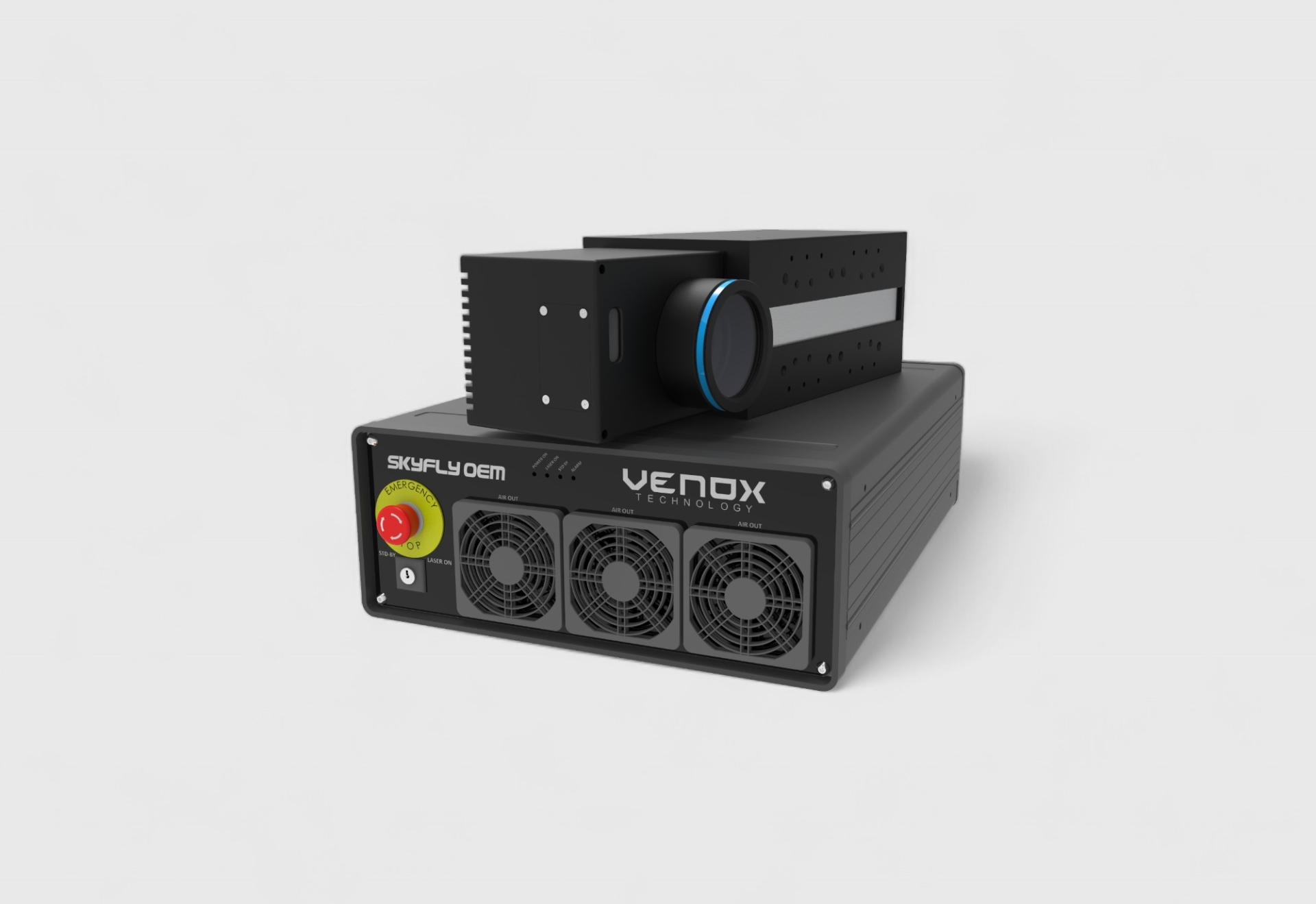
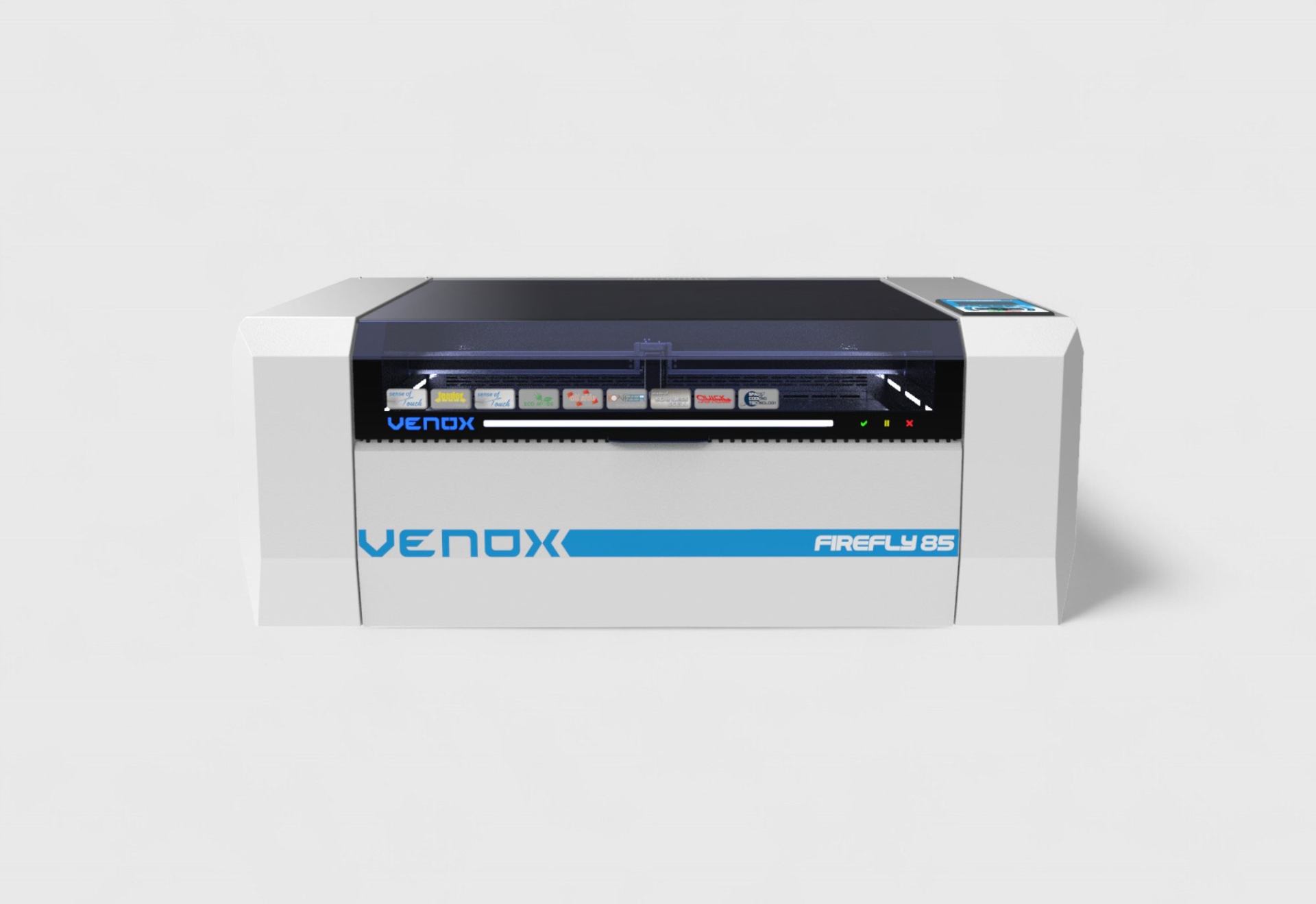
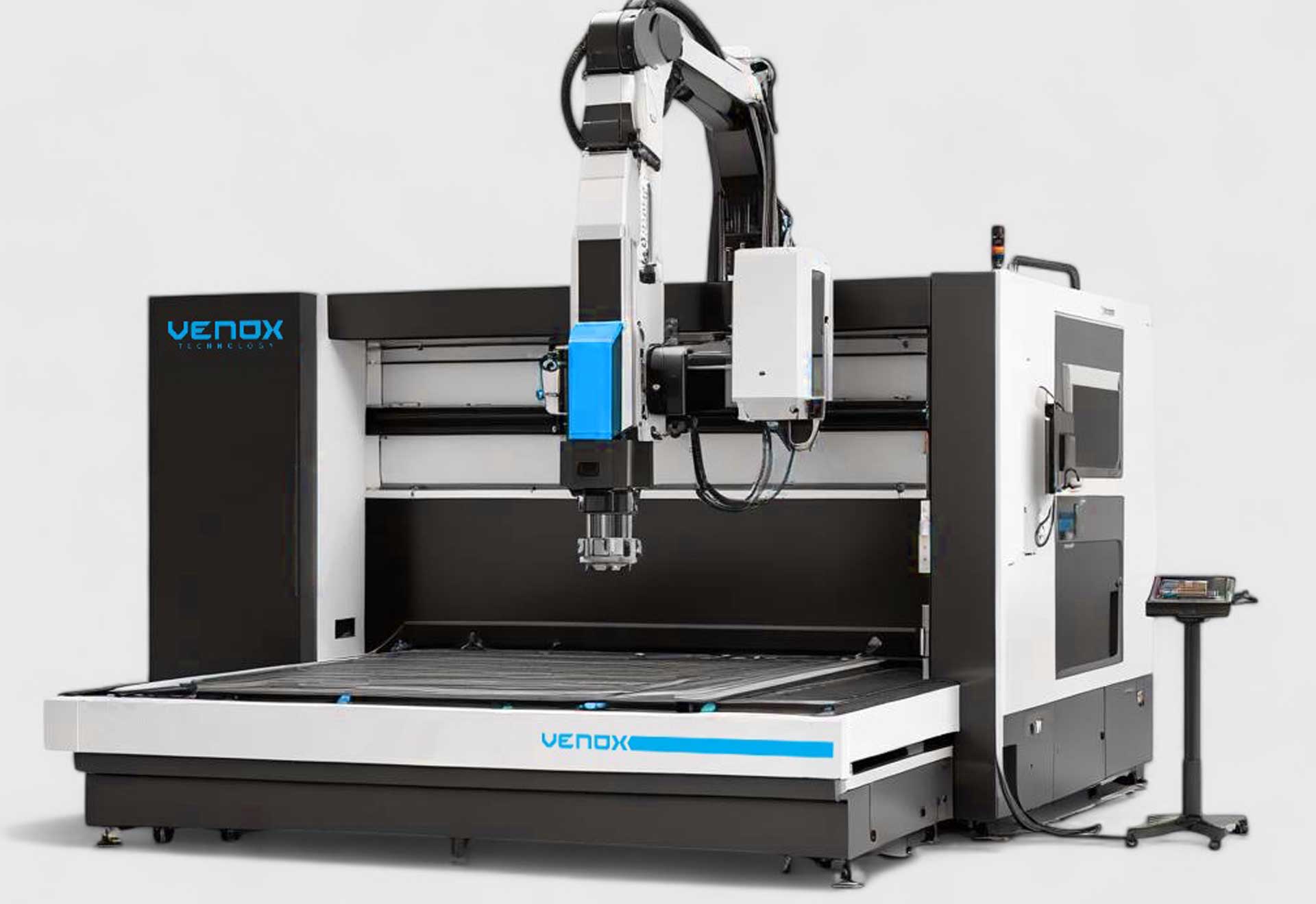
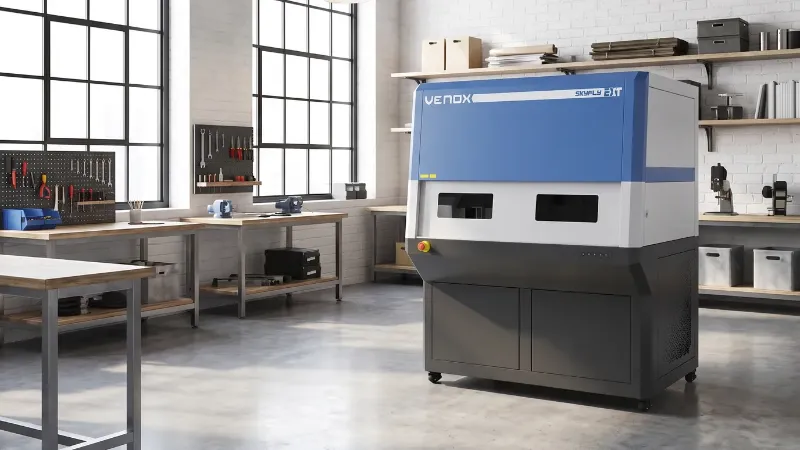
Venox offers Laser Marking Systems solutions for different applications. The appropriate system can be determined by evaluating material type, marking content, production capacity, and automation requirements together.
If you are planning a new laser marking investment or want to improve your existing system, you can contact the Venox team through the Contact Us page for sample testing, technical evaluation, and system selection.
Properly selected laser marking systems combine high marking quality, fast cycle times, reliable code readability, and automation compatibility. Therefore, investment decisions should be made by evaluating technical requirements, actual product samples, and long-term production goals together.
Frequently Asked Questions
What is the most important criterion when selecting a laser marking system?
No single criterion is sufficient. Material type, laser source, marking area, speed, quality, data structure, and automation requirements must be evaluated together.
Is higher laser power always better?
No. The required power should be determined according to the application. High power may cause unnecessary thermal effects on certain surfaces.
What should be considered for QR code marking?
Code size, cell structure, surface contrast, resolution, and reader compatibility should be evaluated together. Performing a readability test on the actual product is important.
Can a laser marking system be integrated into automation later?
Systems with suitable communication and control infrastructure can be integrated with PLCs, conveyors, sensors, cameras, and robots at a later stage.
Does Venox provide support in selecting laser marking systems?
To explore Venox's solutions, you can visit the Laser Marking Systems page or contact the Venox team through the contact page for technical evaluation and sample testing for your application.
