
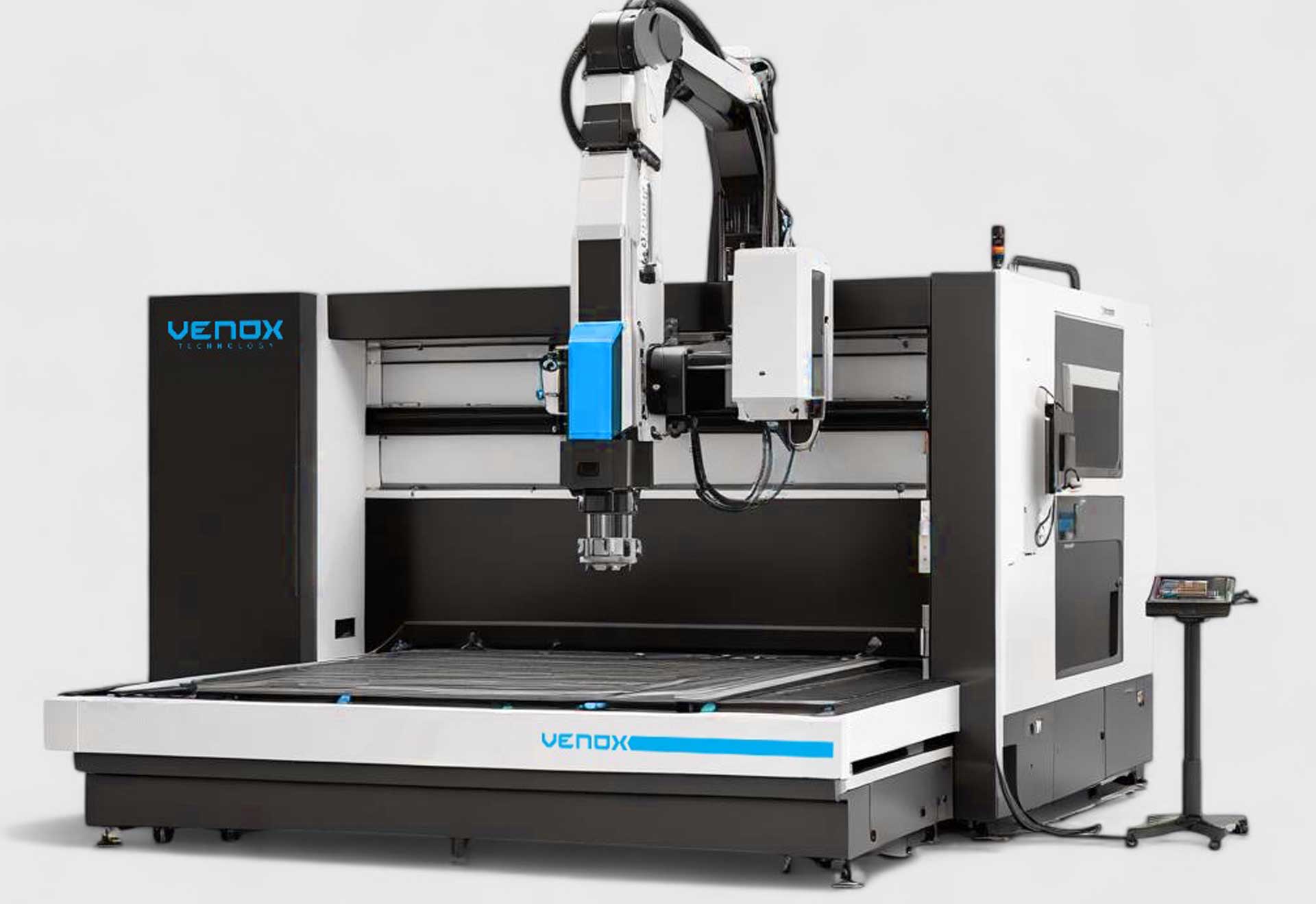


The Importance of Laser Marking Machines in Mass Production
Laser marking machines play a critical role in product identification, traceability, quality control and operational efficiency for businesses engaged in mass production. Ensuring that every product leaving the production line is marked accurately, clearly and permanently provides reliability for both the manufacturer and the end user. For this reason, laser marking technology has become one of the indispensable systems of modern industrial production.
In mass production, standardised quality is just as important as speed. Thousands of products must be marked with the same clarity, in the same position and with the same level of accuracy. Laser marking machines offer a powerful solution to this requirement thanks to their contactless operation, high precision and suitability for automation.
Why Is Marking Important in Mass Production?
In mass production, every product must have a specific identity. A serial number, batch code, production date, barcode, QR code or DataMatrix code marked on the product enables all processes from production to shipment to be tracked. With this information, it can be easily determined when a product was manufactured, on which line and within which batch.
Marking does not simply mean placing information on a product. It is also important for quality management, inventory tracking, warranty processes, counterfeit prevention and compliance with legal requirements. Therefore, the marking method used in mass production must be permanent, readable and fast.
How Do Laser Marking Machines Contribute to Mass Production?
Laser marking machines are systems capable of operating at high speeds and with repeatable quality on production lines. When correctly configured, products can be marked without stopping on the line or with minimal waiting time. This feature provides a significant advantage, particularly for businesses with high-volume production.
Since the laser marking process is computer-controlled, each product can be processed with the same level of precision. Operator errors are reduced, marking quality becomes standardised and the production process proceeds in a more controlled manner.
Provides Permanent Product Identification
In mass production, product identity is one of the most important elements of the production process. The code applied to the product must not fade, fall off or become unreadable over time. Although methods such as labels, ink or mechanical printing may be sufficient for certain applications, laser marking offers a more powerful solution for products requiring long-term durability.
Since laser marking is applied directly to the surface, it creates a permanent mark on the product. This allows the product identity to be preserved for a long period. Permanent marking is particularly important for metal parts, automotive components, medical products, electronic components and industrial equipment.
Strengthens Traceability Processes
In modern manufacturing, traceability is one of the fundamental components of quality control. Being able to quickly access historical information related to a product makes it easier to identify production errors and take the necessary actions. Laser marking machines support this process by applying permanent traceability data to the product surface.
Information such as QR codes, barcodes, DataMatrix codes, serial numbers and lot numbers can be applied directly to the product surface by laser. These codes can be used in integration with production tracking systems, warehouse management, quality control software and after-sales service processes.
Reduces Error Rates in Mass Production
Manual marking or operator-dependent applications can increase the risk of errors in mass production. Problems such as incorrect labelling, incorrect coding, unreadable printing or product mix-ups can lead to significant losses of time and cost in the production process.
Laser marking machines help reduce these errors thanks to their digitally controlled structure. Predefined marking templates, automatic serial number generation and variable data processing features enable every product to be marked with the correct information.
Adapts to Production Speed
One of the most critical issues in mass production is maintaining the speed of the production line. The marking process must not slow down the production flow or create a bottleneck. Laser marking systems can adapt to production lines thanks to their ability to operate at high speeds.
Laser marking machines equipped with galvo scanning systems can move the laser beam across the surface at very high speeds. This enables clear and readable marking to be completed in a short time. As production volumes increase, this speed advantage becomes even more important for businesses.
Reduces Consumable Costs
Traditional marking methods may require consumables such as ink, labels, ribbons, solvents or printing moulds. These materials create recurring costs and also require procurement, storage and maintenance processes.
Laser marking, however, does not require consumables in most applications. This provides a long-term cost advantage for businesses engaged in mass production. In addition, reducing the use of consumables helps create a cleaner and more sustainable working environment in the production area.
Can Be Integrated into Automation Lines
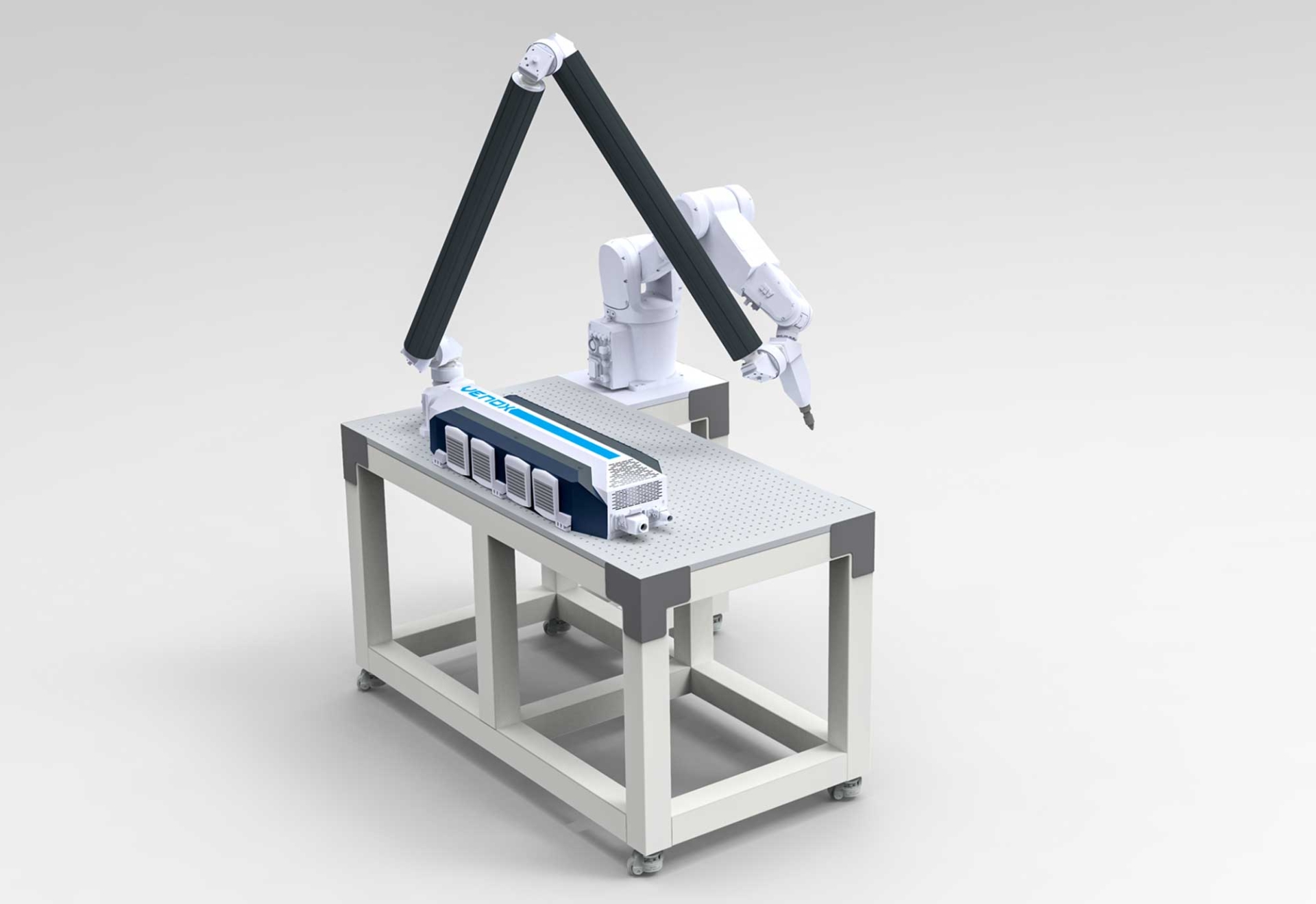
In mass production facilities, laser marking machines often operate together with conveyor systems, robotic arms, machine vision cameras, barcode readers and production tracking software. This integration enables the marking process to proceed faster and with fewer errors.
Thanks to automation integration, when a product arrives on the line, the system can detect the product, select the correct marking template and automatically perform the marking process. This reduces operator intervention and makes the production process more standardised.
Can Be Used on Different Materials
Laser marking machines can be used on different materials with the correct laser source and parameters. Marking can be performed on metal, plastic, glass, ceramic, coated surfaces and certain organic materials. This flexibility is an important advantage for businesses with different product groups.
- Applying serial numbers and part codes to metal parts
- Marking logos and technical information on plastic products
- Precision coding in small areas on electronic components
- Applying production dates and batch codes to packaging parts
- Creating traceability information on medical products
Supports Quality Control Processes
In mass production, quality control is not limited to examining the physical properties of the product. Ensuring that the correct information is present on the product, codes are readable and marking is performed in compliance with standards is also part of the quality process.
Laser marking machines support quality control processes by providing high repeatability. Every product can be marked in the same format and in the same position. In addition, data such as barcodes and QR codes can be checked with readers to perform verification directly on the production line.
Enhances Brand Reliability
Clear, permanent and professional marking on a product strengthens brand perception. Faded, detached or unreadable labels can create a negative impression regarding product quality. Laser marking provides a clean and long-lasting appearance directly on the product.
Particularly for technical products, medical equipment, automotive parts and industrial components, the quality of the marking is directly associated with the overall reliability of the product. Therefore, for businesses engaged in mass production, laser marking is not only a technical solution but also an indicator of corporate quality.
Points to Consider for Laser Marking in Mass Production
For a laser marking system to operate efficiently in mass production, the application must be correctly analysed beforehand. The material of the product to be marked, production line speed, marking area, code type, readability requirements and automation integration must be evaluated together.
- The material type of the product to be marked must be determined.
- Production line speed and daily production quantity must be calculated.
- The marking area and code size must be planned correctly.
- Requirements for QR codes, barcodes or serial numbers must be clarified.
- The need for automation integration must be analysed.
- Readability and quality must be checked through test marking.
Mass Production Solutions with Venox Laser Marking Machines
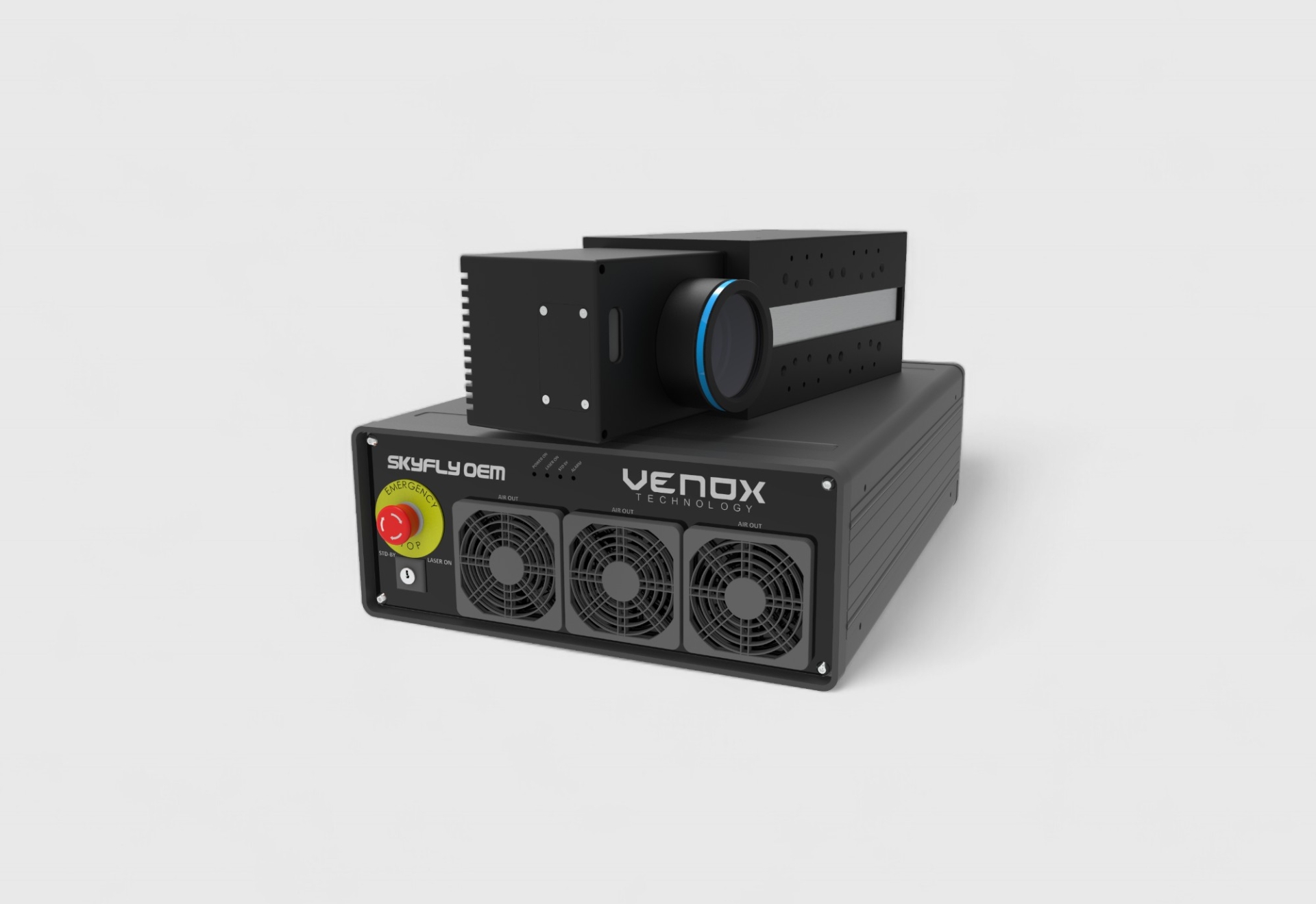
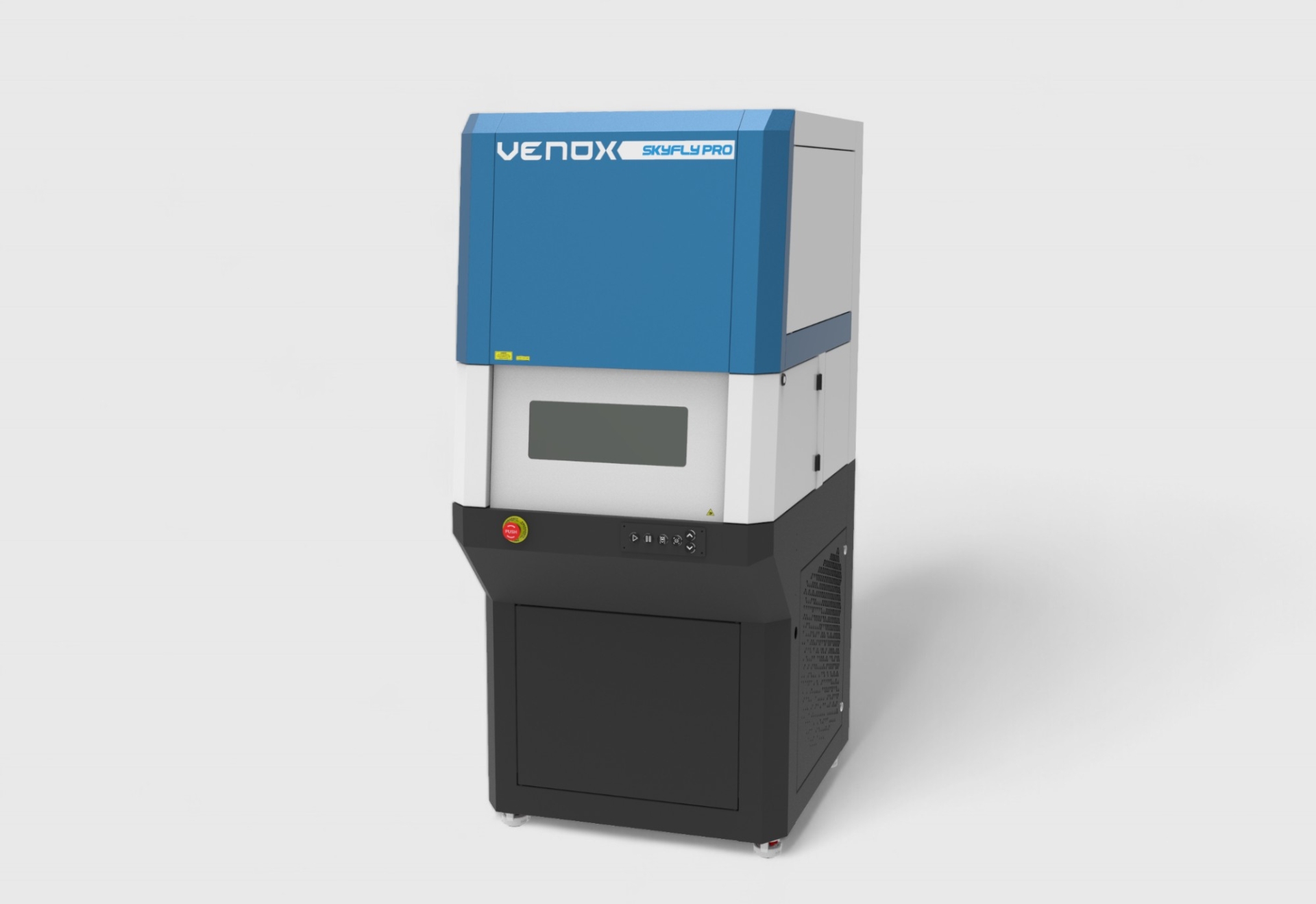
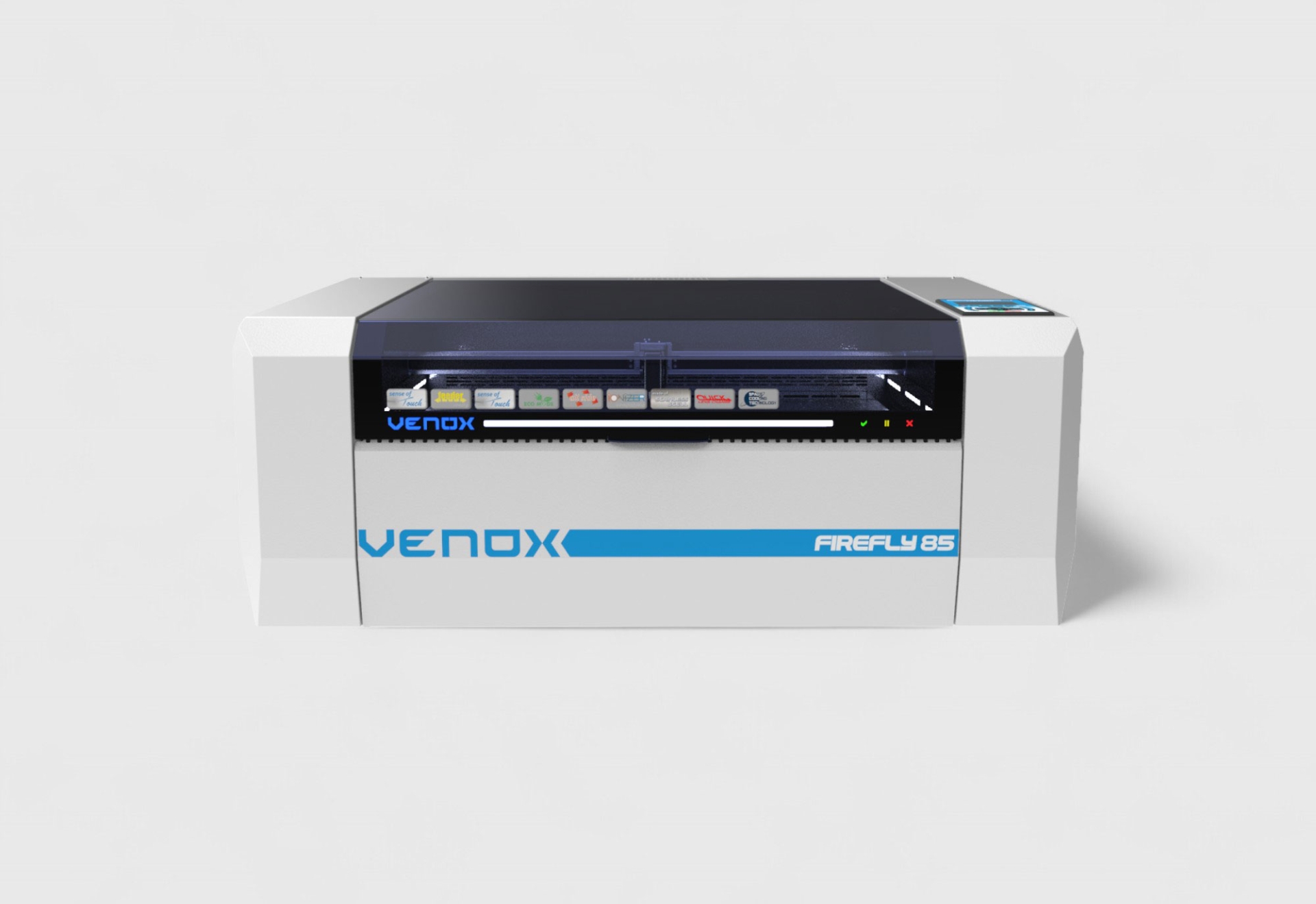
Venox offers permanent, fast and reliable marking solutions with Laser Marking Machines designed to meet the needs of businesses engaged in mass production. The right solution can be determined by evaluating system selection for your production line, material analysis, marking requirements and capacity needs together.
You can benefit from Venox laser technologies to strengthen product identification, traceability and quality control structures in your production processes. For customised solutions, product evaluations or quotation requests, you can contact the Venox team through the Contact Us page.
Conclusion: Laser Marking Is a Strategic Investment in Mass Production
Laser marking machines are powerful systems that provide speed, quality, permanence and traceability in mass production. Thanks to permanent marking applied directly to the product, businesses can strengthen quality control processes, reduce error rates and make production tracking more reliable.
Thanks to its consumable-free structure, compatibility with automation lines and high-speed operation, laser marking technology is a strategic investment that provides long-term efficiency for businesses engaged in mass production.
Frequently Asked Questions
Are laser marking machines suitable for mass production?
Yes. Laser marking machines can operate at high speeds and can be integrated into automation lines. Therefore, they are suitable for businesses engaged in mass production.
Why is laser marking preferred in mass production?
Laser marking is preferred in mass production because it provides permanent marking, high speed, low error rates, does not require consumables and supports traceability.
Can laser marking machines be integrated into a production line?
Yes. Laser marking machines can operate in integration with conveyor systems, robotic lines, barcode readers and production tracking software.
What information can be laser marked in mass production?
Serial numbers, batch codes, production dates, barcodes, QR codes, DataMatrix codes, logos, model information and technical symbols can be marked onto product surfaces using laser technology.
Does Venox offer laser marking solutions for mass production?
For information about Venox’s laser marking solutions suitable for mass production, you can visit the Laser Marking Machines page or contact the Venox team through the contact page.
