

The most common mistakes when choosing a laser marking machine are often not noticed on the first day of the investment; however, after production begins, they appear as quality loss, speed problems, integration difficulties, or unnecessary costs. Therefore, a wrong choice does not only create a technical incompatibility, but may also affect the company’s time, budget, and customer trust. This risk is especially higher for companies making this investment for the first time. Because many businesses approach the selection process only based on price, wattage, or the appearance of the device, and do not clarify their real needs sufficiently.
However, laser marking systems are not standard products that should be evaluated in the same way for every production environment. The surface to be marked, the type of data to be processed, production speed, quality expectations, automation needs, service support, and long-term growth plans should be considered together. Content such as serial numbers, barcodes, QR codes, DataMatrix codes, technical data, logos, and lot information may each create different expectations. Likewise, the correct solution approach may vary for metal, plastic, coated surfaces, or sensitive electronic components. Therefore, choosing the right system does not only mean purchasing a device; it means establishing the right application.
The topic of “the most common mistakes when choosing a laser marking machine” is especially important in sectors such as automotive, medical, electronics, machine manufacturing, subcontracting industry, white goods, and metal processing. Because in these fields, marking is not only about writing text; it means building a quality assurance and traceability infrastructure. In this article, we will discuss the most common mistakes made during the selection process, why they create problems, and what should be considered in order to make a more accurate decision.
The Most Common Mistakes in Laser Marking Machine Selection
Many mistakes may seem logical at first glance. However, after production begins, the shortcomings of these decisions become clear. The most common mistakes generally result from insufficient needs analysis.
1. Focusing only on price
The most common mistake is making the entire decision based solely on the initial purchase price. However, a system that appears low-cost may become more expensive in the long term due to low speed, insufficient quality, weak service support, or integration problems. Therefore, although price is important, it should not be the only criterion. The total cost of ownership should be considered.
2. Choosing without clearly analyzing the material type
Choosing a machine without determining which surface will be marked is a serious risk. Stainless steel, aluminum, plastic, coated metal, or technical components behave differently. If the surface is not analyzed correctly, the desired contrast, readability, and permanence may not be achieved. Therefore, the first step in system selection is material analysis.
3. Underestimating the type of data to be processed
A simple logo and a variable serial number, QR code, or DataMatrix code are not the same requirement. Some companies think only, “we will write on the product”; however, variable data, camera verification, or traceability expectations may come into play later. Therefore, the data structure should be clarified from the beginning.
4. Not taking production speed into account
If the laser marking machine cannot keep up with the pace of the line, serious productivity loss may occur. Especially in mass production, the marking stage may create a bottleneck. Therefore, daily production quantity, cycle time, and line speed should be evaluated as early as the quotation stage.
5. Considering integration needs later
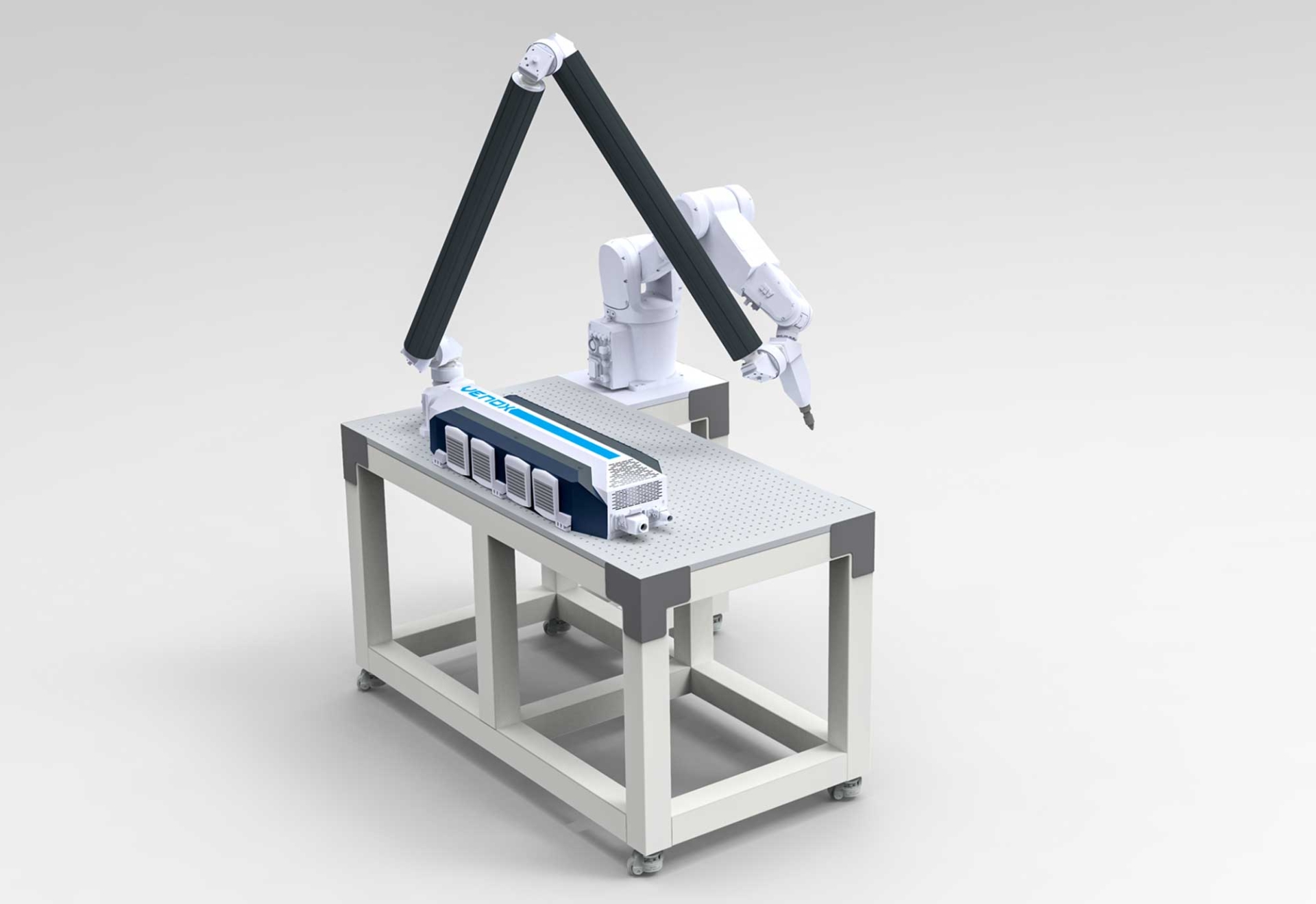
Whether the system will be used independently or on an automation line should be determined from the start. If there is a requirement to work with sensors, PLCs, conveyors, ERP, MES, or camera systems, this need should be defined at the beginning. Adding integration later may make both the cost and the process more difficult.
6. Deciding without requesting a sample test
Making a decision based only on a brochure or verbal explanation without testing on the actual product is a major mistake. A sample study allows contrast, speed, aesthetic quality, and readability to be seen on the real part. When this step is skipped, the possibility of encountering surprises increases.
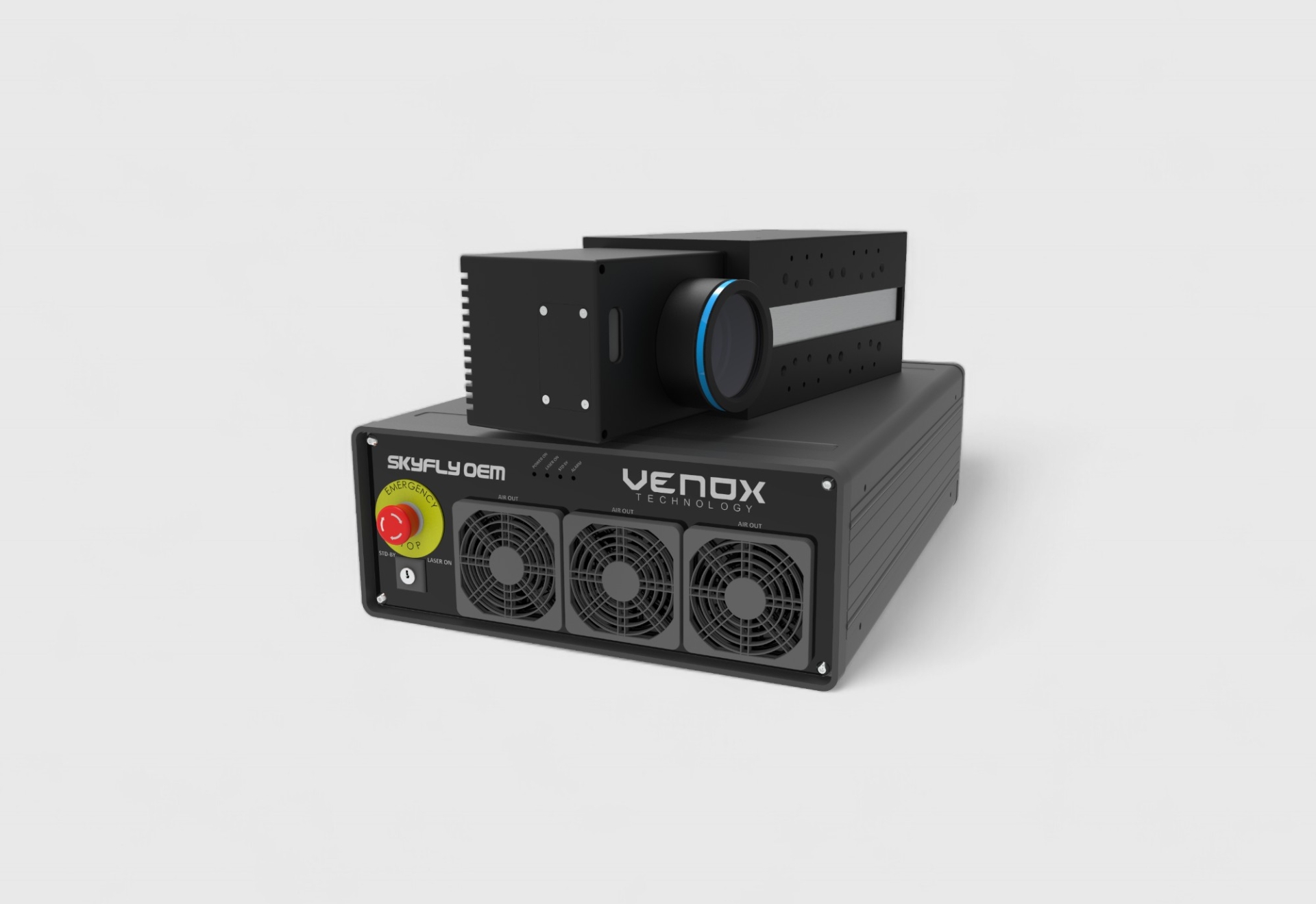
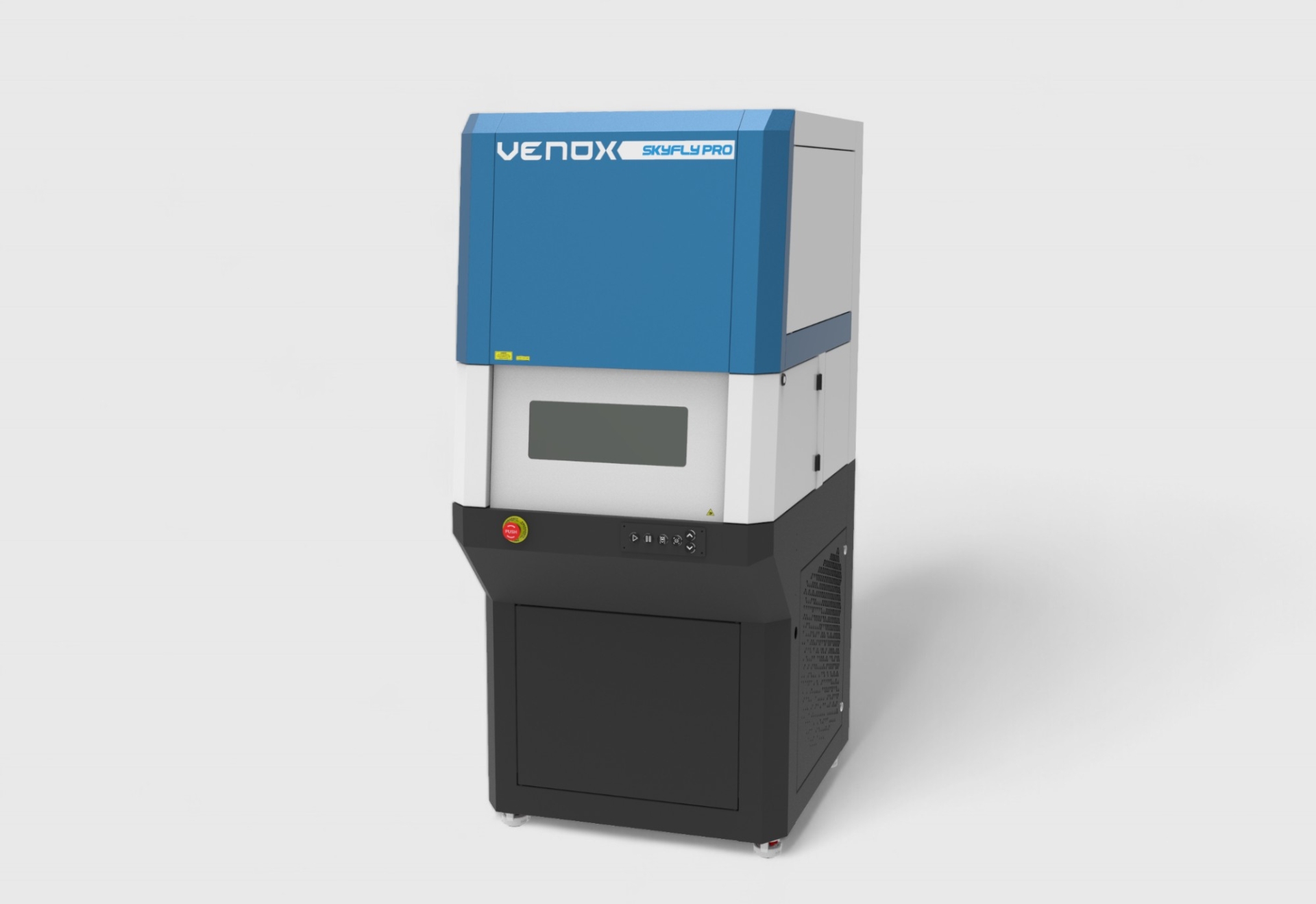
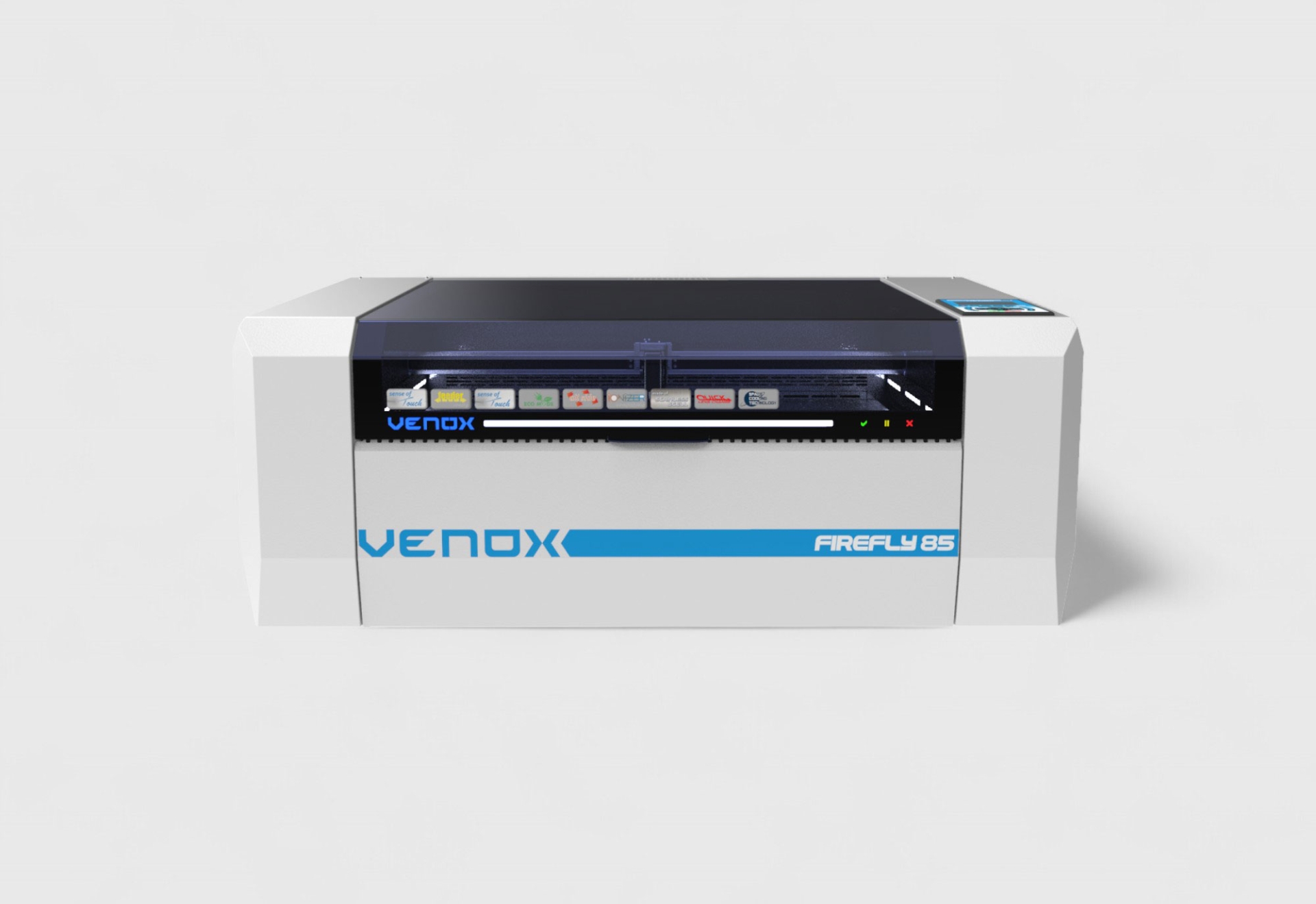
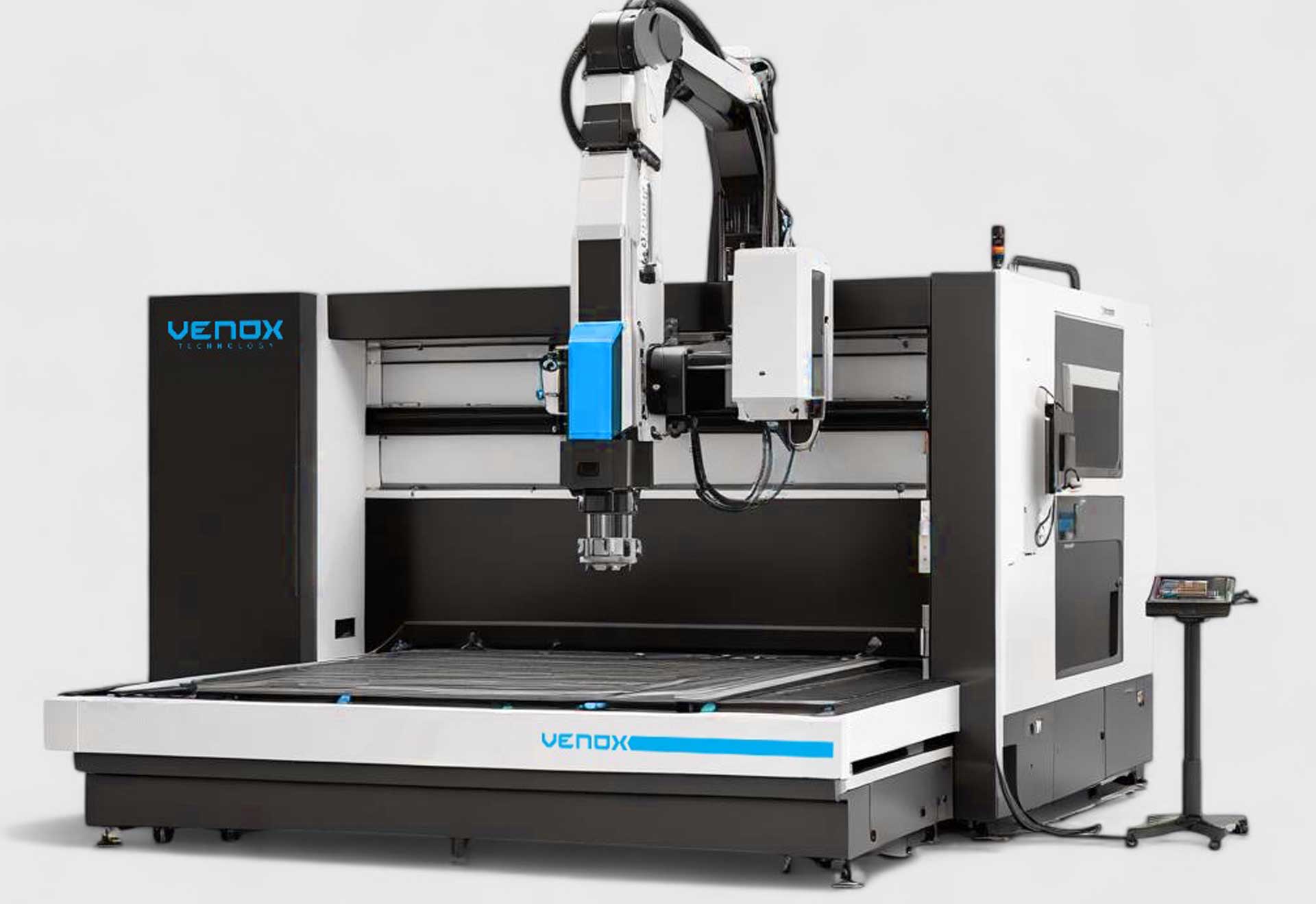
To review solutions suitable for different applications, you can visit the laser marking machines page, and for more comprehensive installation structures, you can take a look at the laser marking systems page.
What Should Be Considered to Avoid These Mistakes?
The way to avoid mistakes is to manage the decision process more systematically. When the right questions are asked and the need is clearly defined, the risk of making the wrong investment is significantly reduced.
7. The needs analysis should be documented in writing
The surfaces to be marked, data types, production quantities, quality expectations, and integration needs should be clearly defined in writing. This ensures that internal teams speak the same language and that a more accurate quotation can be obtained from the supplier.
8. It is necessary to consider not only today, but also the future
A system that processes only fixed data may seem sufficient today; however, a need for variable data or automation may arise a few months later. Therefore, growth and possible changes should also be taken into account when selecting the system.
9. Service and technical support must definitely be questioned
How quickly a system receives support when a problem occurs is just as important as how good the system is. Service structure, response time, training support, and access to spare parts must definitely be included among the selection criteria.
10. Avoid focusing too much on wattage
Many companies automatically assume that higher wattage means better performance. However, the right wattage becomes meaningful only with the right application. Making a decision based only on wattage without evaluating the surface type, data structure, and speed requirement can be misleading.
11. Operator ease of use should be considered
The machine may be very powerful; however, if it is difficult to use, efficiency in the field may decrease. Recipe management, data recall, daily use, and basic control processes should be practical for the operator.
12. References and experience in similar applications should be requested
If the supplier has experience in your sector or with similar surfaces, the likelihood of offering the right solution increases. Therefore, similar application examples and references should definitely be evaluated.
13. The total cost of ownership should be calculated
Installation, training, integration, service, maintenance, and possible downtime costs should be considered together. Looking only at the device price is an incomplete evaluation. It is healthier to look at the long-term picture.
14. The right choice starts with the right questions
As a result, wrong choices usually stem not from wrong questions, but from questions that are never asked. When the need is clarified, testing is performed, and the scope of the quotation is read correctly, a much safer investment can be made. This prevents both time and budget losses.
The most common mistakes when choosing a laser marking machine are focusing only on price, not analyzing the material sufficiently, underestimating the data structure, not taking production speed into account, and deciding without performing a sample test. To avoid these mistakes, needs analysis, service evaluation, and real application testing must definitely be carried out. If you want to evaluate the most suitable solution for your business, you can review fiber laser marking solutions or receive expert advice directly through the contact page.
