

Traceability in Production with Laser Marking Systems
Laser marking systems are among the key technologies that enable permanent product identification and tracking throughout the manufacturing process. Serial numbers, barcodes, QR codes, DataMatrix codes, production dates, lot information, and technical data can be marked directly on product surfaces, establishing a connection between the physical product and its digital production record.
In modern manufacturing facilities, traceability means more than simply knowing when a product was manufactured. It also enables tracking of the batch to which the product belongs, the production line it passed through, quality control results, shipping information, and, when necessary, service history. Therefore, laser marking systems have become an important part of traceability infrastructure.
How Do Laser Marking Systems Enable Traceability in Production?
Serial Numbers Provide Unique Identification for Every Product
The foundation of traceability is the ability to uniquely identify each product. Even if thousands of products manufactured in the same model or batch appear identical, each product can be assigned a different serial number.
A laser marking system can permanently mark the serial number on the product surface. When this number is linked to the corresponding product record in production software, an ERP system, or a database, each component can be tracked individually.
The use of serial numbers provides significant advantages, particularly in warranty, service, quality control, and product recall processes.
QR Codes Connect Physical Products to Digital Data
QR codes can be used to establish a quick connection between products and digital information. When a QR code laser-marked on a product is scanned, technical documents, production records, product information, or other digital content can be accessed.
Marking the QR code directly on the product surface can reduce risks such as labels detaching or printed information fading over time. This makes access to digital information more sustainable throughout the product lifecycle.
In QR code applications, code size, surface contrast, and the reader system to be used should be evaluated together.
Traceability of Small Components with DataMatrix Codes
DataMatrix codes are widely used in industrial traceability applications because they can store a large amount of data within a small area. They provide significant advantages, particularly for identifying small metal and plastic components.
In industries such as automotive, electronics, medical devices, and defense, DataMatrix codes can be used to link product identities with production records.
To ensure reliable readability of laser-marked DataMatrix codes, cell size, contrast, and marking quality should be tested.
Barcodes Enable Tracking of Warehouse and Shipping Processes
Barcodes can be used not only on production lines but also in warehousing and logistics processes. By scanning a barcode marked on a product, inventory movements, shipping information, and order matching can be monitored.
This structure helps reduce incorrect product shipments, particularly in businesses with a wide variety of products.
Since barcodes must remain intact throughout the production process, permanent laser marking can provide significant advantages on suitable surfaces.
Production Stages Can Be Recorded Digitally
A traceability system can record not only the starting and ending points of a product but also the intermediate stages of the manufacturing process. By scanning the code on the product at different stations, its production history can be created step by step.
For example, the sequence in which a product passes through cutting, assembly, quality control, and packaging stations can be recorded. This makes it easier to retrospectively analyze problems that occur during production.
This approach makes quality management more data-driven.
Quality Control Results Can Be Linked to Products
The unique product identity created through laser marking allows quality control results to be associated with the correct product. Measurement results, test data, or inspection approvals can be linked to digital records through the serial number.
If a problem is detected in a product at a later stage, its quality control history can be accessed quickly. This makes it easier to evaluate which production conditions may be associated with the problem.
This structure provides significant advantages, particularly in industries requiring high quality standards.
Integration with ERP, MES, and Production Software
With an appropriate integration structure, laser marking systems can receive information from ERP, MES, PLC, or other production data systems. This allows marking data to be transferred automatically by the system instead of being entered manually by an operator.
For example, a serial number, lot information, or customer code associated with a production order can be retrieved from a database and sent directly to the marking area.
This approach helps reduce errors caused by manual data entry and accelerates the production flow.
Automatic Code Verification Can Be Performed
After the marking process is completed, a camera or code reader system can inspect the barcode, QR code, or DataMatrix code on the product.
If the code is unreadable, contains incorrect data, or has been marked improperly, the system can reject the product or alert the operator. This helps prevent incorrectly coded products from proceeding to subsequent production stages.
Automatic verification is an important control step for ensuring the reliability of the traceability chain.
What Should Be Considered When Establishing a Traceability System?
For a successful traceability system, simply marking a code on the product is not sufficient. The code structure, data flow, and reader systems must be planned together.
- A unique identification structure should be defined for each product.
- The use of serial numbers, QR codes, or DataMatrix codes should be planned.
- The material and surface to be marked should be analyzed.
- Code size and contrast should be compatible with the reader system.
- ERP, MES, or database connectivity should be evaluated.
- Camera and reader integration should be tested.
- The production stages at which data will be recorded should be determined.
- Infrastructure for historical queries and reporting should be planned.
- Marking and readability tests should be performed on the actual product.
When these factors are evaluated together, a more reliable connection can be established between the physical product and its digital production record.
Traceability with Venox Laser Marking Systems
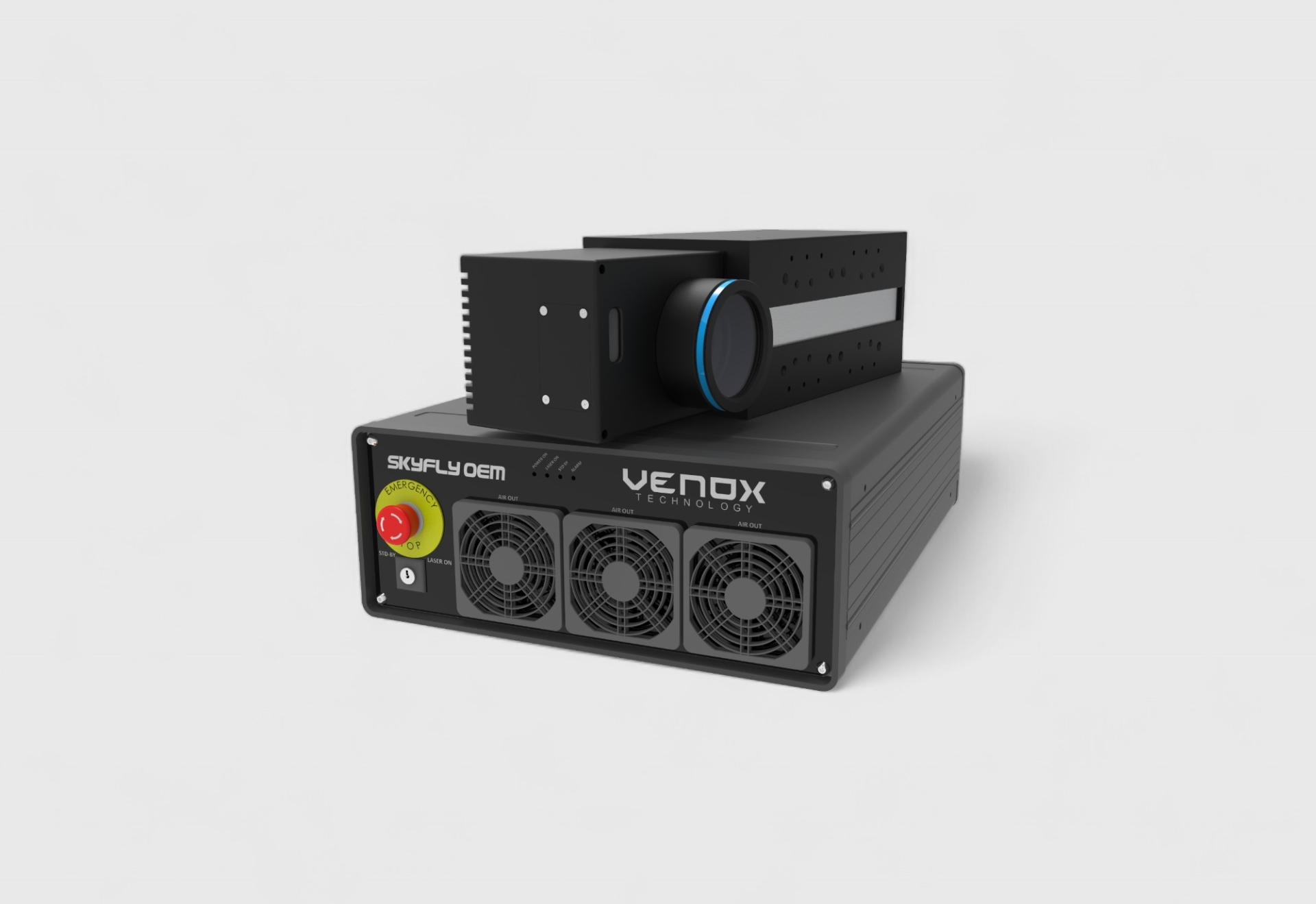
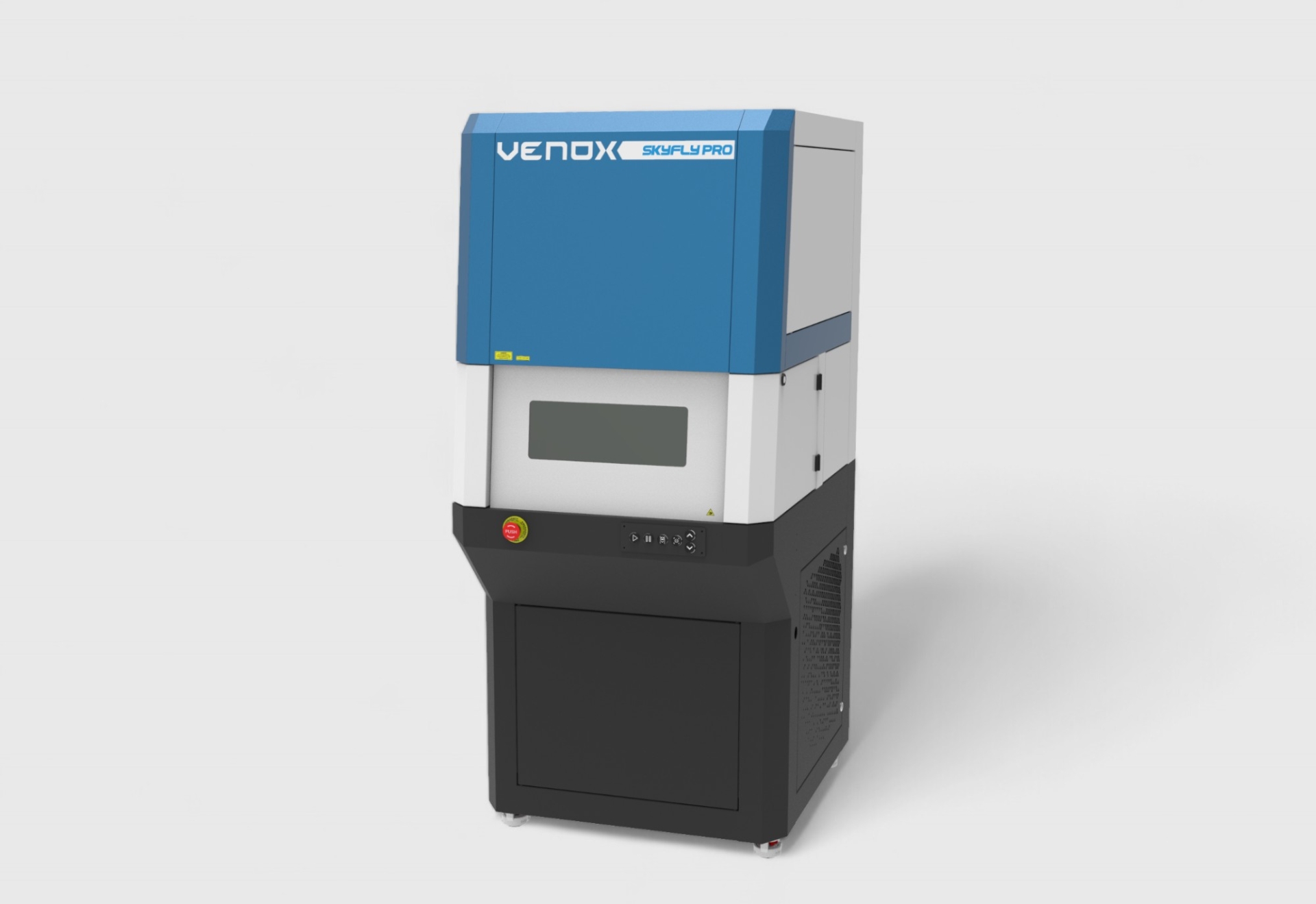
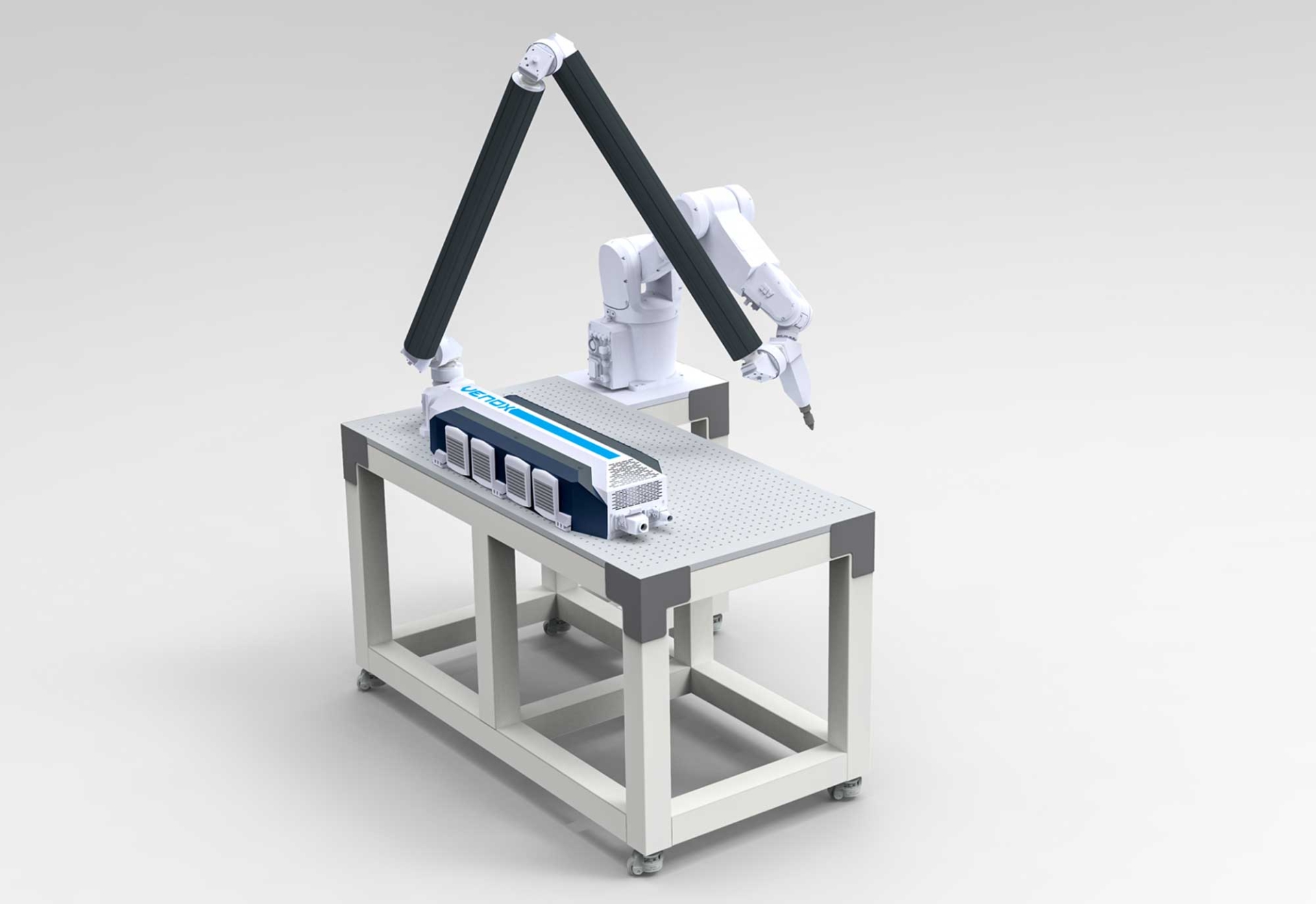
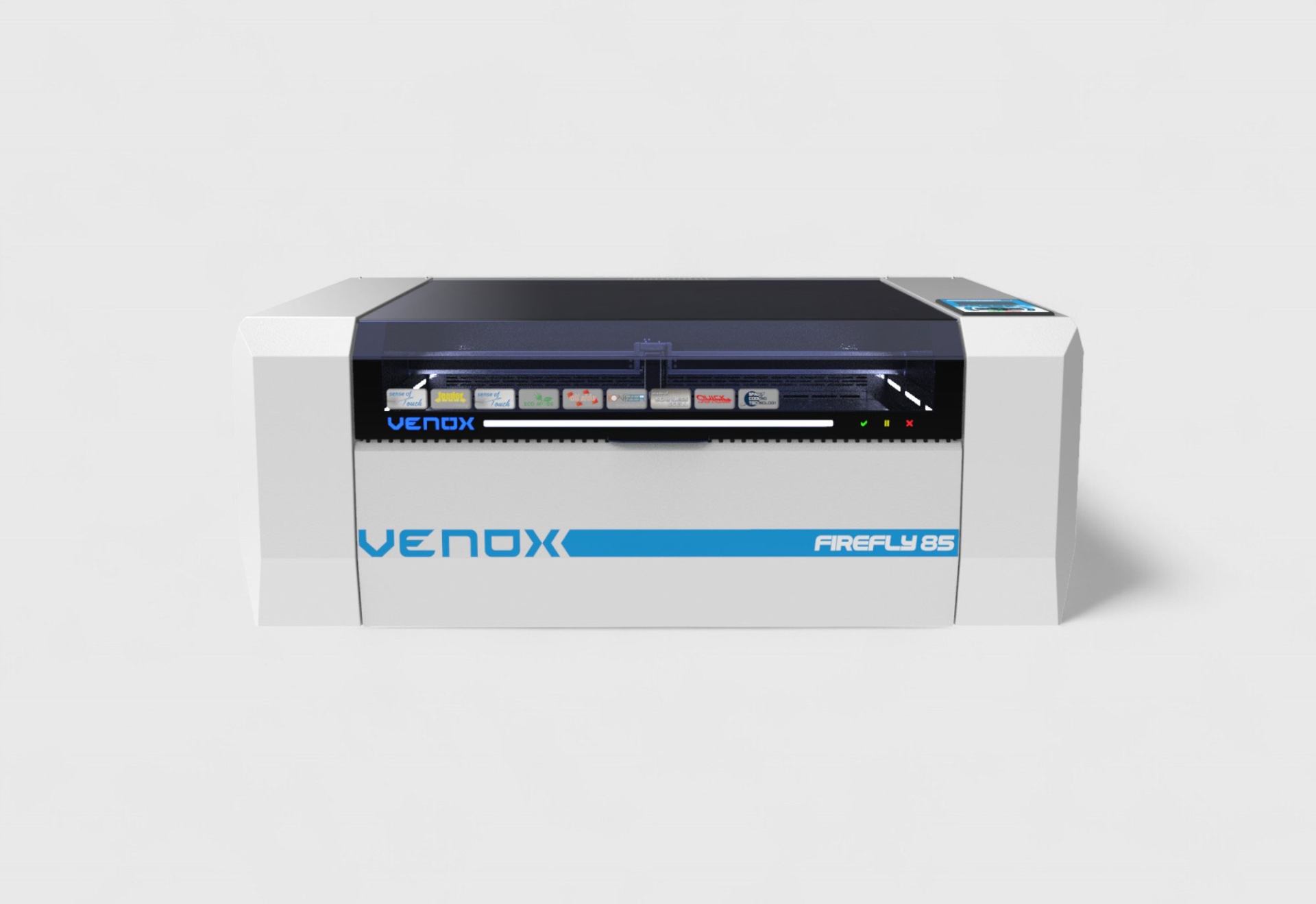
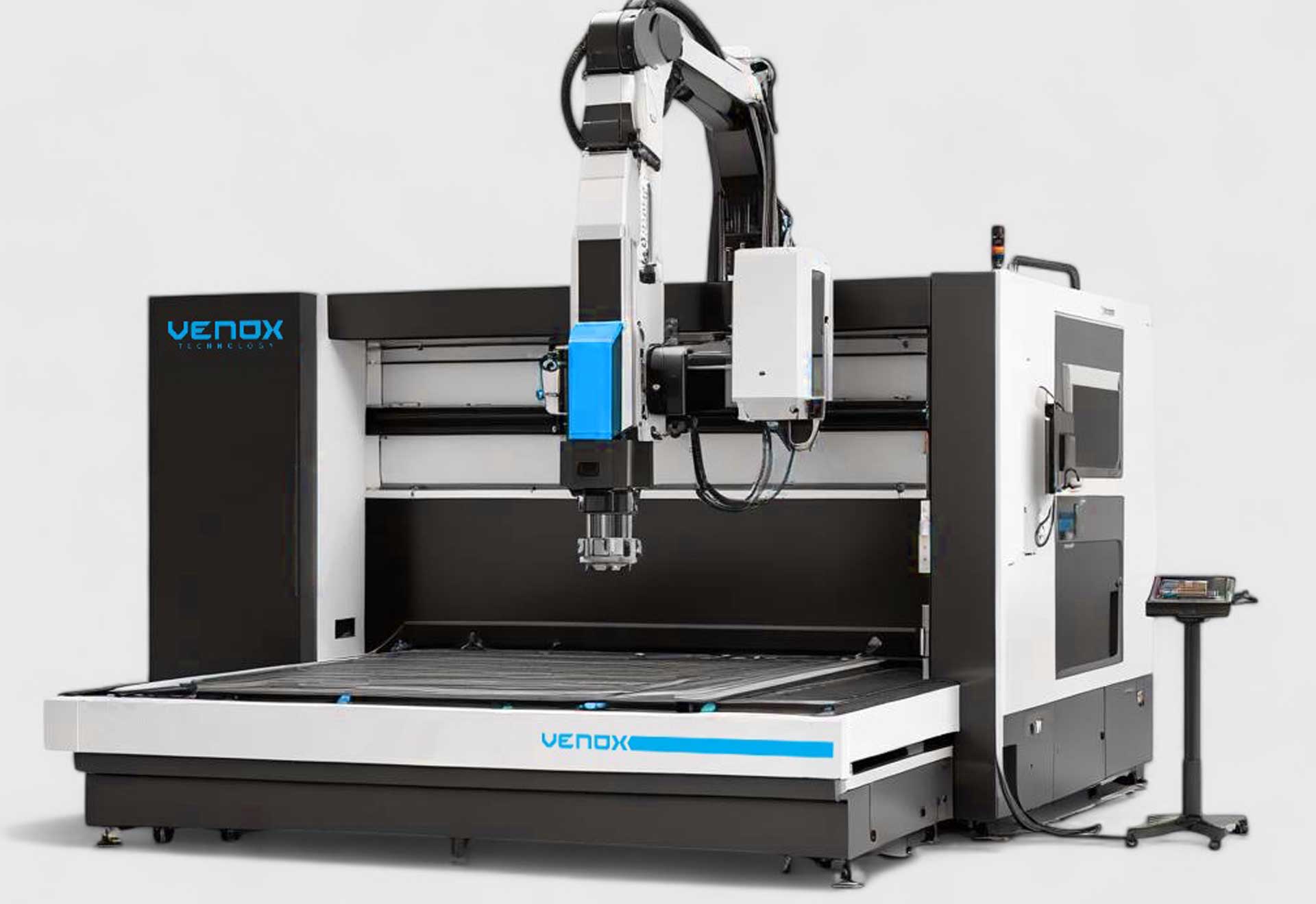
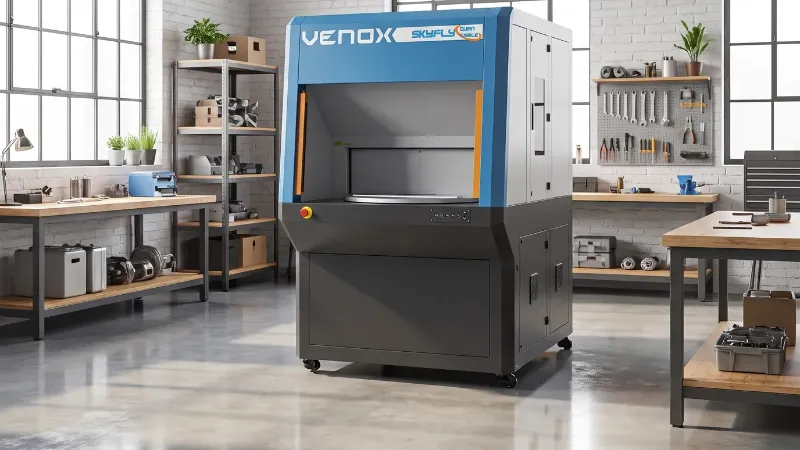
Venox offers Laser Marking Systems designed to meet product identification and production tracking requirements. The appropriate system can be determined by evaluating product material, marking content, production capacity, code type, and automation requirements together.
To track your products from production to shipment using serial numbers, barcodes, QR codes, or DataMatrix codes and improve your traceability infrastructure, you can discuss your application with the Venox team. For sample testing, technical evaluation, or quotations, you can contact us through the Contact Us page.
Properly configured laser marking systems create a stronger traceability infrastructure by linking a product's physical identity with digital production data. This structure helps manage production, quality control, warehousing, shipping, and after-sales processes in a more controlled manner.
Frequently Asked Questions
How does laser marking enable traceability in production?
A unique serial number, QR code, barcode, or DataMatrix code is marked on the product and linked to its digital production record. This allows the product to be tracked through different production stages.
Should QR codes or DataMatrix codes be used for traceability?
The choice should be based on product size, data requirements, and the reader system. DataMatrix codes can provide advantages for small industrial components, while QR codes may be more suitable for applications requiring different types of digital redirection.
Can a laser marking system work with ERP or MES?
With an appropriate integration structure, a laser marking system can receive marking data from ERP, MES, PLC, and various databases.
Can marked codes be verified automatically?
Yes. Camera or barcode reader systems can automatically verify whether QR codes, DataMatrix codes, or barcodes are correct and readable.
Does Venox offer laser marking systems for traceability?
To explore Venox's product tracking and traceability solutions, you can visit the Laser Marking Systems page or contact the Venox team through the contact page for your specific application.
