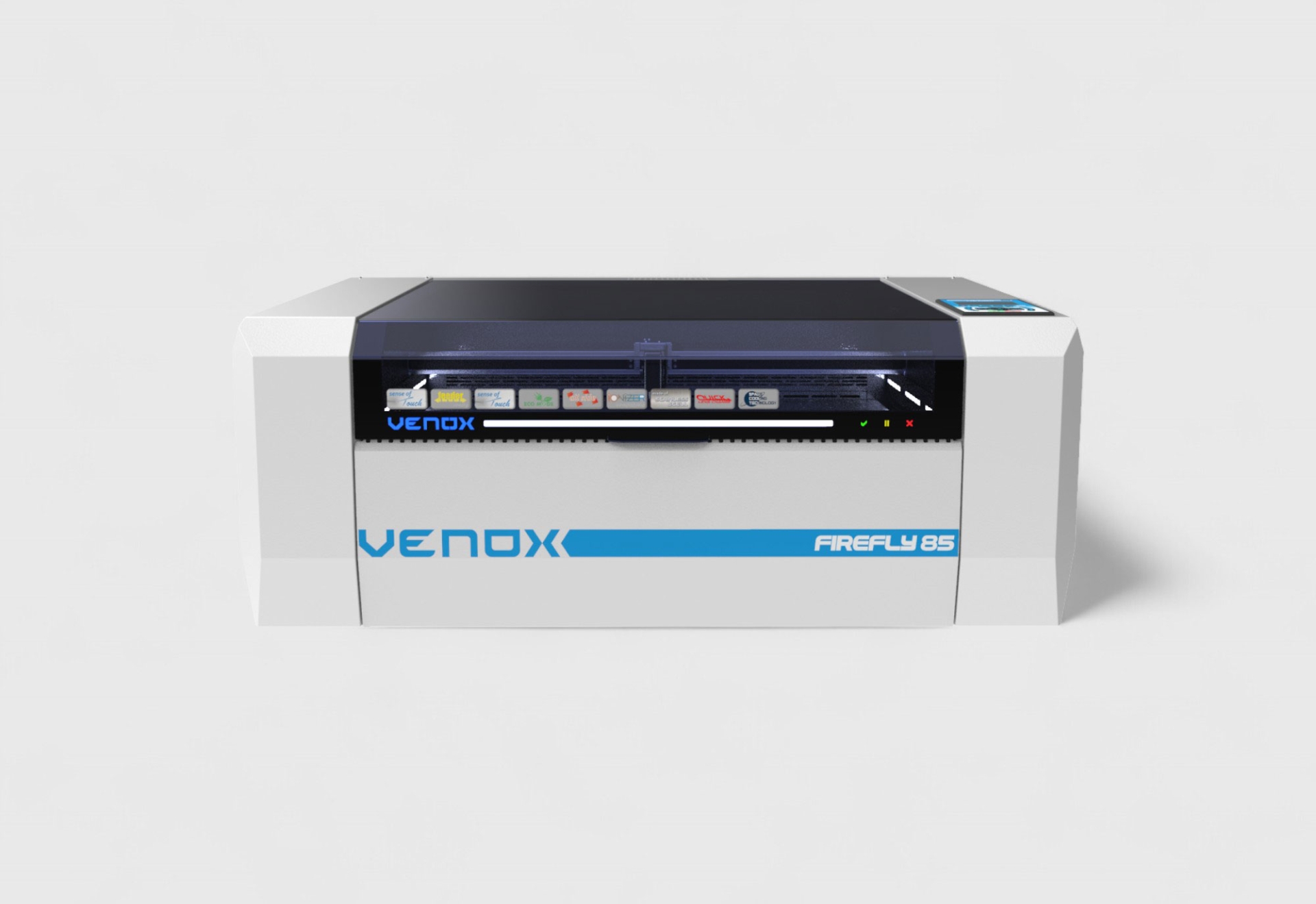
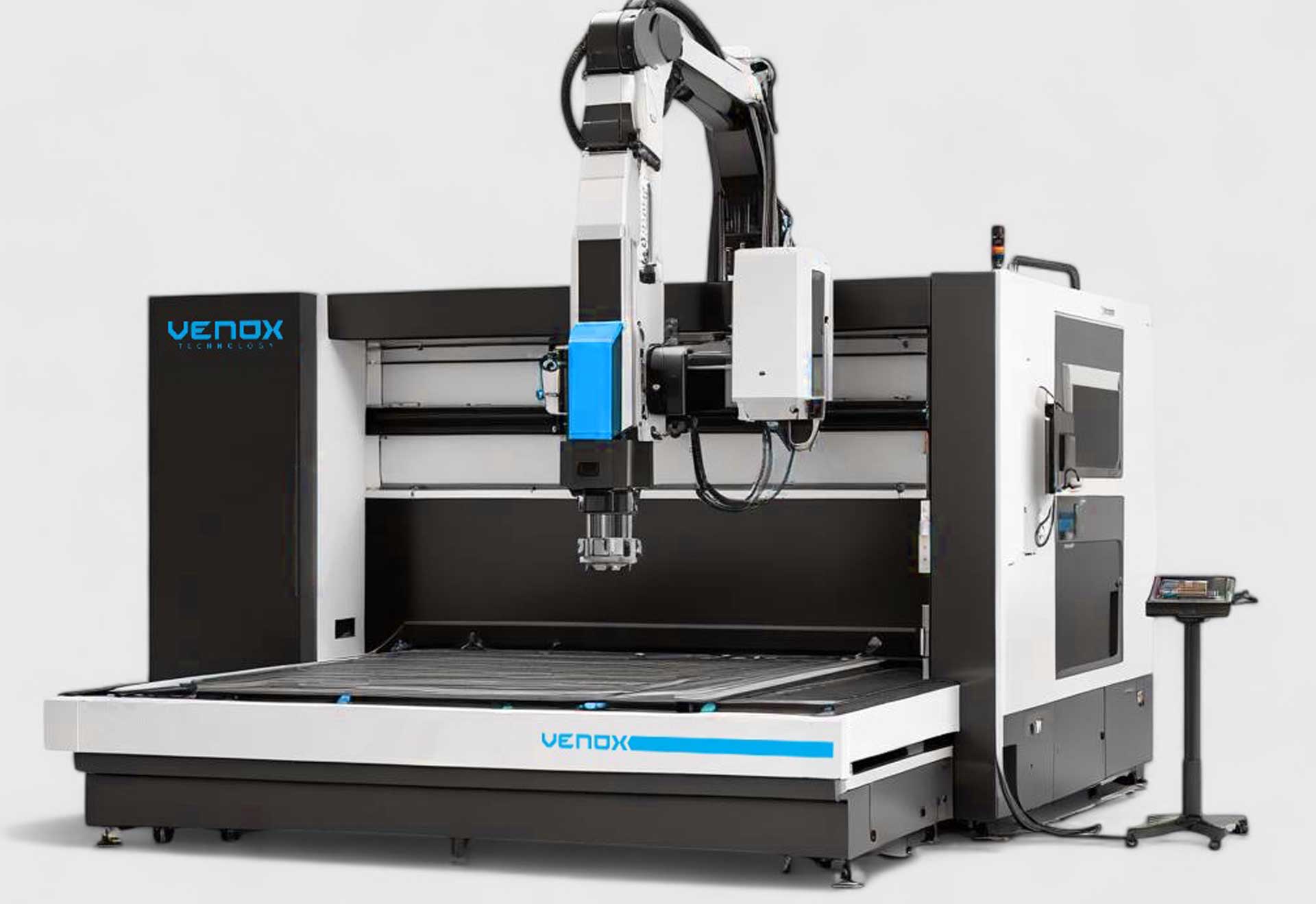

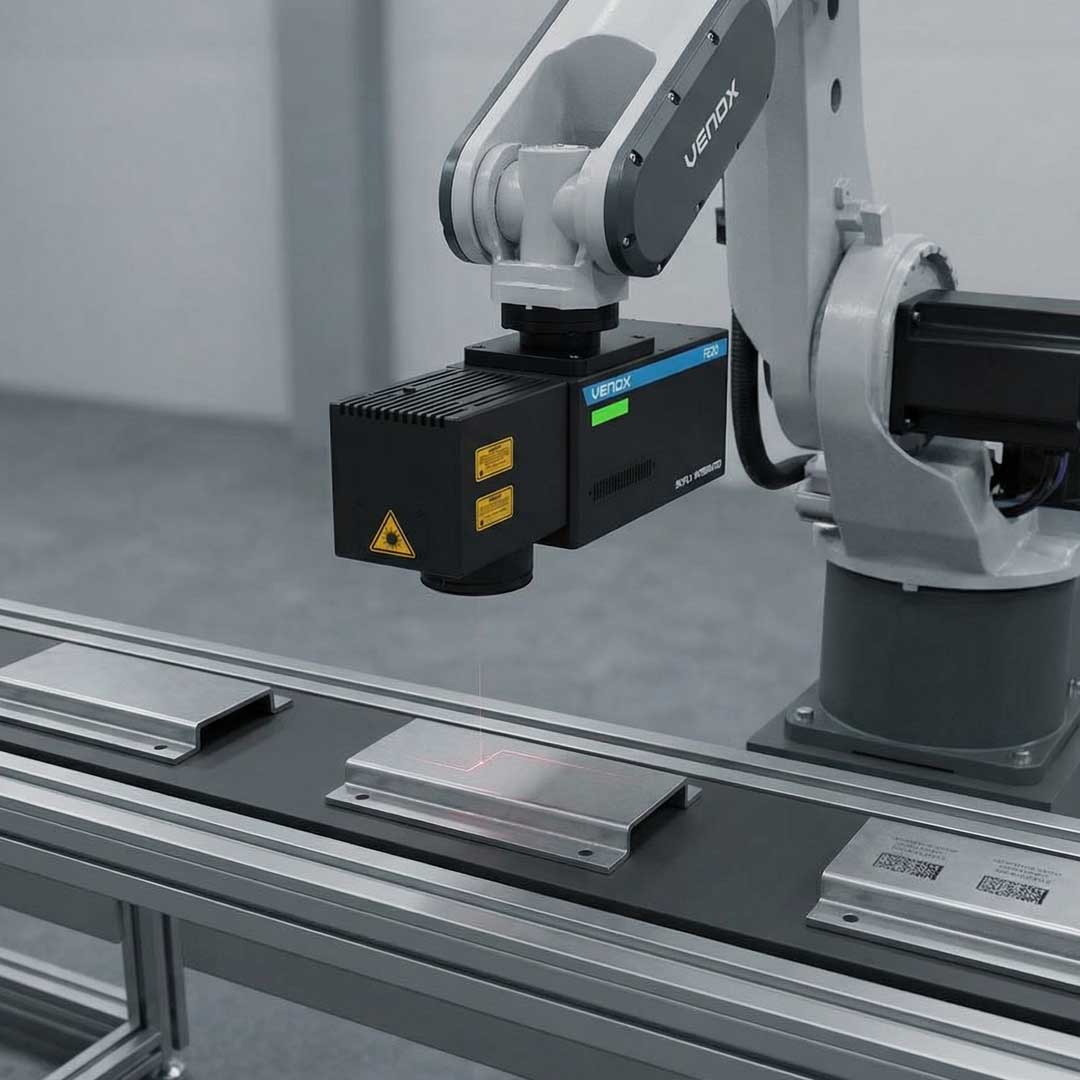
Venox FE Series Fiber Laser Marking Machines
The Venox FE Series is a fiber laser system developed to meet high-precision marking needs in both manual-loading stations and semi-automatic production cells, thanks to its compact structure and modular configuration options. This content positions the FE Series not merely as a “desktop laser,” but as a traceability solution that can be integrated into the production process by presenting technical data, integration capability, operational scenarios, and purchasing criteria together.
Product Concept and Technical Framework
1) What problem does the FE Series solve?
The most common challenge in small and mid-scale production is the need for a cost-effective marking solution with industrial-grade reliability. The FE Series meets serial number, DataMatrix, and logo marking requirements in operator-controlled or semi-automatic processes. The goal is not only to leave a mark, but to maintain readability in a sustainable way. For this reason, the system is designed with stable power output and repeatable parameter management.
2) Who is it ideal for?
- Small and mid-scale manufacturing companies
- Spare parts manufacturers
- Machine builders
- Metal workshops and contract manufacturers
- Electrical/electronic panel manufacturers
3) Which applications is it used for?
The FE Series is suitable for serial numbers, QR/DataMatrix codes, company logos, and technical labeling on metal surfaces. It provides high-contrast marking especially on stainless steel, carbon steel, aluminum, and anodized surfaces. In plastic applications (ABS, PC), controlled contrast can be achieved with the right parameter combination.
4) Technical architecture
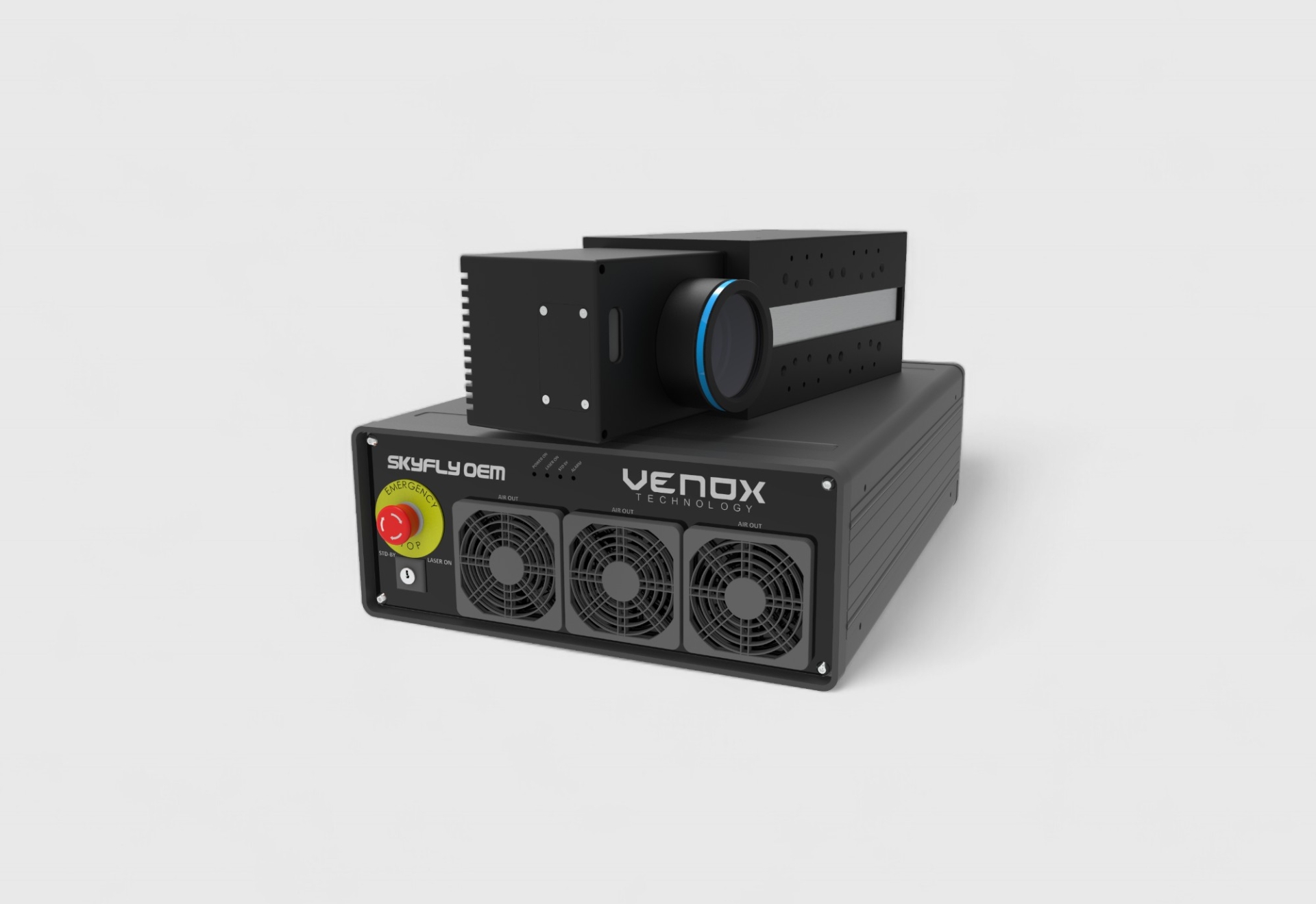
The system operates with a fiber laser source and typically offers 20W or 30W power options. This power range provides sufficient performance for both fine-detail marking and medium-level deep engraving. Lens options define the marking field; 110x110 mm and 150x150 mm are the most common choices.
5) Technical specifications
- Laser type: Fiber
- Power options: 20W / 30W
- Marking area: 110×110 – 150×150 mm
- Minimum line width: Application-dependent precision
- Data format support: Serial no, QR, DataMatrix, alphanumeric text
- Connectivity: Digital trigger and basic data integration
6) Operational usage scenario
The FE Series is typically used in scenarios where the operator places the part into a fixture and starts marking via a pedal or button. It enables fast changeovers in low-volume production. Thanks to recipe-based parameter storage, the correct settings for different products can be recalled quickly.
7) Decision-driving block: Why Venox FE?
The Venox FE Series reduces purchasing risk with the advantages of local manufacturing, fast technical support, and application testing capability. Parameter studies can be carried out on samples and the results are documented. This approach provides the opportunity to see the machine’s real-world performance in advance.
8) Configuration recommendations
- General metal marking: 20W + 110x110 lens
- Higher-speed production: 30W + 150x150 lens
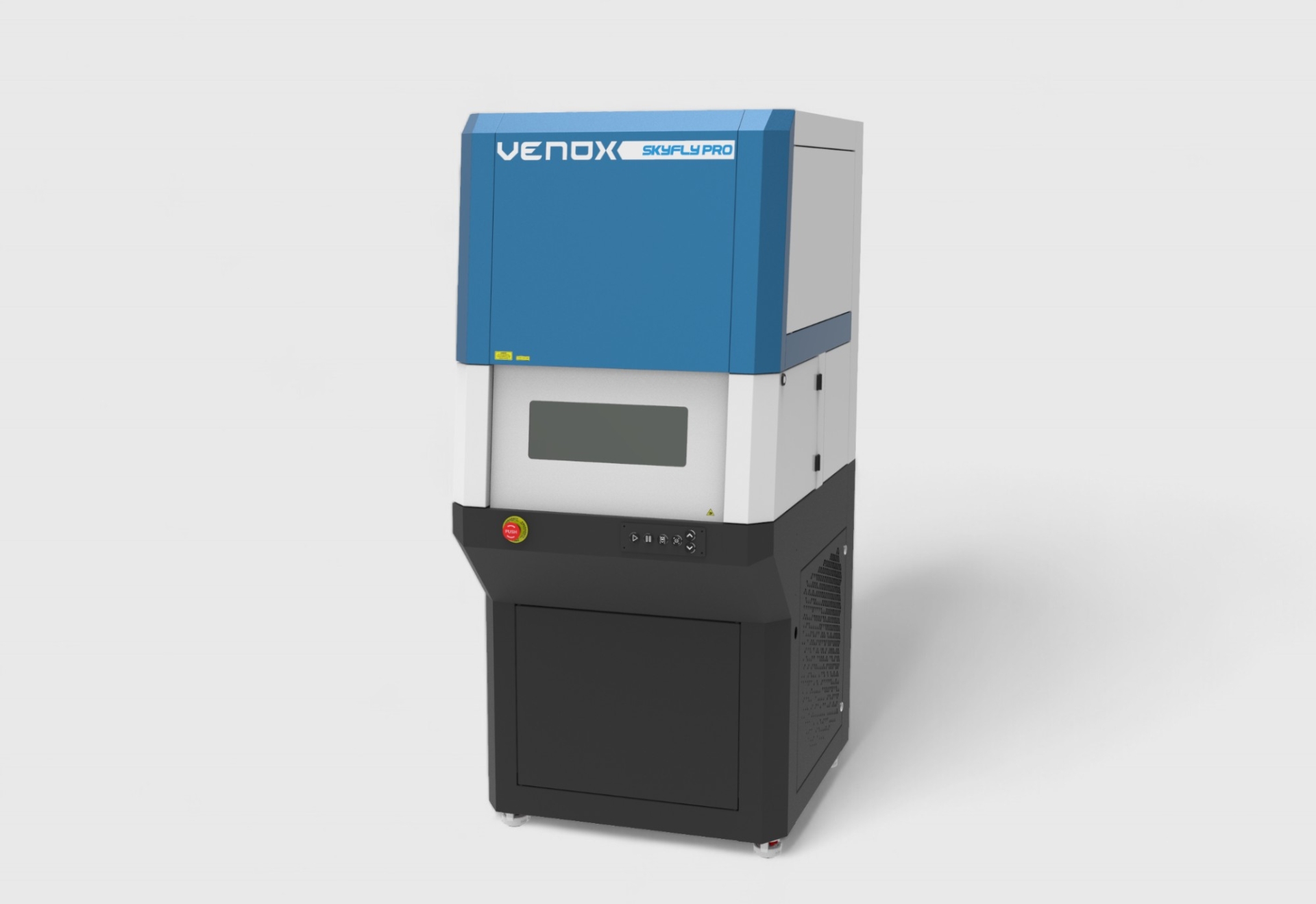
- Safe manual operation: Safety enclosure + pedal trigger
9) Sample and test process
After sample submission, parameter optimization, cycle time measurement, and a visual output report are prepared. This supports the investment decision with technical data.
10) Application example
For example, in a serial number marking application on an aluminum machine part, a 20W configuration can achieve a 1–2 second cycle time and high contrast. Quality verification is performed with a reading test.
Technical FAQ and Selection Criteria
1) How do you choose between 20W and 30W?
The selection depends on material type, target cycle time, and the desired marking depth. In higher-volume production, 30W may provide an advantage.
2) Can it be used on plastic surfaces?
Yes, but parameter optimization is required. Testing is recommended depending on the material type.
3) Is it CE compliant?
The system is designed with a safety approach and can be configured in accordance with the required standards.
4) What maintenance is required?
Other than optical cleaning and general checks, there are no high consumable costs.
5) Can deep engraving be performed?
Medium-level engraving is possible; for more demanding applications, higher power options may be recommended.
6) Can ERP integration be implemented?
Basic data transfer is possible; integration is planned according to project requirements.
7) Is it suitable for small businesses?
Thanks to its compact structure and modular configuration, it is ideal for small-scale production.
8) Is lens replacement possible?
Yes, different lens options can be offered depending on the application area.
9) What is the warranty period?
Warranty and service terms are defined according to the project contract.
10) How does the sample test process work?
Material and target marking information are shared; after testing, a report and video output are provided.
