
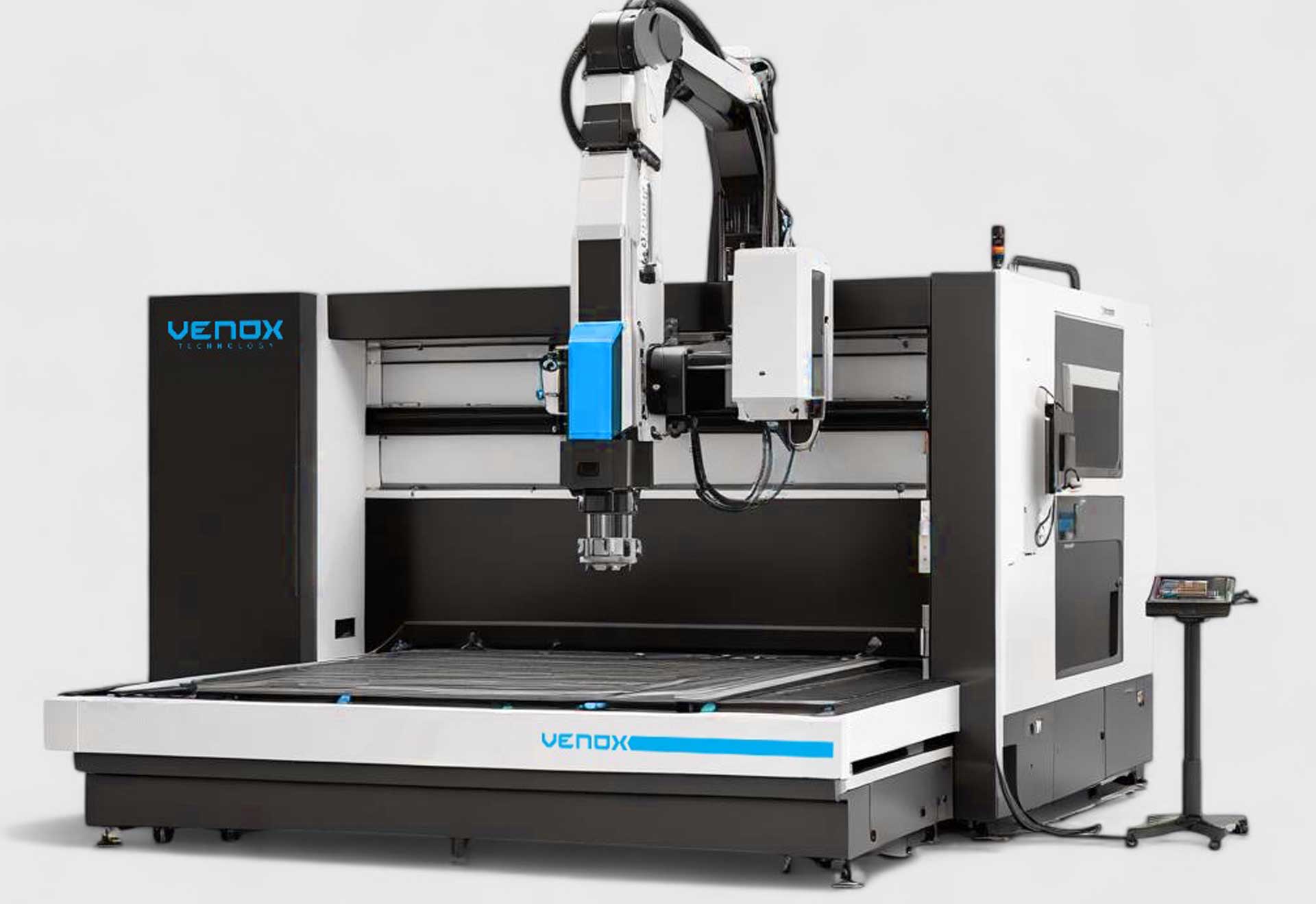

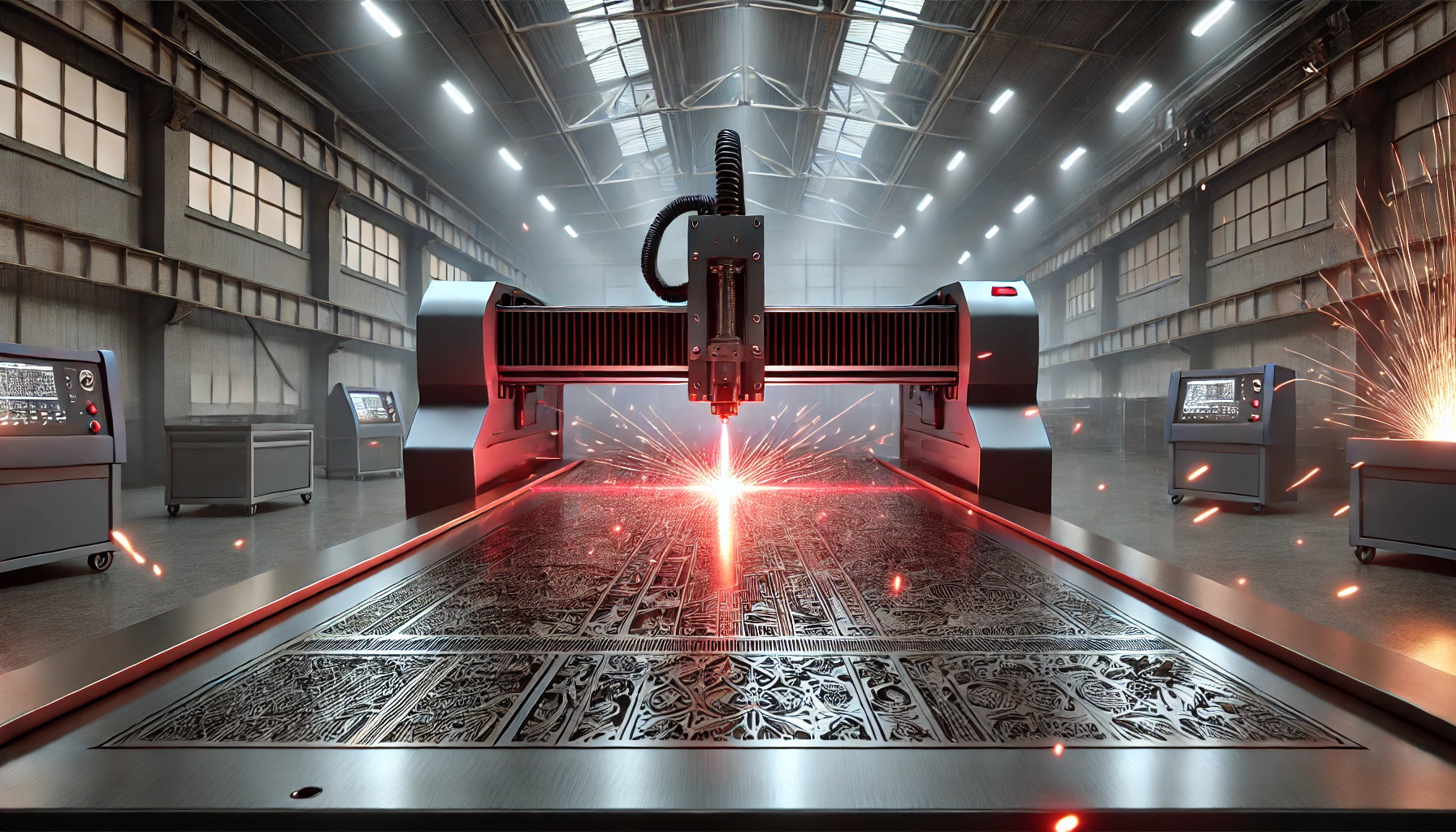
Venox FX Series 2.5D Deep Engraving Fiber Laser Marking Machines
The Venox FX Series 2.5D Fiber Laser Marking System is developed for controlled deep engraving, layered processing, and precise surface shaping applications, going beyond standard surface marking. This content is prepared from the perspective of depth control, energy management, scanning strategy, cycle time, and quality repeatability. The goal is not only to offer a “powerful laser,” but to provide measurable and reportable depth performance.
2.5D Deep Engraving Technology and Industrial Applications
1) What problem does the FX Series solve?
Standard 2D marking systems are ideal for producing surface contrast; however, applications such as die numbering, deep serial numbers, permanent identification, or surface removal require more controlled energy management. The FX Series focuses on achieving depth at specific micron levels through a layered processing approach.
2) Who is it ideal for?
- Mold manufacturers
- Companies processing tool steel
- Defense and aerospace suppliers
- Manufacturers of high-strength metal parts
- Businesses requiring permanent, non-removable marking
3) Which applications is it used for?
It is preferred for deep serial numbers, mold identification, metal surface carving, logo engraving, and controlled surface embossing applications. It is especially effective on hardened steel, stainless steel, and alloyed metals.
4) Technical architecture and power options
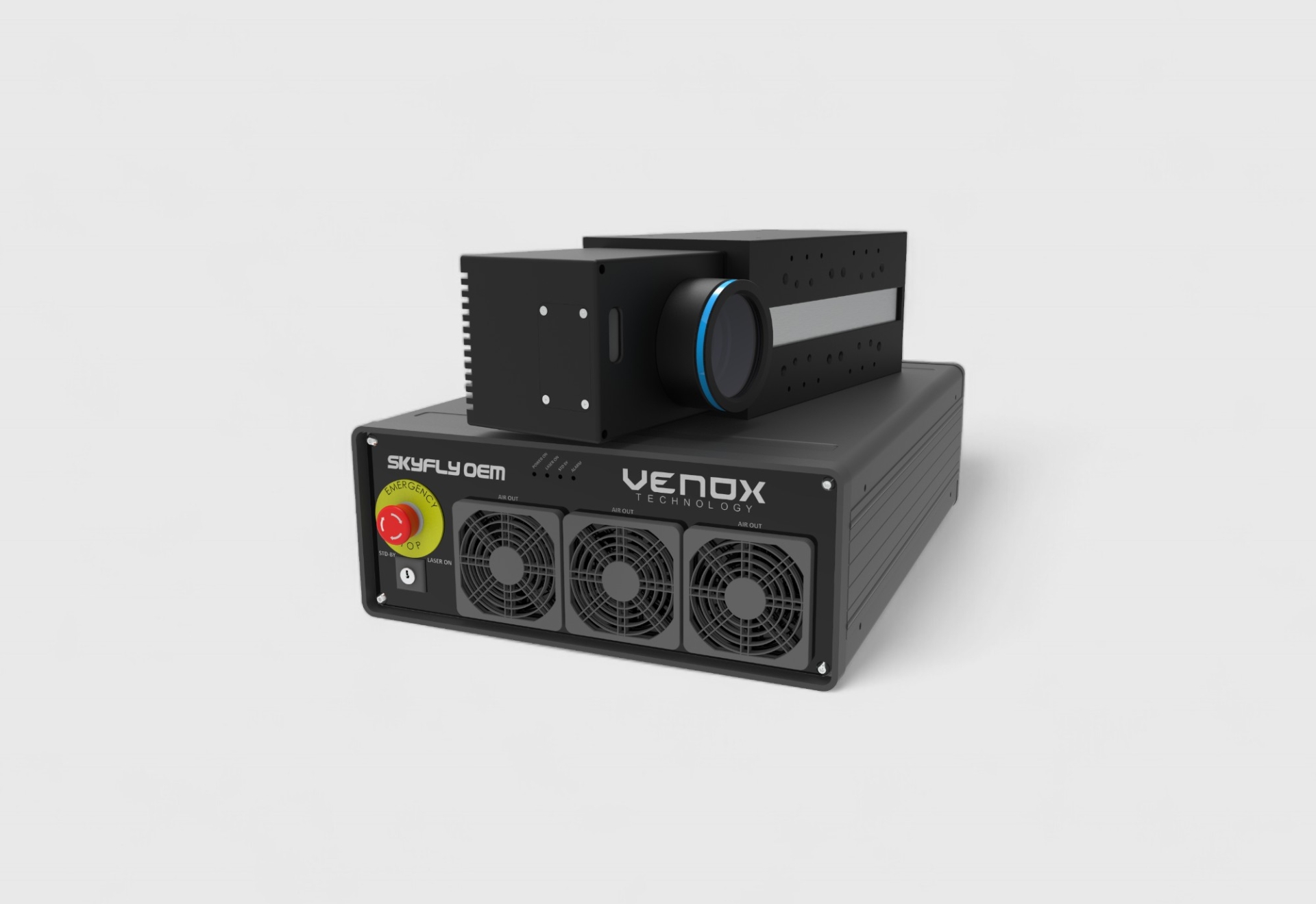
With a fiber laser platform, power options between 50W – 100W can be offered. Higher power provides greater material removal capacity in a shorter time. Multi-pass strategies are applied via the galvo system and software.
5) How is depth control achieved?
Depth depends on power level, frequency, scanning speed, line spacing, and the number of passes. With parameter optimization, the targeted micron depth is measured and verified. During the sample testing process, depth measurement can be reported.
6) Technical specifications
- Laser type: Fiber
- Power range: 50W – 100W
- 2.5D processing capability
- Layered scanning strategy
- Metal surface engraving support
- PLC integration option
7) Decision-driving block: Why the FX Series?
In applications requiring permanent and deep marking, surface contrast is not sufficient. The FX Series delivers measurable depth and repeatable results. With the advantage of local manufacturing and the testing process, investment risk is reduced.
8) Configuration recommendations
- Medium-depth engraving: 50W + optimized scanning
- High-depth requirement: 100W + multi-pass
- Mold marking: 50W + precision lens selection
9) Cycle time approach
In deep engraving applications, cycle time depends on the targeted depth. Using higher power can reduce cycle time.
10) Real application example
In a logo engraving application with a depth of 0.2 mm on a tool steel mold, a controlled and homogeneous result is achieved with a 100W configuration.
Technical FAQ and Purchasing Criteria
1) What is the difference between 2.5D and standard 2D?
2.5D systems provide depth control through layered processing.
2) Is 100W always necessary?
Power selection is made depending on the targeted depth.
3) Does it work on hardened steel?
Yes, deep engraving can be performed with the right parameters.
4) How is depth measured?
It can be verified with a micron measurement device during the sample testing process.
5) Will there be surface deformation?
It is controlled through parameter optimization.
6) Is PLC integration possible?
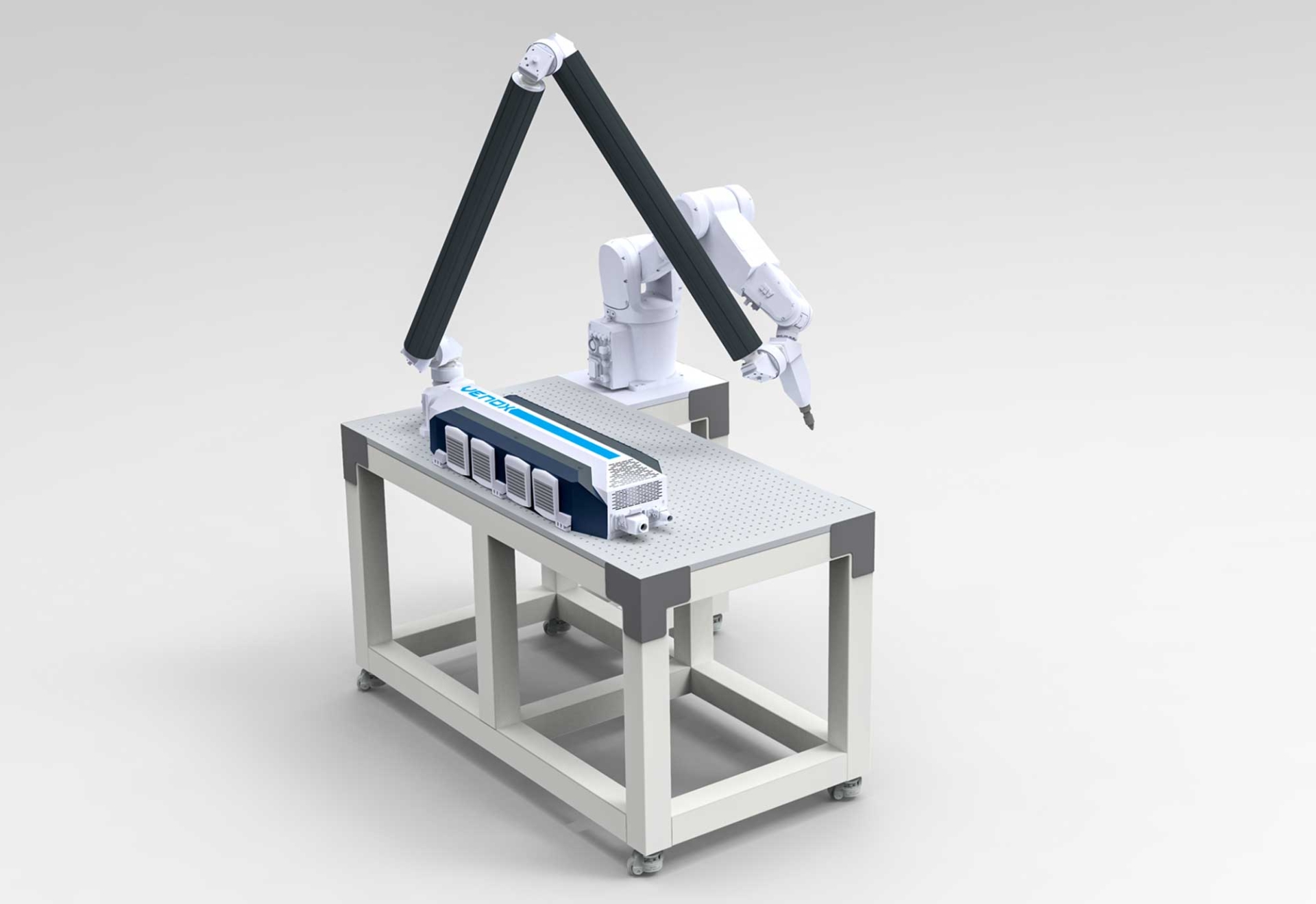
Yes, it can be integrated into automation projects.
7) Is it permanent on molds?
Thanks to deep engraving, a non-removable result is achieved.
8) What is the maintenance requirement?
Optical and general system inspection is recommended.
9) How is cycle time optimized?
It is optimized through power and scanning parameters.
10) Can sample testing be done?
Yes, testing and a report are provided within 24–48 hours.
