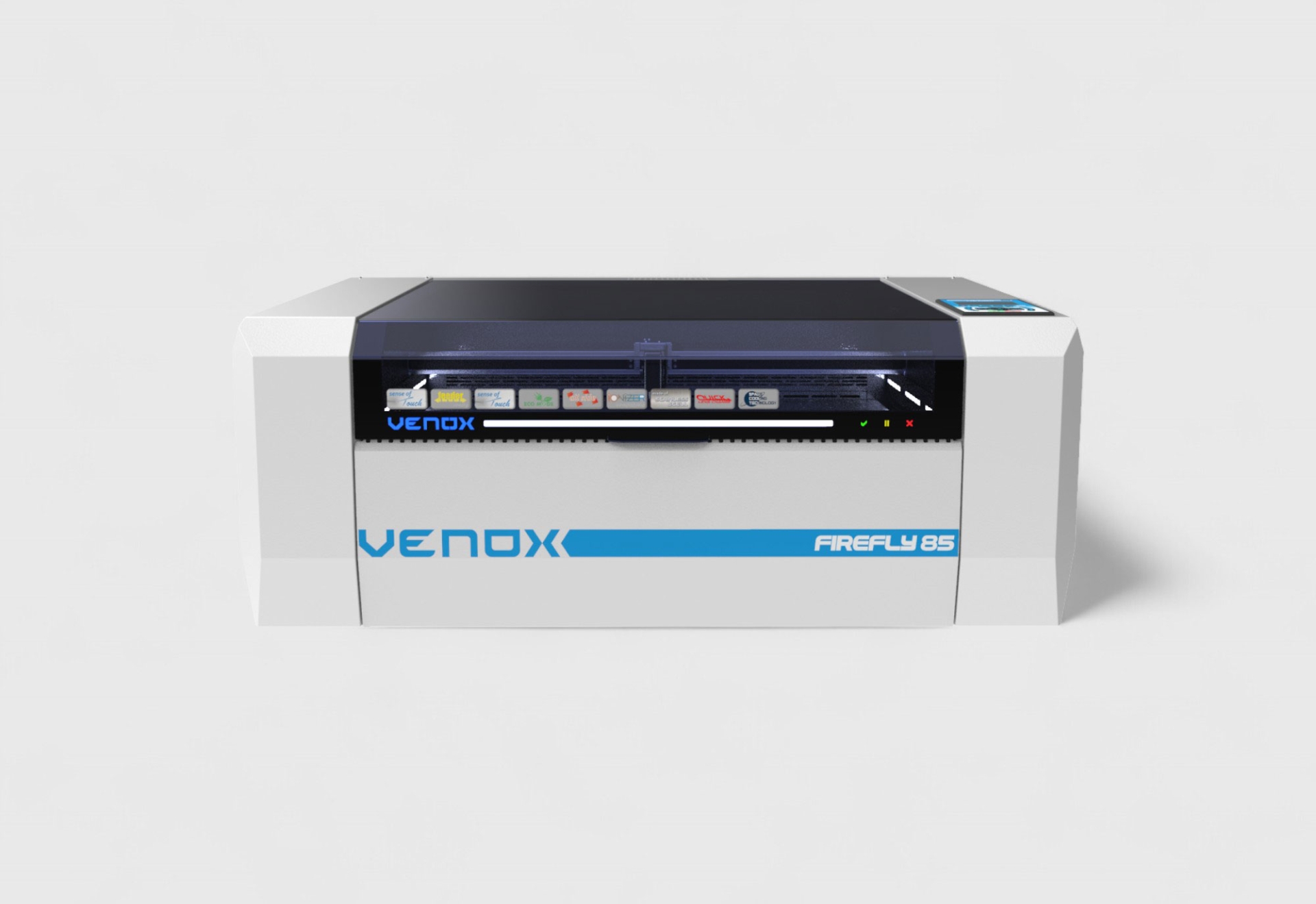
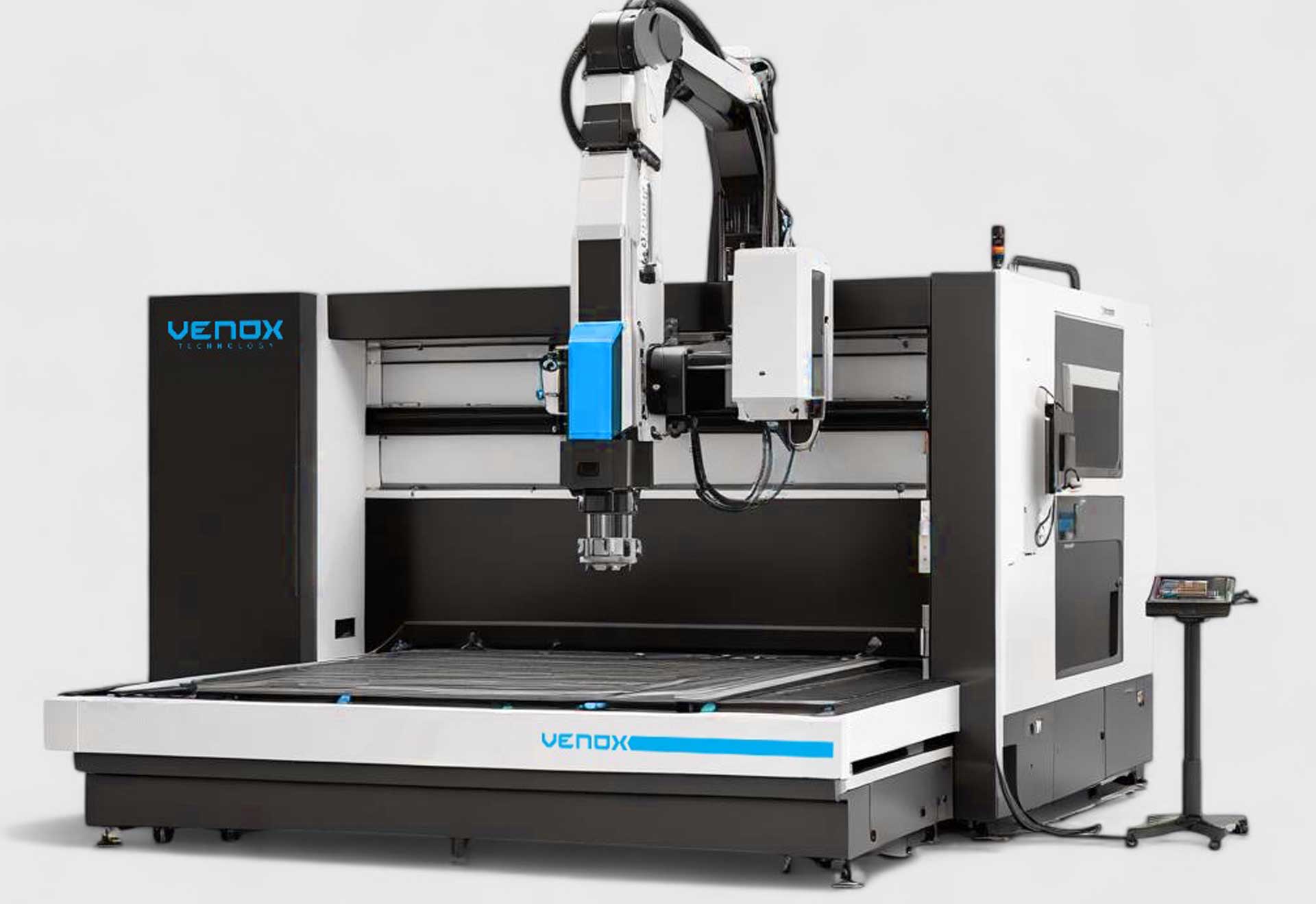


Venox Laser Marking Machine Solutions
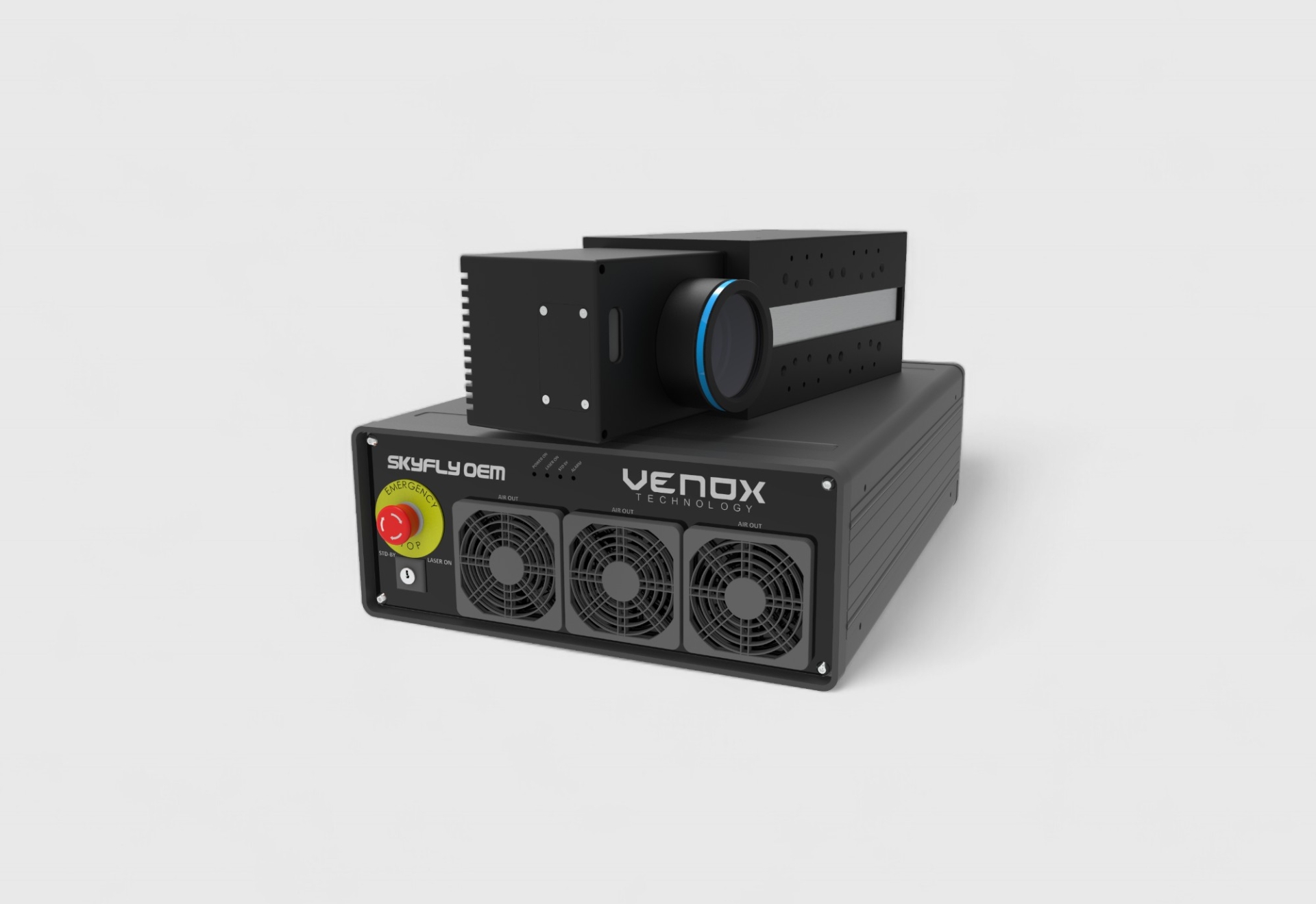
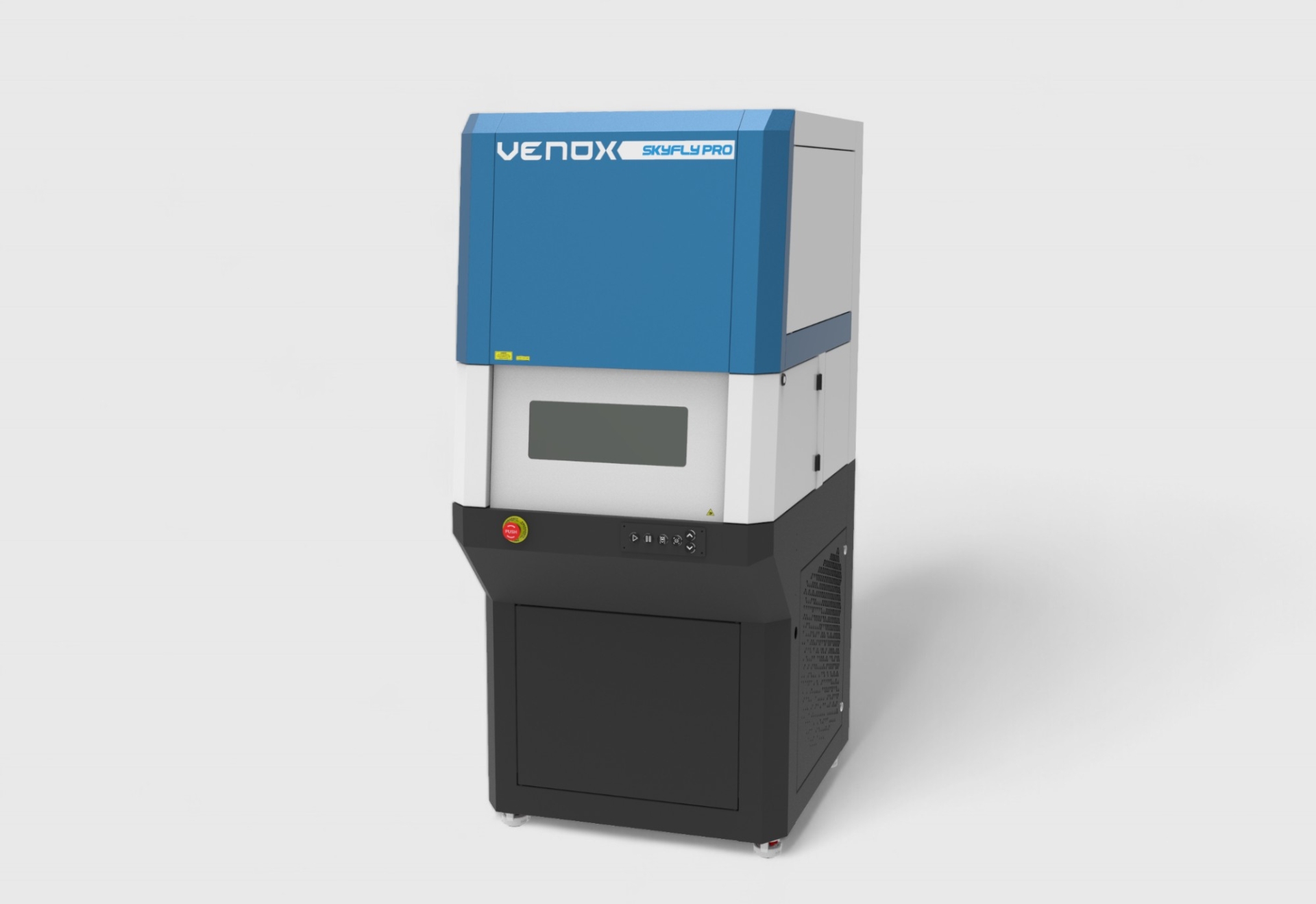
Venox laser marking machine solutions are developed for businesses that require permanent, precise, and non-contact marking in industrial production. The direct processing of serial numbers, barcodes, QR codes, DataMatrix codes, production dates, batch information, logos, and technical symbols onto product surfaces helps strengthen product identification and traceability processes.
The materials, production capacities, and marking requirements of products used in different industries vary. Therefore, instead of using a one-size-fits-all system, the laser source, marking area, automation structure, and software features suitable for the application should be evaluated together. In line with this approach, Venox helps determine the most suitable laser marking machine solution for the production needs of the business.
Features of Venox Laser Marking Machine Solutions
Laser Marking System Selection According to the Application
The first step in determining the right laser marking solution is to analyze the material structure of the product to be marked and the production conditions. Stainless steel, aluminum, brass, copper, titanium, plastic, coated metal, glass, and other surfaces react differently to laser energy.
For this reason, the laser technology to be applied should be evaluated not only according to the product category but also according to the marking result on the actual sample. The desired contrast, marking depth, code readability, cycle time, and product geometry can be analyzed together to select the appropriate system.
Fiber Laser Marking for Metal Surfaces
Fiber laser technology is widely used for marking metal products. Logos, serial numbers, DataMatrix codes, and technical information can be processed on stainless steel, aluminum, brass, copper, titanium, and various coated metal parts.
Thanks to their high precision, fast operation, and ability to process small details, fiber laser systems can be used in industries such as automotive, machinery manufacturing, defense, medical, and electronics.
In Venox solutions, the power, marking area, and optical characteristics of the fiber laser system are evaluated according to production requirements. This makes it possible to target a configuration that is suitable for the application rather than using a system that is unnecessarily large or insufficient.
Laser Marking on Plastics and Different Surfaces
The result of laser marking on plastic products may vary depending on the chemical structure of the material. While high-contrast color changes can be achieved on some plastics, other materials may exhibit surface foaming or a controlled material effect.
For this reason, sample testing is important in plastic marking applications. Before the application, it can be evaluated whether logos, serial numbers, QR codes, or product information can be achieved with the desired appearance and readability.
Depending on the application requirements, fiber, UV, or other laser technologies can be evaluated. The aim is to achieve a permanent and repeatable marking result without damaging the product surface.
Serial Number and Variable Data Marking
In mass production, applying the same information to every product may not be sufficient. Each part may need to be assigned a different serial number, date, batch code, or unique QR code. The variable data feature of laser marking systems enables this process to be automated.
For example, the serial number can be automatically incremented as products progress through the line. The production date can be retrieved from the system, or product information stored in a database can be transferred to the marking file. This makes it possible to reduce manual data entry and lower the risk of incorrect coding.
Product Traceability with QR Code and DataMatrix
QR code and DataMatrix marking are important applications in production processes that require traceability. The code permanently marked on the product can be matched with records in the production tracking system or database.
This enables access to information such as when the product was manufactured, which batch it belongs to, which quality control processes it has passed through, or which customer it was shipped to.
In industrial applications, it is not sufficient for the code to be clearly visible to the human eye. It must also be reliably readable by camera and barcode reader systems. Therefore, when Venox laser marking solutions are evaluated, code size, contrast, surface structure, and reader performance can also be taken into consideration.
Production Line and Automation Integration
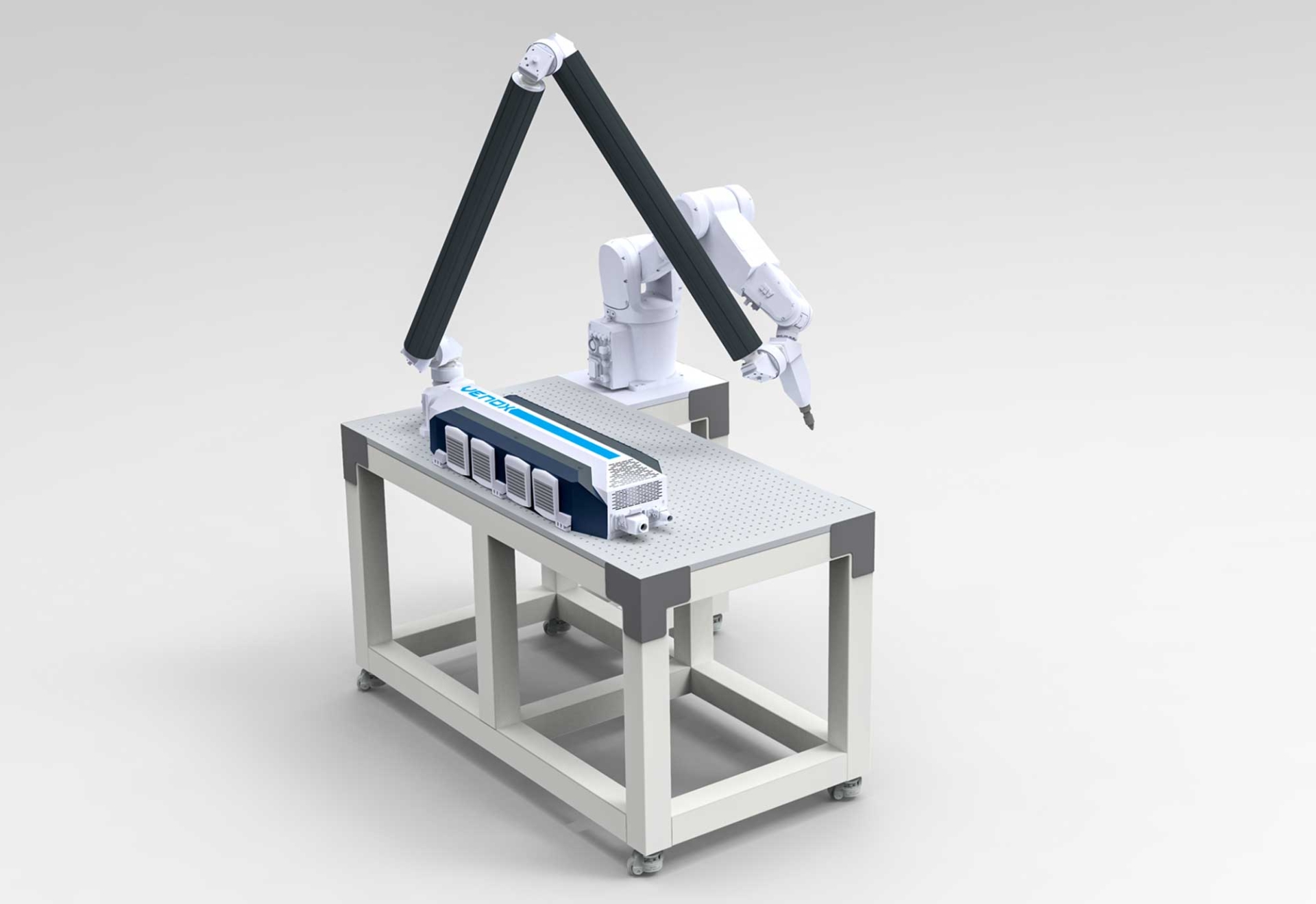
Laser marking machines can be used as manual workstations or integrated into automated production lines. Conveyor systems, PLC infrastructures, robotic arms, sensors, camera systems, and barcode readers can be used at different stages of the marking process.
When the product arrives on the line, it can be detected by a sensor, the relevant marking data can be selected automatically, and the laser process can be carried out. Afterwards, a camera system can inspect the code and verify that the marking has been performed correctly.
This structure helps reduce cycle times, limit operator intervention, and ensure consistent marking quality, especially in high-volume production.
Laser Marking Solutions Suitable for Different Industries
Venox laser marking solutions can be considered for different industries where product identification and permanent coding are required. Although application requirements vary depending on the industry, the main objective is to achieve readable, durable marking that is compatible with the production process.
- Automotive and spare parts manufacturing
- Machinery and equipment manufacturing
- Metalworking industry
- Medical device and equipment manufacturing
- Electronic component manufacturing
- Defense industry
- Plastic injection molding
- White goods and household appliances
- Packaging applications
- Jewelry, accessories, and promotional products
Determining the Right Solution Through Sample Testing
Although evaluating the technical specifications of a laser marking system on paper is important, performing a sample test on the actual product provides more reliable results. Even materials within the same metal or plastic group may show different marking results due to differences in surface structure, alloy composition, or additives.
During the sample test, marking contrast, processing time, detail quality, code readability, and the effect on the surface can be evaluated. This makes it possible to determine which laser parameters and system configuration are more suitable before moving into production.
Technical Criteria for Selecting a Laser Marking Machine
When evaluating a laser marking system with Venox, it is necessary to analyze the complete application rather than focusing only on the laser power of the device.
- The material and surface structure to be marked should be determined.
- The product dimensions and marking area should be calculated.
- The desired marking result and contrast level should be defined.
- The need for a logo, serial number, QR code, or DataMatrix should be determined.
- Daily production capacity and cycle time should be calculated.
- The manual or automated production structure should be evaluated.
- The need for camera and reader integration should be analyzed.
- The technical service and after-sales support process should be evaluated.
Evaluating these criteria together not only helps achieve high-quality marking but also ensures that the system is properly integrated into the production process.
Plan Your Laser Marking Process with Venox
By reviewing Venox’s Laser Marking Machines solutions for different applications, you can evaluate system options suitable for your company’s production structure.
A technical evaluation based on the sample of the product to be marked, material information, production volume, and the content to be processed makes it easier to determine the right solution. To request a sample test and system recommendation for your logo, serial number, date, barcode, QR code, or DataMatrix applications, you can contact the Venox team through the Contact Us page.
A properly configured Venox laser marking machine solution enables permanent product identification, strengthens production tracking, and ensures that the marking process is compatible with the company’s production structure.
Frequently Asked Questions
On which materials can Venox laser marking machines be used?
Depending on the appropriate laser technology, laser marking can be performed on stainless steel, aluminum, brass, copper, titanium, plastic, and various industrial surfaces. For the most accurate result, testing on an actual product sample is recommended.
Are Venox laser marking solutions suitable for mass production?
Yes. Depending on the application, the laser marking system can be used as a manual workstation or integrated into the production line with conveyors, PLCs, robotic systems, and camera infrastructures.
Can QR codes and DataMatrix codes be marked with a laser?
Yes. QR codes, DataMatrix codes, and barcodes can be permanently marked onto suitable surfaces with a laser. It is important to test the codes with the cameras or readers that will be used.
Can Venox perform sample marking tests?
To determine the system most suitable for the application, a technical evaluation can be carried out based on the product sample, material structure, and desired marking result. You can contact Venox for detailed information about sample testing.
How can I get a quotation for a Venox laser marking machine?
To review laser marking solutions, you can visit the Laser Marking Machines page; for system selection, sample testing, and quotation requests, you can contact the Venox team through the contact page.
