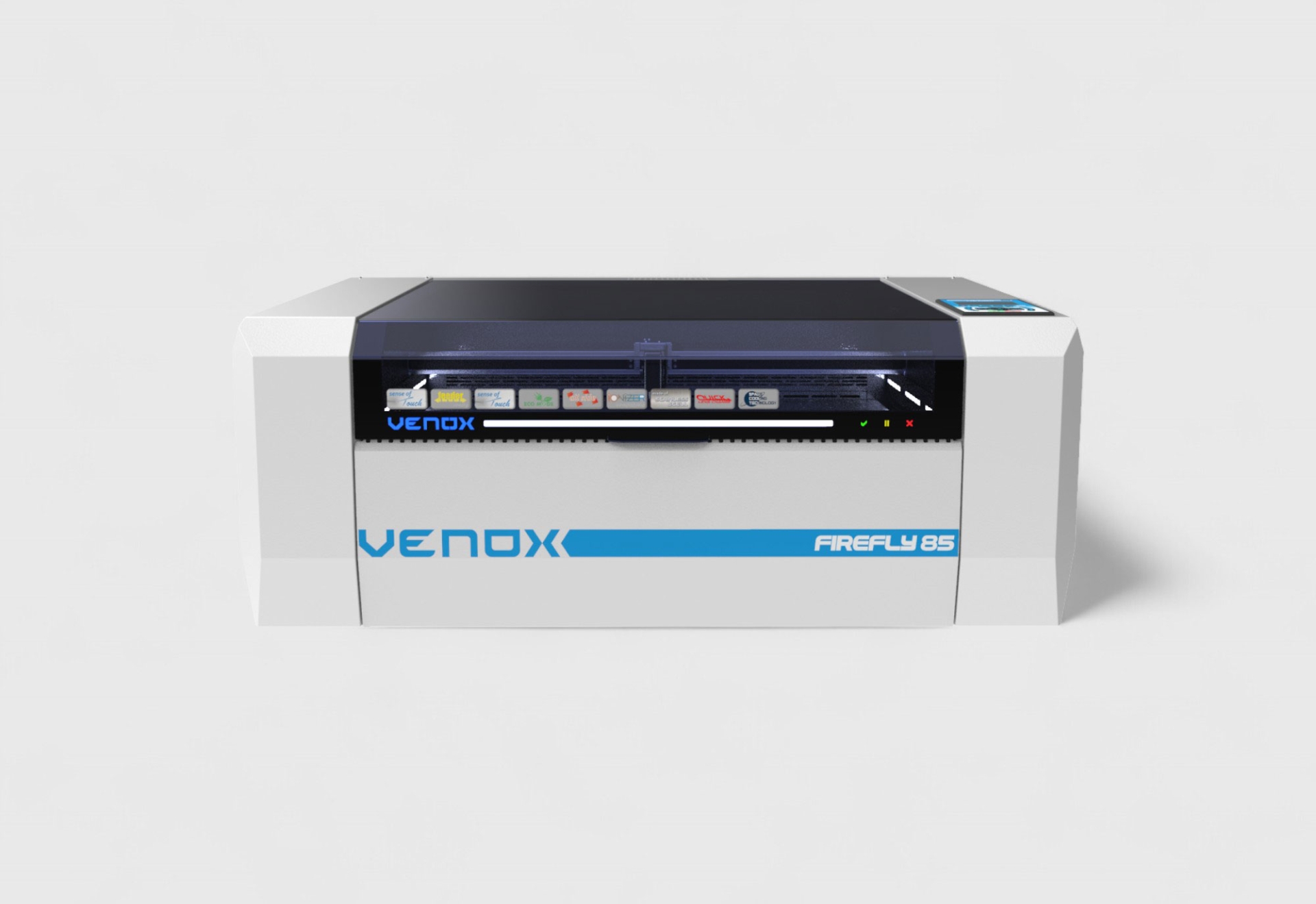


Venox Laser Marking Machines: Fiber, CO₂, UV and Custom Systems
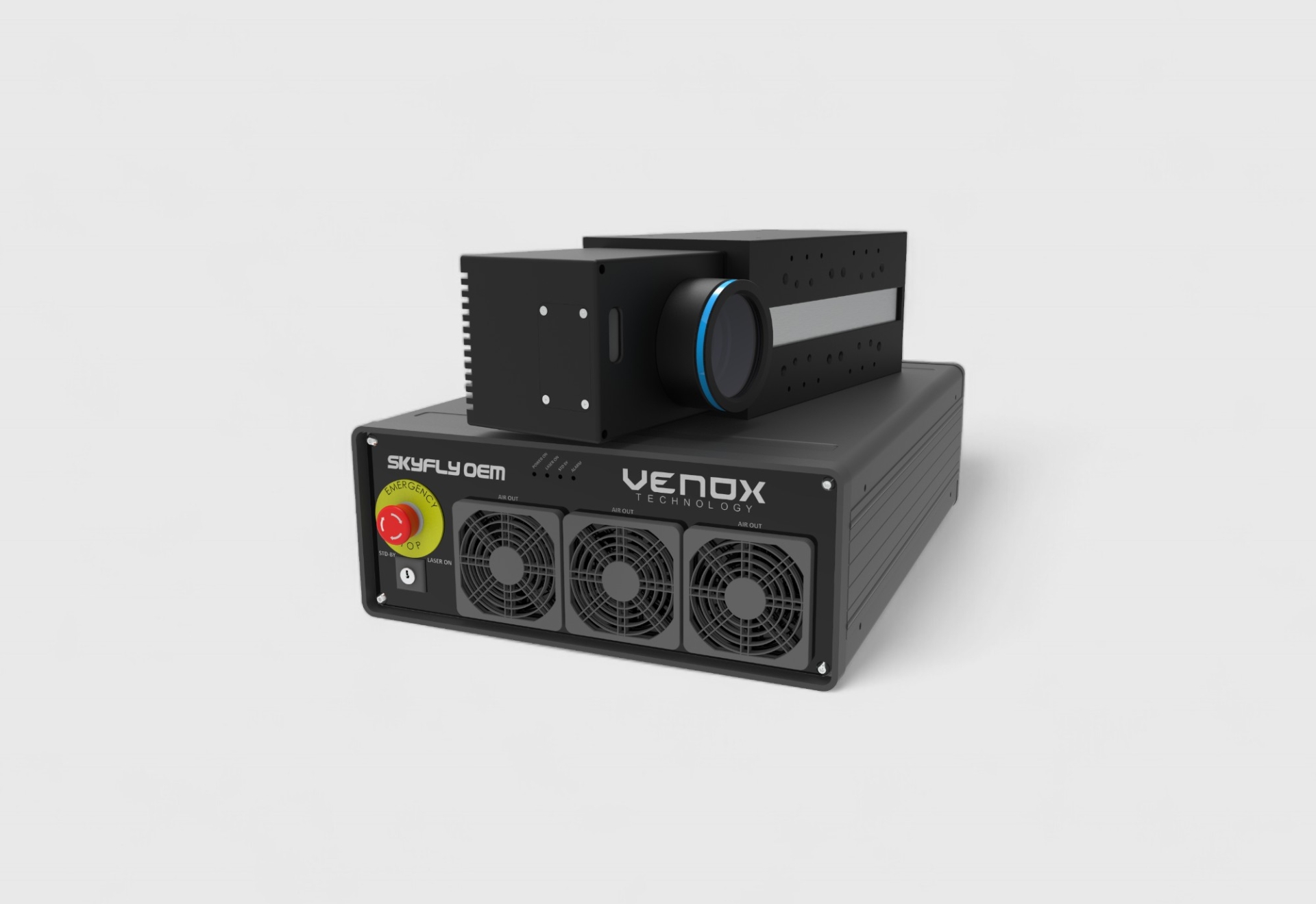
Venox laser marking machines provide industrial solutions aimed at determining suitable laser technologies for different materials and production processes. Today, laser marking systems are no longer machines used solely for applying logos or text; they have become one of the critical stages of production for applications such as product identification, traceability, serial number generation, QR code and DataMatrix marking.
For a laser marking system to operate correctly, the laser technology used must be suitable for the material to be marked. Metal, plastic, wood, leather, electronic components or sensitive surfaces do not produce the same results with the same laser source. For this reason, fiber, CO₂ and UV laser technologies are evaluated according to different application requirements.
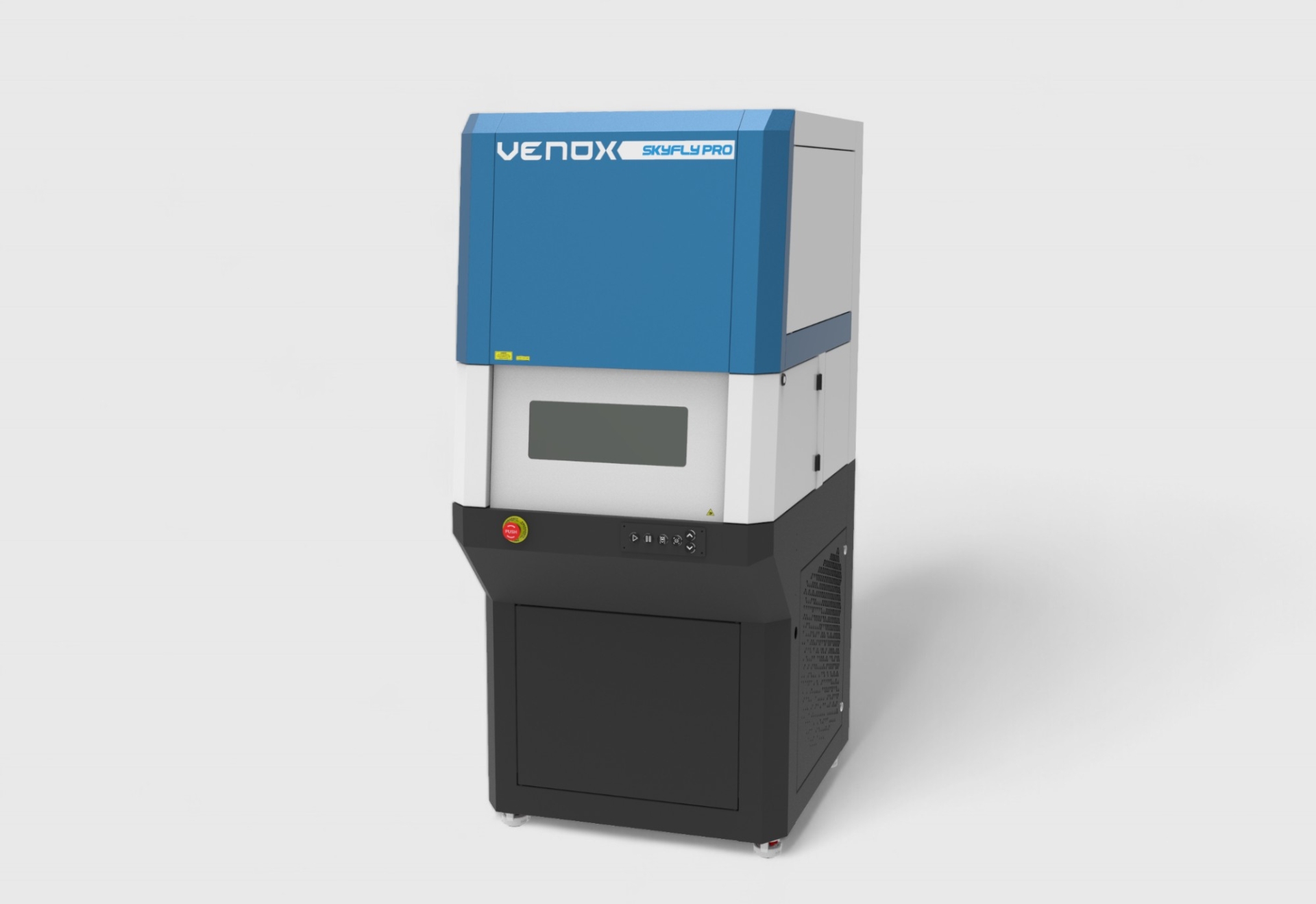
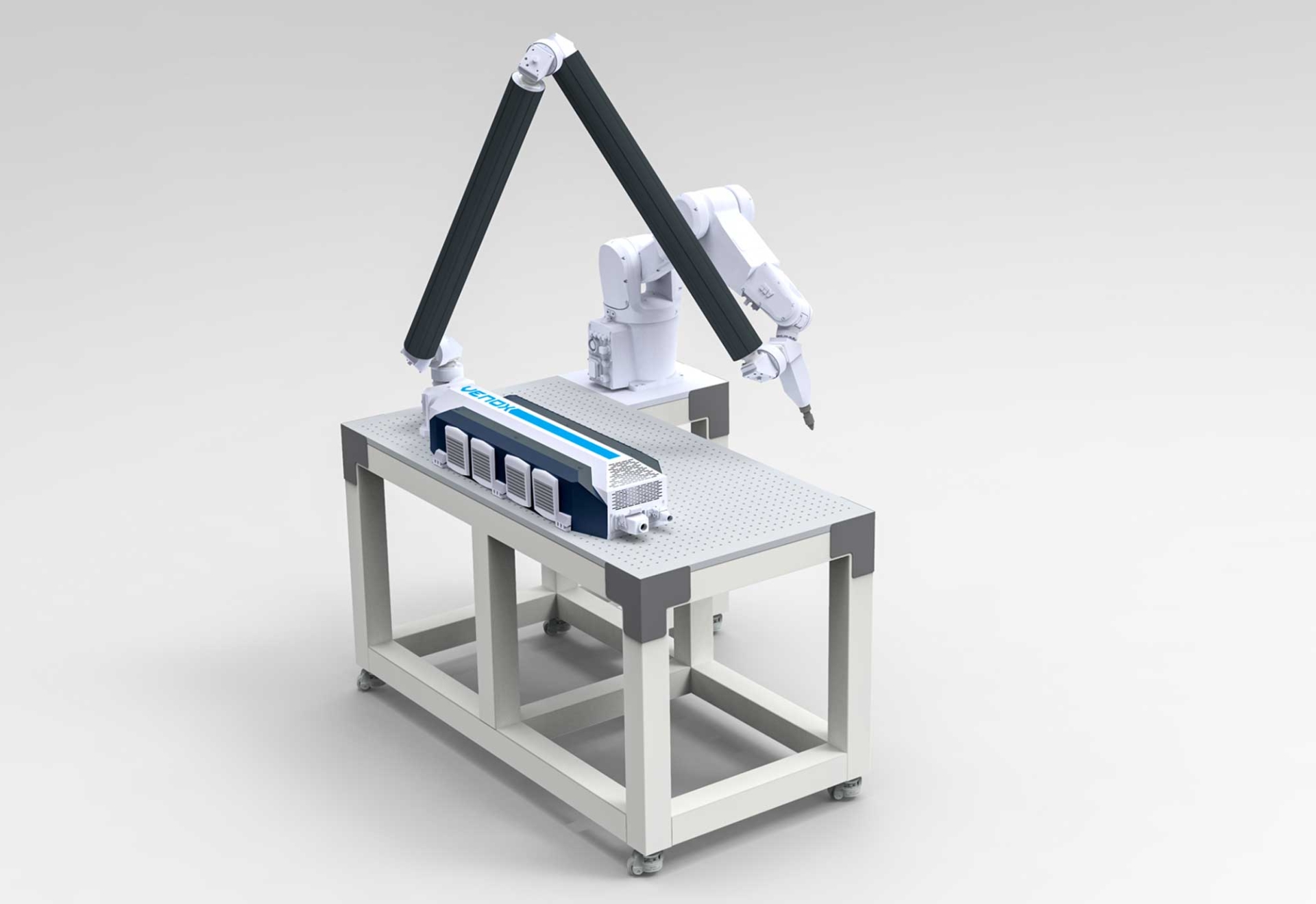
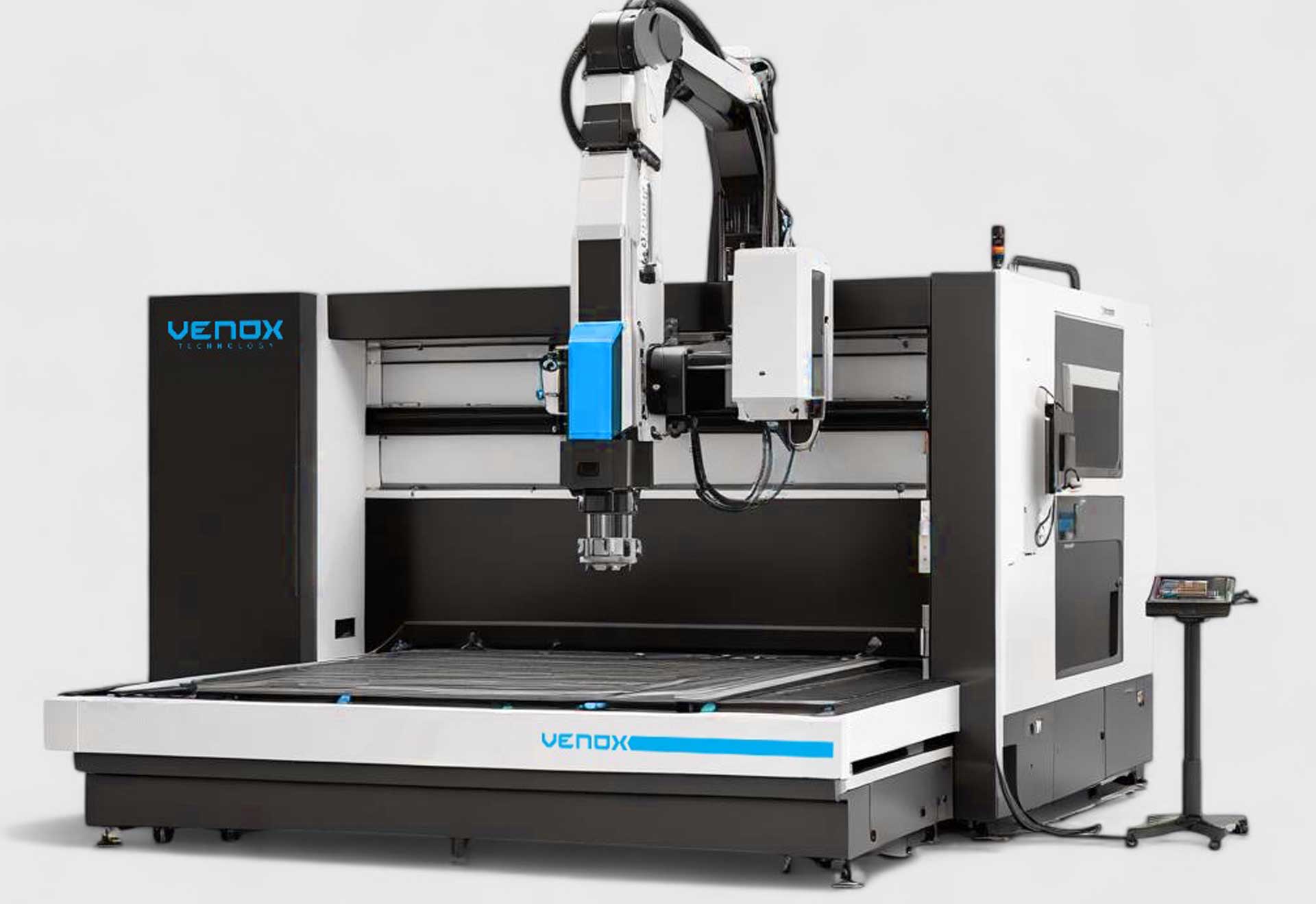
Venox's approach to laser marking systems is not limited to offering a standard machine model. Production volume, part geometry, marking area, cycle time, automation requirements, safety requirements and production line structure can all be considered together.
Thanks to this structure, different solution alternatives can be developed, ranging from standalone laser marking machines to custom systems integrated into production lines.
Technologies Used in Venox Laser Marking Systems
Fiber Laser Marking Systems
Fiber laser marking technology is one of the most widely used industrial laser solutions, particularly for metal surfaces. Fiber laser sources are preferred in many industries due to their high beam quality, fast marking capability and suitability for mass production.
Stainless steel, carbon steel, aluminum, brass, copper and various metal alloys are among the materials that can be marked with fiber lasers. Depending on the application requirements, markings in different shades, engraving or deep marking can be performed on the surface.
Fiber laser marking systems can be used on automotive parts, machine components, metal labels, fasteners, electronic parts, molds and industrial products.
Marking quality does not depend solely on laser power. Parameters such as frequency, pulse duration, scanning speed, focal distance, the lens used and the material structure also directly affect the result.
For this reason, when selecting a fiber laser system, focusing only on power ratings such as 20 W, 30 W or 50 W is not sufficient. The appropriate configuration should be determined by evaluating the actual application conditions.
CO₂ Laser Marking Systems
CO₂ laser technology is one of the laser solutions used particularly for non-metallic materials. Wood, leather, paper, cardboard, rubber and certain types of plastics are among the materials that can be processed with CO₂ lasers.
CO₂ laser systems can be used not only for marking applications but also for various cutting and surface processing operations. Depending on the application, laser power, focusing system and working area may vary.
CO₂ laser technology can be preferred particularly for packaging, furniture, textile accessories, leather products and plastic-based parts. However, selecting a final system without first testing the interaction between the laser and the material is not recommended.
For more detailed information about cutting applications, the laser cutting systems page can be reviewed.
UV Laser Marking Systems
UV laser marking technology stands out in applications that require high precision and where the thermal effect needs to be kept to a minimum. The shorter wavelength of UV lasers can enable much more controlled processing on certain materials.
UV laser systems can be considered particularly for sensitive plastics, electronic components, medical products, glass and certain specialized surfaces.
UV laser technology can provide advantages in applications where reducing the risk of unwanted melting, burning or deformation on the material surface is important.
However, UV lasers should not be considered necessary or the right solution for every application. In some materials, fiber or CO₂ lasers may be more efficient and economical. For this reason, technology selection should be supported by application tests.
Key Differences Between Fiber, CO₂ and UV Lasers
One of the fundamental differences between fiber, CO₂ and UV laser technologies is the wavelength of the laser source used. Wavelength is one of the factors that determines how the laser beam is absorbed by different materials and what kind of effect it creates on the surface.
While fiber lasers deliver strong performance in metal applications, CO₂ lasers are more commonly used for organic and non-metallic materials. UV lasers can be preferred for sensitive surfaces and applications where low thermal impact is important.
For this reason, there is no single answer to the question “which laser is better?” The correct question is which laser technology is more suitable for a specific application.
When evaluating Venox's laser marking machines, these technical differences and the actual requirements of the application can be considered together.
Which Production Requirements Can Venox Laser Marking Machines Be Applied To?
Marking Metal and Industrial Parts
Marking metal parts is one of the most common areas of industrial laser use. Manufacturers can apply logos, part numbers, serial numbers, technical information, QR codes or DataMatrix codes onto products.
These applications are not performed solely for visual purposes. Especially in mass production, the marked information can become the identity of the product and can be used for traceability throughout the production process.
Automotive parts, machine equipment, fasteners, molds, metal plates and electronic components can be given as examples of such applications.
Details such as whether the marking is superficial or deep, the expected contrast and cycle time affect the system configuration.
Marking Plastics and Sensitive Surfaces
When laser marking plastic materials, the chemical structure of the material is highly important. ABS, polycarbonate, polyamide or different engineering plastics may react differently to the laser beam.
While light or dark contrast can be created on the surface of some plastics, other materials may undergo color changes or surface structure modifications.
For this reason, sample testing is particularly important in plastic marking applications. The effect created on the material by the fiber, UV or other laser technology to be used should be evaluated in advance.
Electronic parts, connectors, automotive plastics, medical products and various industrial components can be given as examples of plastic products that can be marked with lasers.
QR Code, DataMatrix and Serial Number Marking
QR code, DataMatrix and serial number marking systems play an important role in production processes that require product traceability.
Using laser technology, a unique code can be applied to each product. These codes can be associated with production date, batch number, product model, production line or other data defined by the company.
DataMatrix codes are particularly common in industrial applications because they can carry a large amount of data within a small area.
After the code is marked, its readability can be checked using a camera system. In this way, not only the execution of the marking process,
