

What Are Laser Marking Systems? Key Features
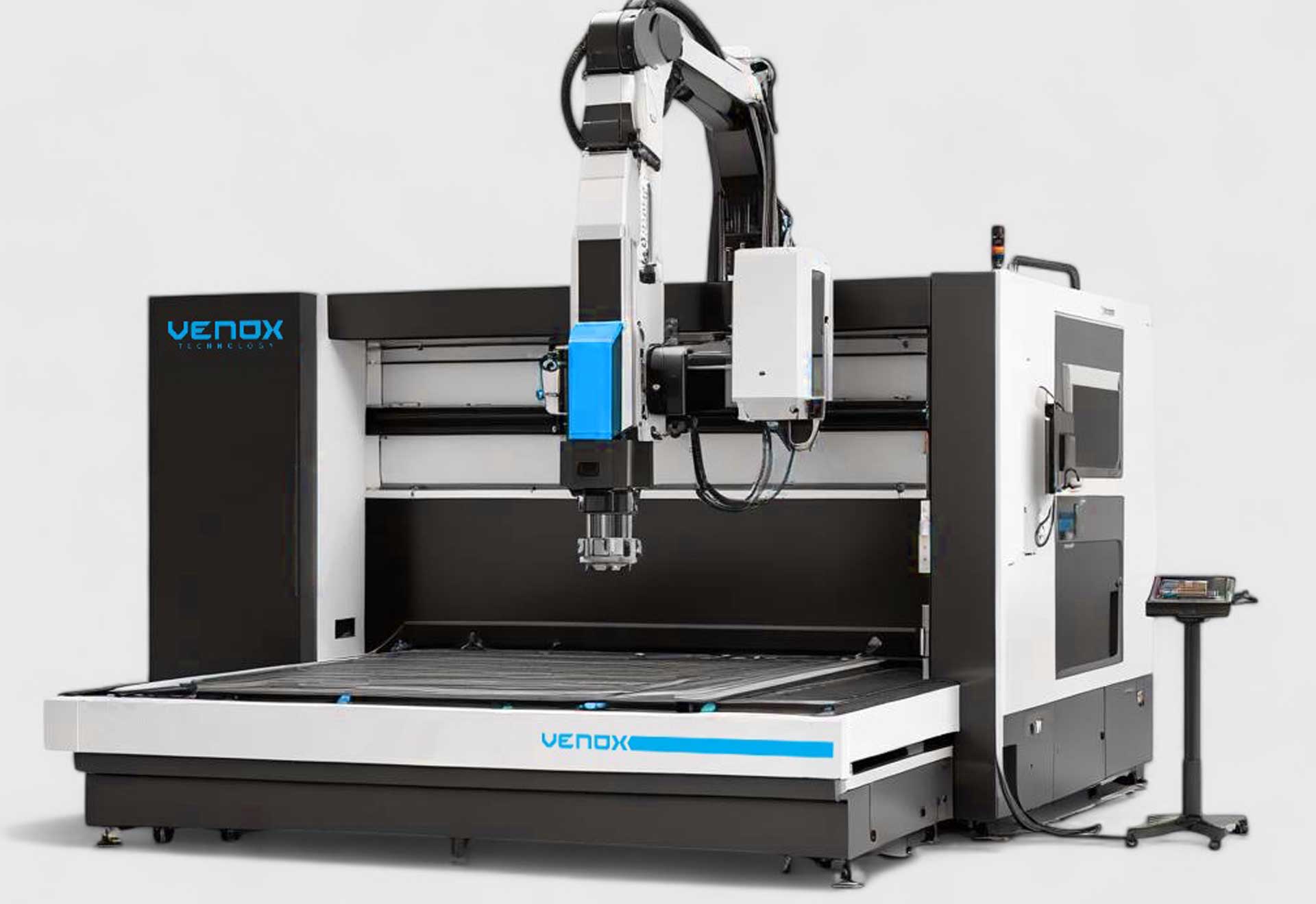
Laser marking systems are industrial solutions that enable permanent, readable, and contactless marking of products and components. Serial numbers, barcodes, QR codes, DataMatrix codes, production dates, batch information, logos, and technical symbols can be directly marked on different surfaces using laser technology.
In modern manufacturing, products must not only be physically manufactured but also properly identified and tracked. Therefore, laser marking systems have become an important part of quality control, product traceability, inventory management, service processes, and automation infrastructures.
Basic Operating Principles and Features of Laser Marking Systems
How Does a Laser Marking System Work?
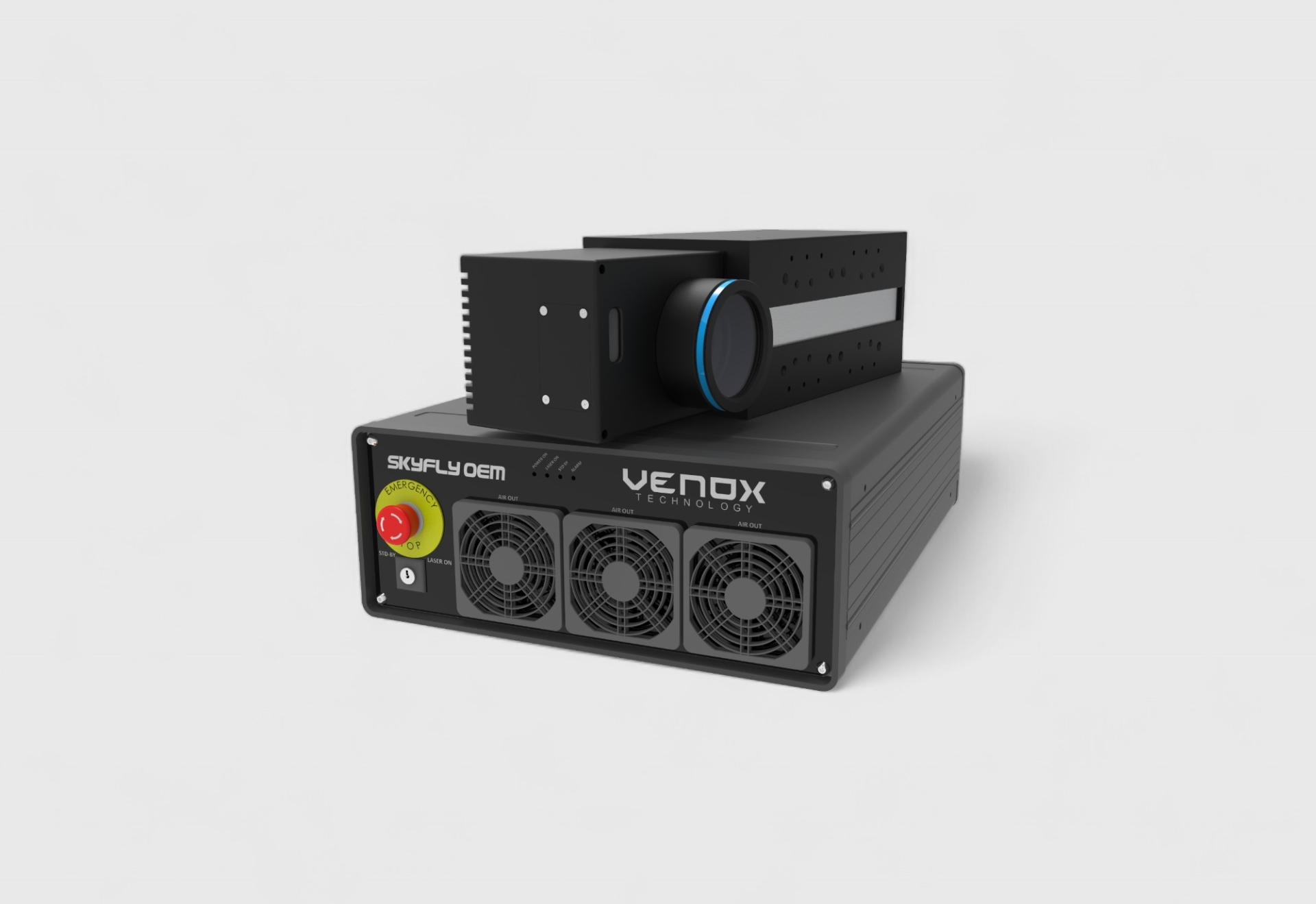
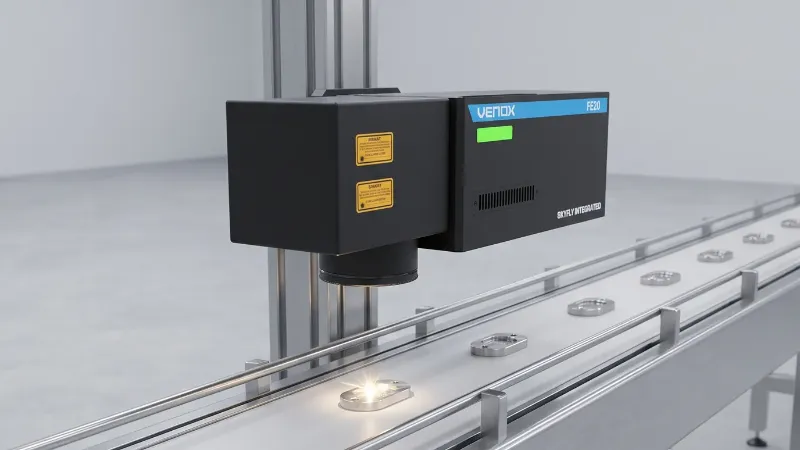
In laser marking systems, the beam emitted from the laser source is directed onto the product surface through optical components. Text, logos, codes, or graphics prepared in the marking software are created on the surface through the controlled movement of the laser beam.
During the process, no physical contact is applied to the product surface. Depending on the material properties, the laser beam can produce effects such as color change, surface marking, annealing, foaming, or controlled engraving.
The marking result varies depending on the laser source, power, frequency, scanning speed, focal point, material type, and surface characteristics. Therefore, selecting the correct parameters directly affects marking quality.
Differences Between Fiber, CO2, and UV Laser Systems
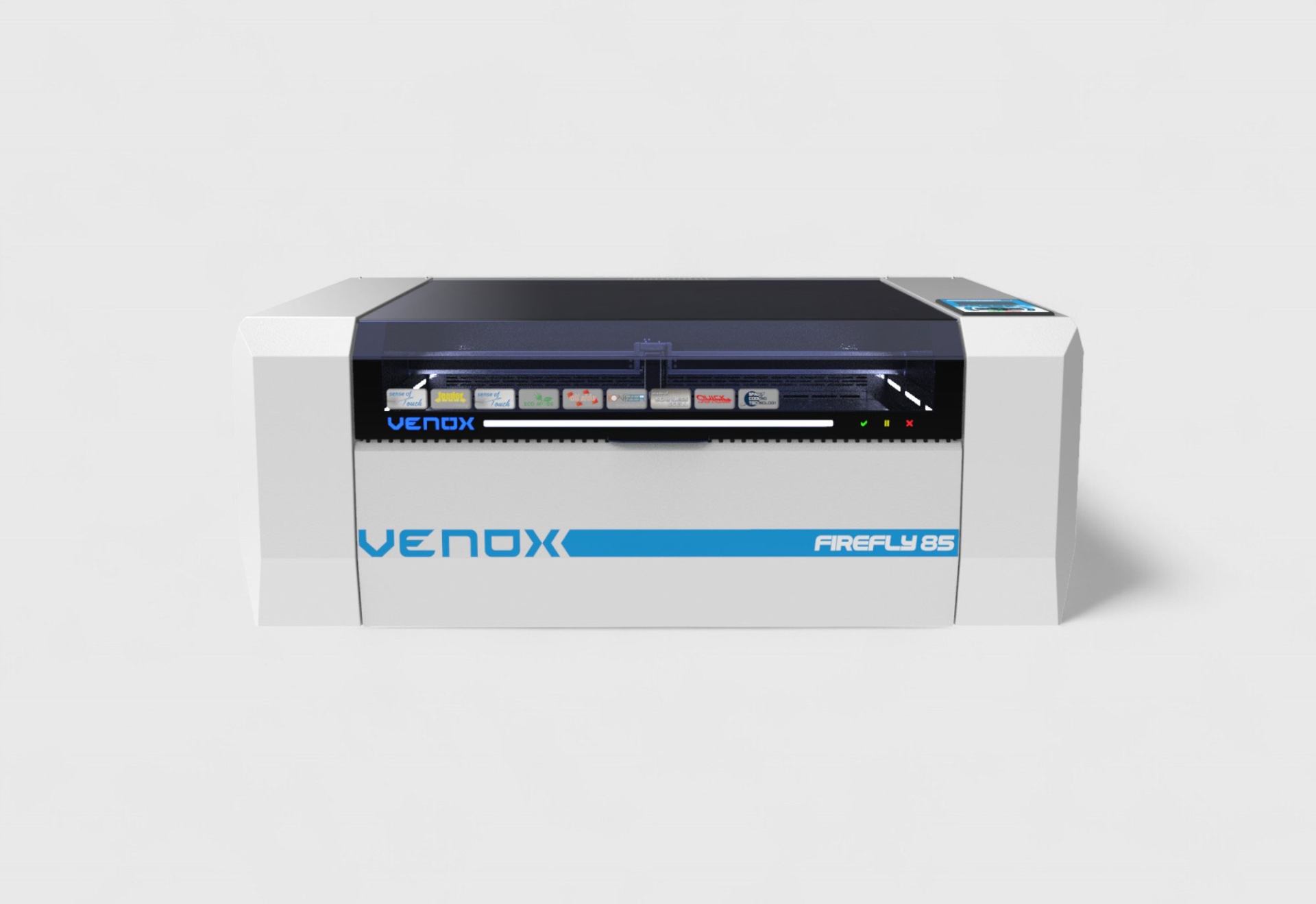
Laser marking systems have different application areas depending on the laser source used. The most common technologies include fiber lasers, CO2 lasers, and UV lasers.
- Fiber laser: Widely used on stainless steel, aluminum, brass, copper, titanium, and various metal surfaces.
- CO2 laser: Can be used on wood, leather, paper, cardboard, glass, and certain suitable plastic or organic surfaces.
- UV laser: Can be preferred for sensitive plastics, electronic components, and applications where minimal thermal impact is important.
Selecting the appropriate laser source affects not only marking quality but also the system's production speed and overall investment efficiency.
What Information Can Be Laser Marked?
Laser marking systems can process both fixed information and data that changes from one product to another. This feature makes the systems suitable for different production requirements.
- Company logo
- Product and model code
- Serial number
- Batch and lot number
- Production date
- Expiration date
- Barcode
- QR code
- DataMatrix code
- Technical symbols and warnings
Thanks to the variable data feature, serial numbers can be incremented automatically, date information can be retrieved from the system, or product information from a database can be transferred directly to the marking area.
Provides Permanent and Contactless Marking
One of the key features of laser marking systems is their ability to mark products without applying physical pressure. This provides significant advantages when marking delicate components.
Label- or ink-based methods may encounter problems such as fading, detachment, or loss of readability over time. Since laser marking creates information directly on the product surface, it offers a more permanent marking solution in many applications.
The contactless operating principle also reduces problems such as wear of mechanical marking tips and helps achieve more consistent results in high-volume production.
Supports Product Traceability
In modern manufacturing, traceability is an important part of quality management. A serial number, barcode, or DataMatrix code on a product establishes a connection between the physical product and its digital record.
When the product code is scanned, information such as the production date, batch details, quality control results, technical specifications, or service history can be accessed. This structure helps manage production, warehousing, shipping, and after-sales processes in a more controlled manner.
The ability to track individual products provides significant advantages, particularly in industries such as automotive, medical devices, electronics, and defense.
Can Be Integrated into Automation Systems
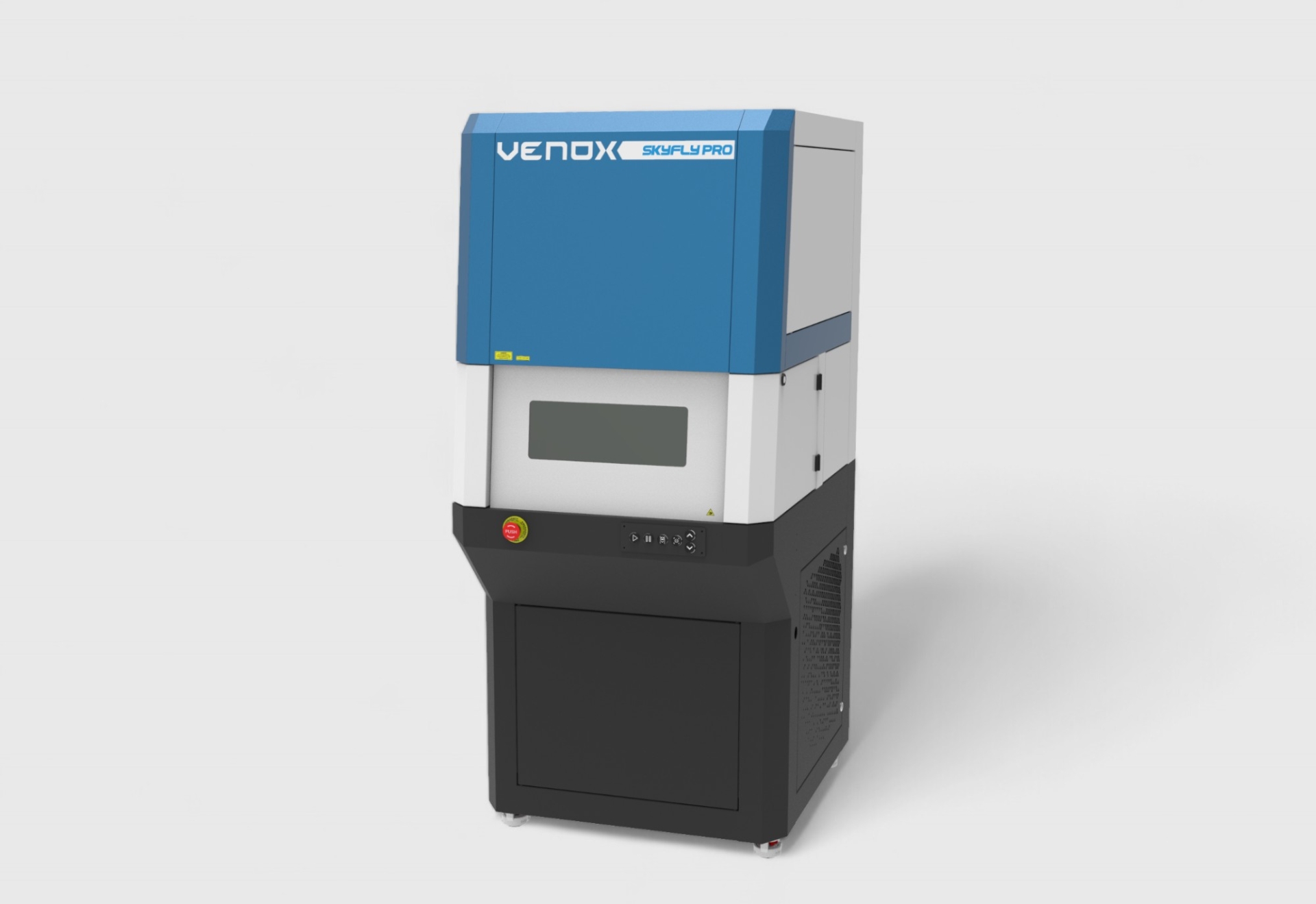
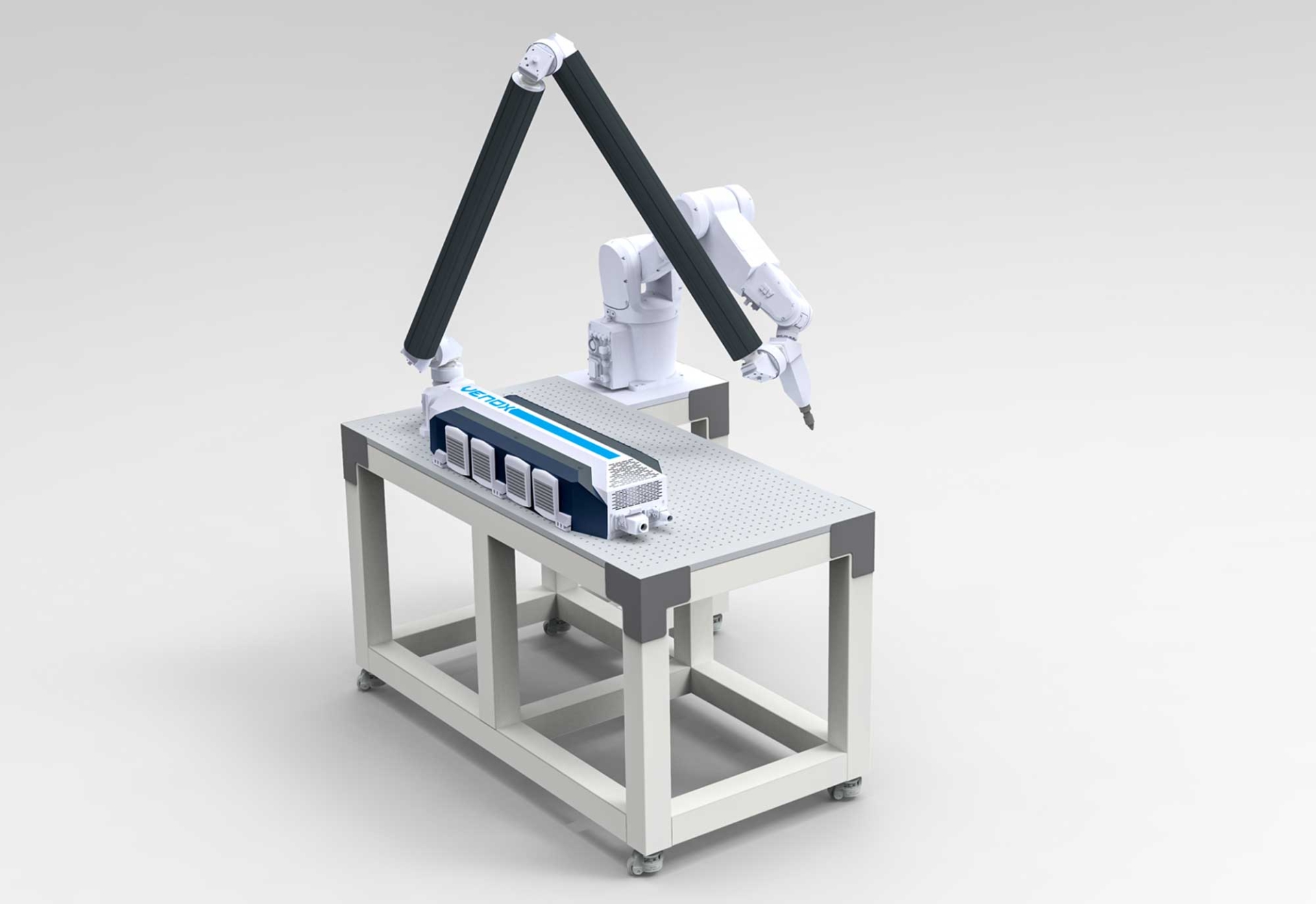
Laser marking systems can be used as standalone workstations or integrated into automated production lines. They can operate together with PLCs, conveyors, robotic arms, sensors, camera systems, and barcode readers.
When a product reaches the marking area, it can be detected automatically, the correct marking file can be selected, and the process can be performed without operator intervention.
After marking is completed, a camera or reader system can inspect the code and verify whether the product has been marked correctly.
Can Be Used on Different Materials
One of the major advantages of laser marking systems is their applicability to different materials. However, the laser source and parameters must be selected according to the material properties.
- Stainless steel
- Aluminum
- Brass
- Copper
- Titanium
- Coated metal surfaces
- Plastic products
- Glass and ceramic surfaces
- Suitable organic materials such as wood and leather
Even products within the same material group may produce different results due to differences in alloys, additives, or surface coatings. Therefore, performing test marking on the actual product is important.
Which Industries Use Laser Marking Systems?
Laser marking systems can be used in many industries that require permanent product identification.
- Automotive and spare parts manufacturing
- Machinery and equipment manufacturing
- Metalworking industry
- Medical device manufacturing
- Electronic component manufacturing
- Defense industry
- Plastic injection molding
- Home appliance manufacturing
- Packaging applications
- Jewelry and promotional products
Since each industry may have different requirements for marking content, speed, durability, and automation, system selection should be based on the specific application.
What Should Be Considered When Choosing a Laser Marking System?
When selecting the appropriate laser marking system, laser power or equipment price should not be the only factors considered. Actual production requirements must be evaluated together with technical criteria.
- The type of material to be marked should be identified.
- The required marking contrast and depth should be defined.
- The marking area and product geometry should be analyzed.
- Serial number and variable data requirements should be determined.
- QR code and DataMatrix code readability should be tested.
- Production capacity and cycle time should be calculated.
- Automation integration should be planned.
- Technical service and after-sales support should be evaluated.
Test marking performed on an actual product sample makes it easier to determine the appropriate laser technology and process parameters.
Venox Laser Marking Systems
Venox offers Laser Marking Systems solutions designed to meet the product identification and permanent coding requirements of different industries. The appropriate system can be determined by evaluating the product material, production capacity, marking area, data to be processed, and automation requirements together.
You can evaluate system options with the Venox team for your serial number, barcode, QR code, DataMatrix code, date, or logo marking applications. For sample testing, technical evaluation, or quotations, you can contact us through the Contact Us page.
Properly configured laser marking systems can combine permanent product identification, digital traceability, high precision, and automation integration within the same production process. Therefore, laser marking is one of the key technologies supporting product tracking and quality management in modern industrial manufacturing.
Frequently Asked Questions
What are laser marking systems?
Laser marking systems are industrial systems that use a laser beam to permanently mark serial numbers, logos, barcodes, QR codes, and various types of information on product surfaces.
Which materials can be marked using a laser marking system?
With the appropriate laser technology, marking can be performed on metals, plastics, glass, ceramics, and certain organic surfaces.
Can a laser marking system be connected to automation systems?
Yes. Integration can be achieved with PLCs, conveyors, robots, sensors, cameras, and barcode reader systems.
Can variable data be processed with laser marking?
Yes. Data that changes from one product to another, such as serial numbers, dates, lot codes, and QR code content, can be marked automatically.
How can I get information about Venox laser marking systems?
To explore Venox's solutions, you can visit the Laser Marking Systems page or contact the Venox team through the contact page for your specific application.
