

What Determines Laser Marking Machine Prices? Purchasing and Total Cost Guide
Laser marking machine prices are not determined solely by the laser power of the machine or the laser source used in it. The selection of fiber, CO₂ or UV laser technology; the marking area, optical system, level of automation, mechanical structure, software features, safety equipment and project-specific integration requirements can all directly affect the total investment cost.
For this reason, when researching a laser marking machine, simply comparing quotations received from different companies is not sufficient. Even if two machines appear to have similar technical specifications at first glance, there may be significant differences in terms of component quality, production speed, software infrastructure, service support and automation capability.
When selecting the right laser marking system for industrial use, not only the initial purchase price but also the total cost that the system will generate for the business over the years should be evaluated. Maintenance, service, production downtime, spare parts, energy consumption, operator time and possible future system expansions are all part of this cost.
Therefore, there is no single answer to the question “how much does a laser marking machine cost?” Correct pricing emerges when the actual production requirements of the business are technically defined.
Technical Factors Affecting the Price of a Laser Marking Machine
1. Fiber, CO₂ and UV Laser Technology
One of the main factors determining the price of a laser marking machine is the laser technology used. Fiber, CO₂ and UV laser systems have different laser sources, optical structures and intended applications.
Fiber laser systems are widely used especially in metal marking applications. They can be considered for serial numbers, logos, DataMatrix codes or engraving applications on stainless steel, aluminum, carbon steel, brass and various metal alloys.
CO₂ laser systems can be used on non-metallic materials such as wood, leather, paper, cardboard and certain types of plastic. UV laser technologies can be preferred for sensitive plastics, electronic components and applications where low heat impact is important.
Since these three technologies use different laser sources and system components, their price levels are also different. However, the technology should be selected according to the material to be marked rather than based solely on price advantage.
2. Laser Power
Laser power is one of the important parameters affecting the price, especially in fiber laser marking machines. Systems with power levels of 20 W, 30 W, 50 W or higher can be used for different applications.
Higher laser power can provide an advantage in certain deep marking, engraving or high-speed applications. However, it is not correct to say that a system is better for every application simply because it has a higher Watt value.
For example, a lower-power system may be sufficient for surface serial number or logo marking, while deep metal engraving may require a different power level.
Selecting unnecessarily high power can increase the investment cost. Selecting insufficient power, on the other hand, may increase cycle time or make it difficult to achieve the targeted marking result.
3. Quality of the Laser Source and System Components
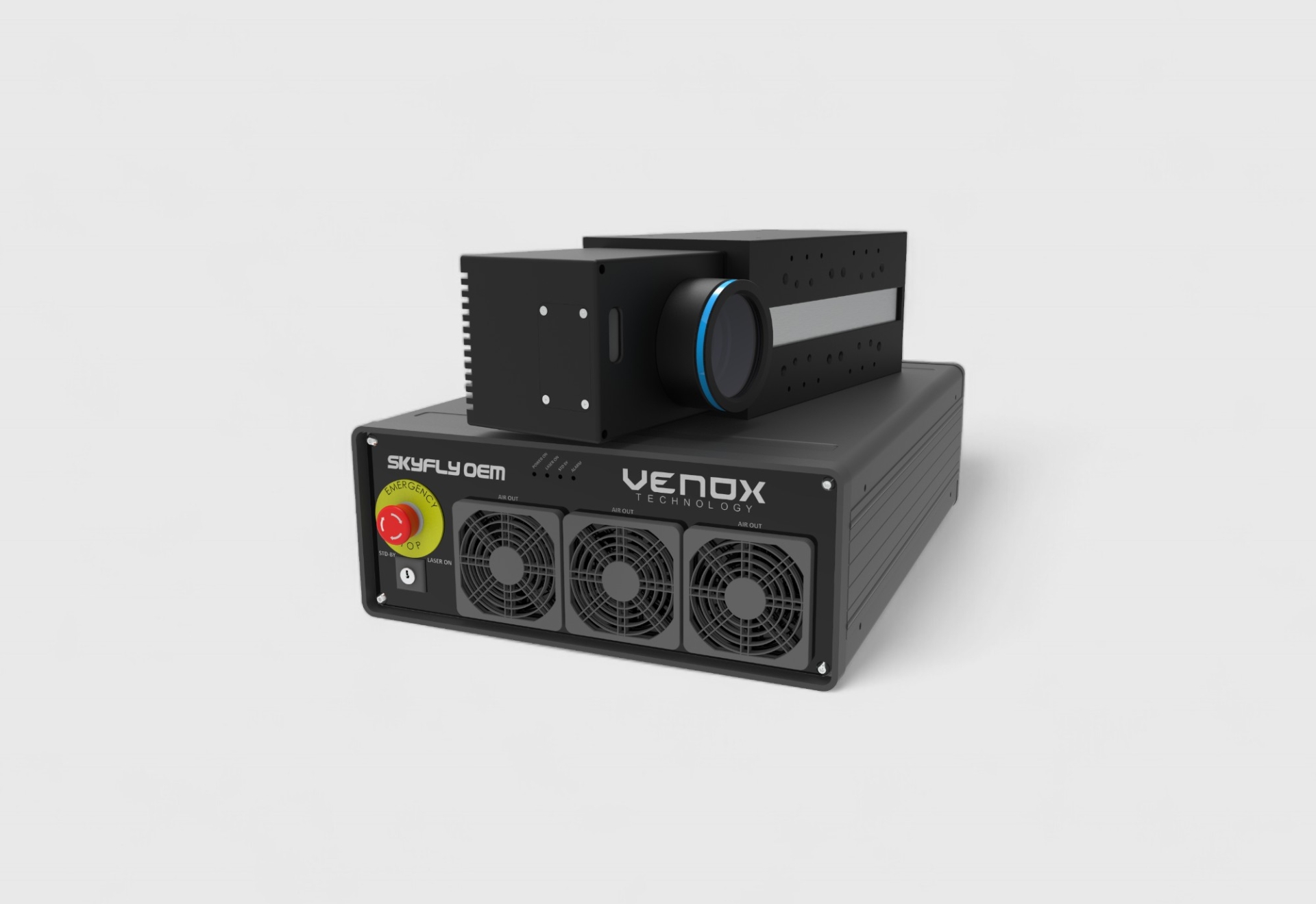
One of the important reasons for price differences between laser marking machines is the technical characteristics and quality level of the components used. The laser source, galvo scanner, optical lens, control board, power supplies, motion systems and electronic components can directly affect machine performance.
Two laser systems with the same power rating may provide different beam quality, operating stability or service life depending on the laser source and optical components used.
For this reason, comparing prices based on a single technical value such as “30 W fiber laser” can be misleading. The components used throughout the entire system should be evaluated.
4. Marking Area and Lens Selection
The marking area is directly related to the lens system to be used. Applications involving the marking of small components and applications involving large metal parts or wide logos do not require the same optical structure.
Lenses providing a larger marking area can offer different working distances and optical characteristics. However, a larger area is not always more advantageous. The level of detail, spot size and marking precision should also be taken into consideration.
In projects requiring multiple marking areas, interchangeable lenses or special optical solutions can be used. This can affect the overall system cost.
5. Mechanical Enclosure and Safety System
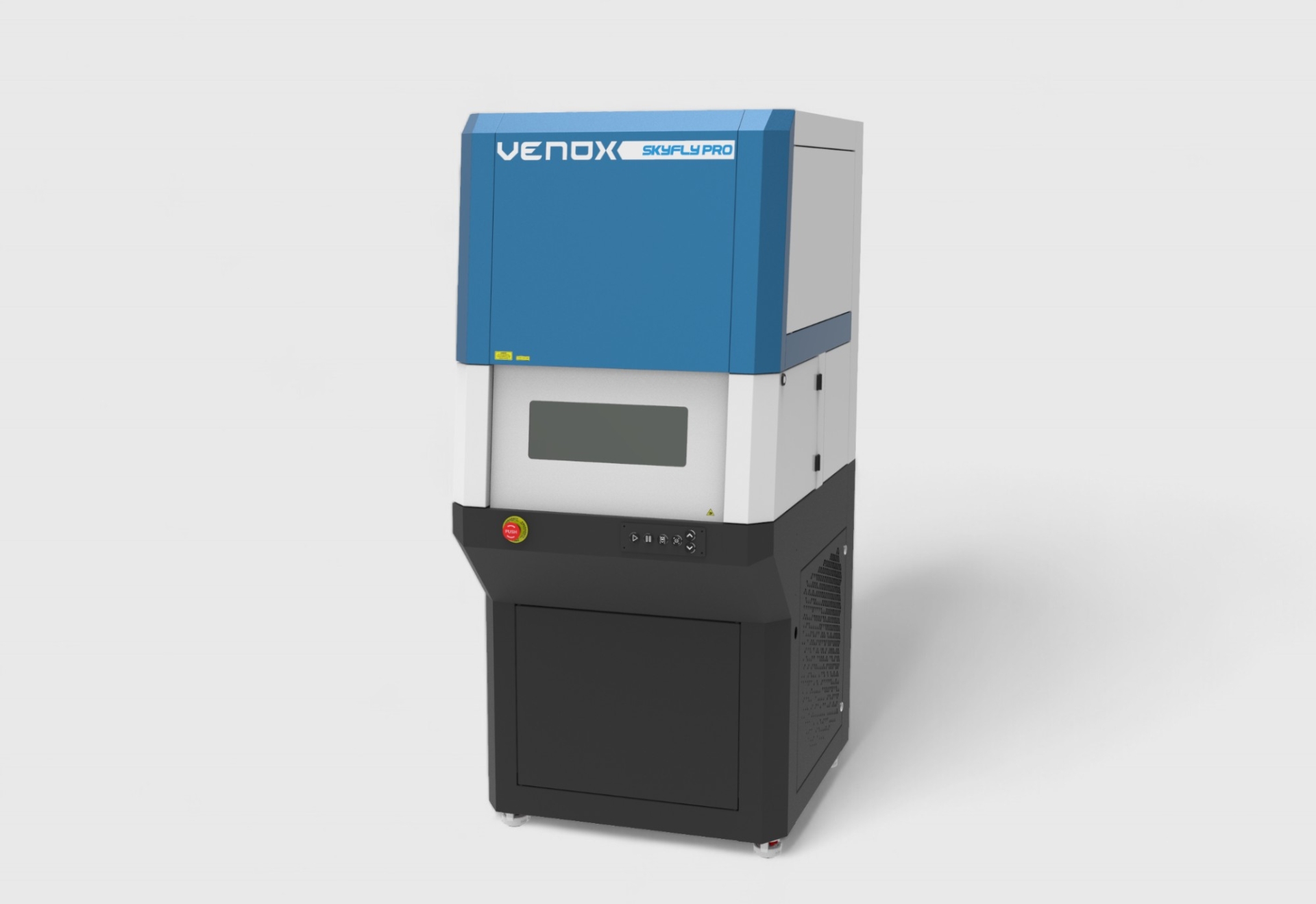
The mechanical structure of an industrial laser marking machine has a significant impact on its price. Different designs can be used, ranging from simple open systems to fully enclosed industrial cabins.
Enclosed cabins, laser safety windows, interlock systems, emergency stop buttons, automatic doors and other components that support operator safety can increase the cost of the machine.
However, laser safety should not be considered a secondary feature where costs should be reduced. An appropriate safety structure should be created by taking into account the environment in which the machine will be used and operator access.
6. Automation and Production Line Integration
The cost of a standard standalone laser marking machine is not the same as that of a system fully integrated into an automated production line.
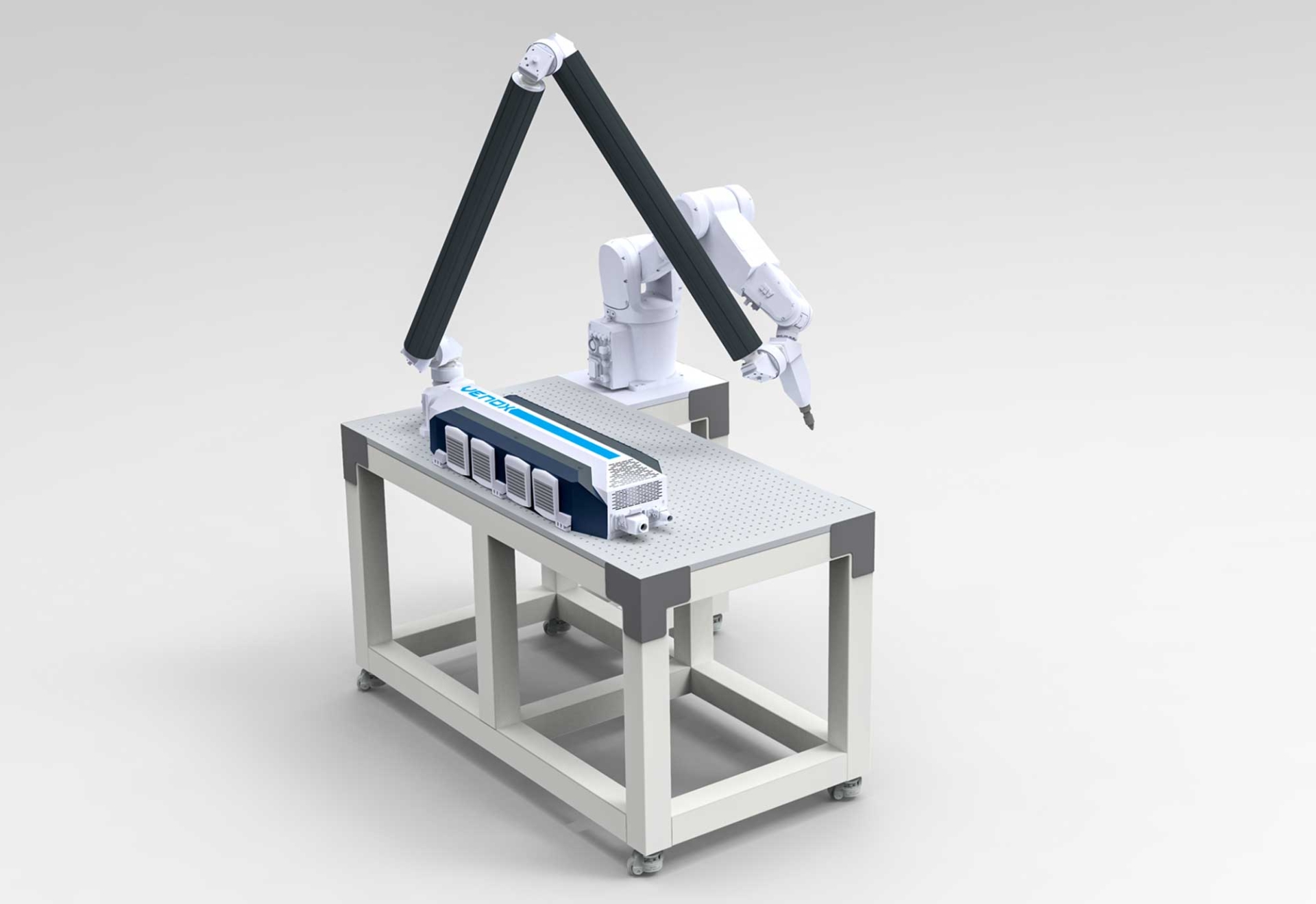
If the product needs to be automatically detected, transported, positioned, marked and verified, sensors, PLCs, conveyors, servo systems, pneumatic mechanisms or robot integration may be used.
For example, if marking needs to be performed while the product is moving on the production line, the system must be designed to match the line in terms of speed and synchronization.
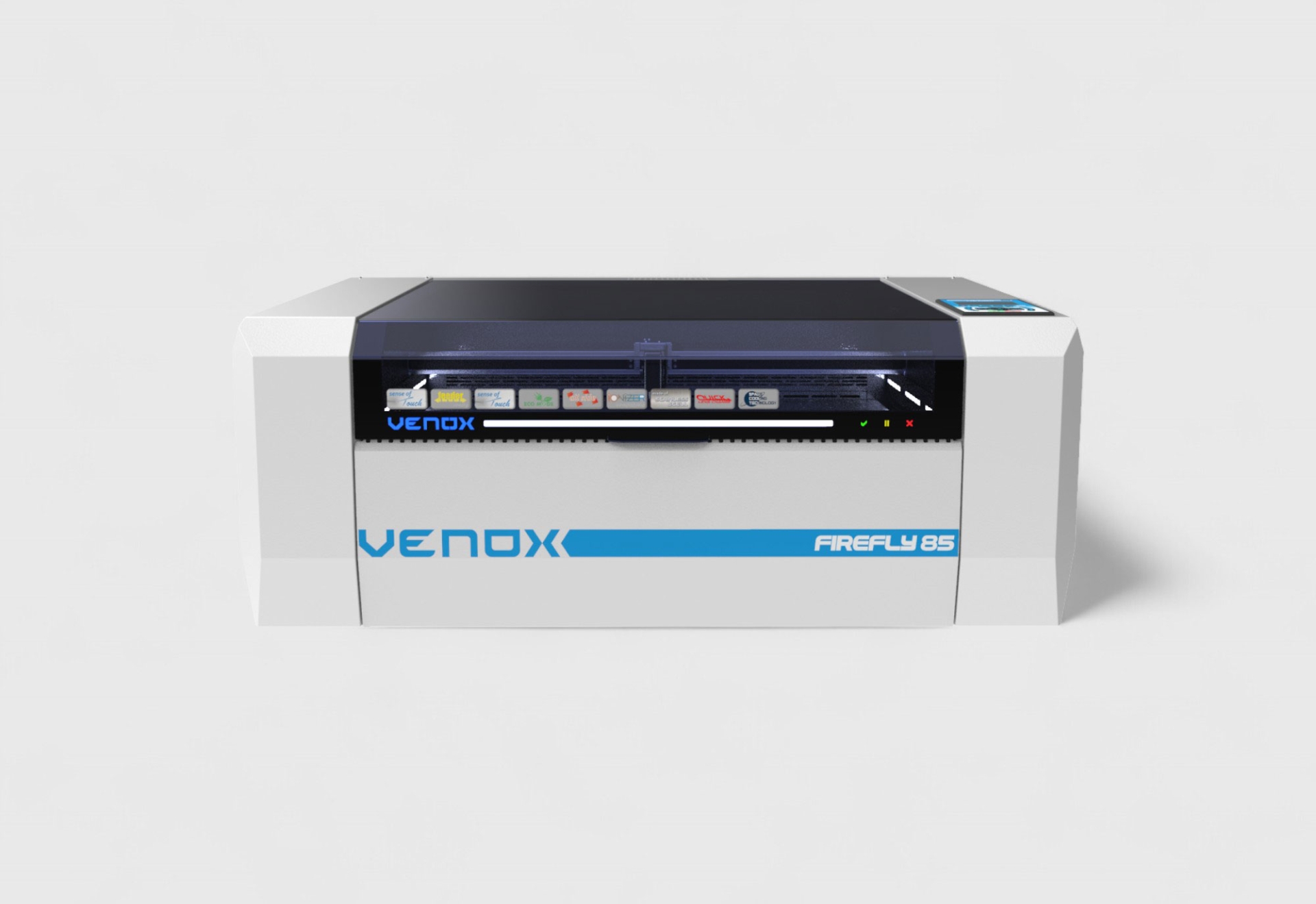
When evaluating Venox's laser marking machines, the standard system and project-specific automation requirements should be considered separately.
7. Camera, Software and Data Integration
If the laser marking system will only process a fixed logo or text, a basic software infrastructure may be sufficient. However, in projects requiring product traceability, the system may need to work with variable data.
Serial numbers, QR codes, DataMatrix codes, production dates or product codes can be generated automatically. This data can be obtained from an ERP, MES, PLC or another database.
Camera systems can be used to determine the position of the product before marking or to check the readability of the code after marking.
Since these types of software and image processing integrations expand the scope of the system, they can also affect the total project cost.
How Should Total Cost Be Evaluated When Purchasing a Laser Marking Machine?
8. Difference Between a Standard Machine and a Custom Project
For some businesses, a standard laser marking station is sufficient. The operator places the product in the machine, starts the marking process and removes the product after the process is completed.
However, in some production processes, the product may be very large, heavy or have complex geometry. Cylindrical parts may require circumferential marking, different heights may need to be adjusted automatically or products may need to be processed on a conveyor.
In such cases, components such as a rotary axis, motorized Z axis, X-Y motion system, automatic fixture or custom mechanical design may be required.
When project-specific engineering is required, the system cost may increase. However, a properly designed custom system can provide long-term advantages in terms of production efficiency.
9. Technical Service and After-Sales Support
When purchasing a laser marking machine, evaluating only the delivery price of the machine can lead to an incorrect comparison in the long term. The quality of technical service and after-sales support is an important part of the system's actual operating cost.
A failure of a laser system operating at a critical station in production may cause the entire production line to stop or reduce capacity. For this reason, how quickly technical support can be accessed is important.
Services such as remote support, on-site service, spare parts availability, periodic maintenance and operator training should be evaluated as part of the purchasing decision.
A system with a low initial purchase price but limited access to technical support may create higher long-term costs due to production downtime.
10. Maintenance and Spare Parts Costs
Although laser marking systems are technologies with limited mechanical contact, they are not completely maintenance-free machines. Optical surfaces may need to be cleaned, motion systems checked, filters replaced and electronic components inspected regularly.
Depending on the technology used in CO₂ laser systems, the maintenance structure of the laser source or different consumable components may vary. In fiber and UV systems, the laser source, cooling structure and optical components may also have different service requirements.
Before purchasing, the maintenance intervals of the system and the availability of critical spare parts should be determined.
11. Cost of Production Downtime
One of the most important hidden costs in industrial systems is production downtime. If a laser marking machine is a mandatory station on the production line, it may not be possible for products to become ready for shipment when the system is not operating.
For this reason, it is necessary to evaluate not only the cost of the part or service, but also the capacity loss that occurs during the period when the machine is not operating.
Reliable components, correct machine design, regular maintenance and fast technical service can help reduce the risk of production downtime.
12. Production Capacity and Operator Efficiency
The machine's cycle time is also an important criterion in the total cost calculation. If a lower-priced system performs the same marking in a longer period of time, capacity loss may occur in high-volume production.
For example, a difference of only a few seconds per product can translate into a significant amount of production time in a facility producing thousands of parts throughout the day.
Similarly, systems that require manual focusing, product positioning or continuous recipe changes can increase operator time. Automatic focusing, recipe management and correct fixture design can accelerate the workflow.
13. Adaptability to Future Production Requirements
Since a laser marking system is a long-term investment, it should be evaluated not only for the current product but also for products that may be manufactured in the future.
Over time, the marking area may change, different materials may enter production or production capacity may increase. The ability to expand the existing system with different lenses, fixtures or automation components can delay the need for investment in a new machine.
For this reason, although a modular and adaptable system structure may slightly increase the initial investment cost, it can provide a long-term cost advantage.
14. Avoiding Price Comparison Without Sample Testing
Before comparing laser marking machine quotations, it is important to perform a sample marking test on the actual product. This is because a proposed system may appear suitable on paper but may not deliver the desired result on the actual material.
During sample testing, marking contrast, processing time, surface effect, code readability and, if required, engraving depth should be evaluated.
When the same test is performed on different systems, technical performance and price can be compared together. This approach prevents decisions from being made solely on the basis of purchase cost.
15. Making a Decision Based on Total Cost of Ownership
The most reliable comparison method for a laser marking investment is total cost of ownership. Total cost of ownership includes not only the purchase price of the machine, but also all direct and indirect expenses that may arise throughout the years of system use.
The initial investment, maintenance, service, spare parts, energy, production losses, operator time, software and future integrations can be included in this calculation.
Therefore, a machine with a lower purchase price may not always be the more economical option. Likewise, a higher-priced system cannot automatically be considered the better investment.
The right investment is the system that technically meets the company's production requirements and creates a sustainable cost structure throughout the expected operating period.
When evaluating Venox's laser marking machines and systems, the material, laser technology, marking area, production speed and automation requirements can be considered together.
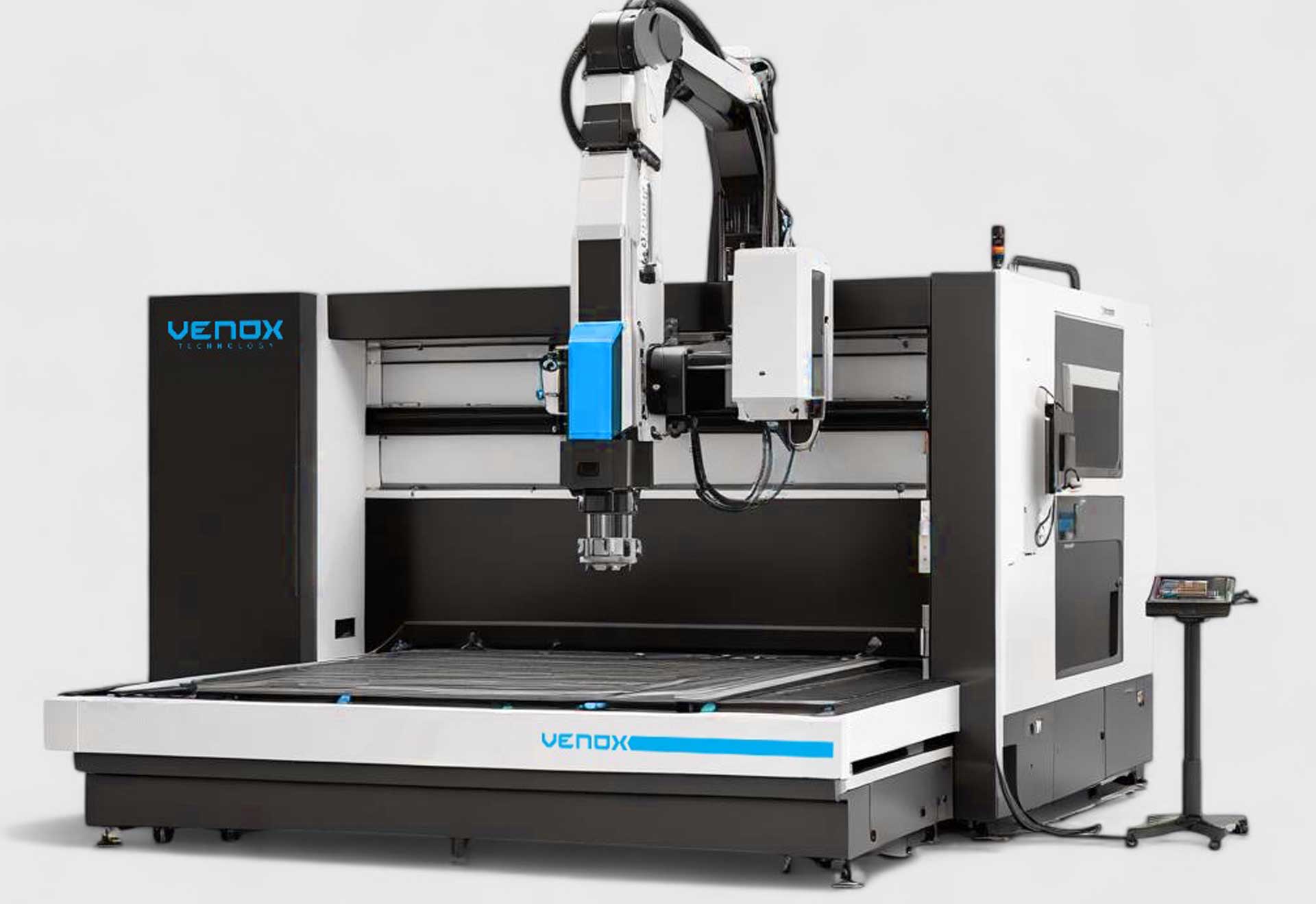
For applications requiring a cutting process instead of marking or in addition to marking, laser cutting systems can be reviewed.
For information about system selection, sample testing, automation requirements or project-specific technical requirements for your laser marking machine investment, you can contact Venox.
