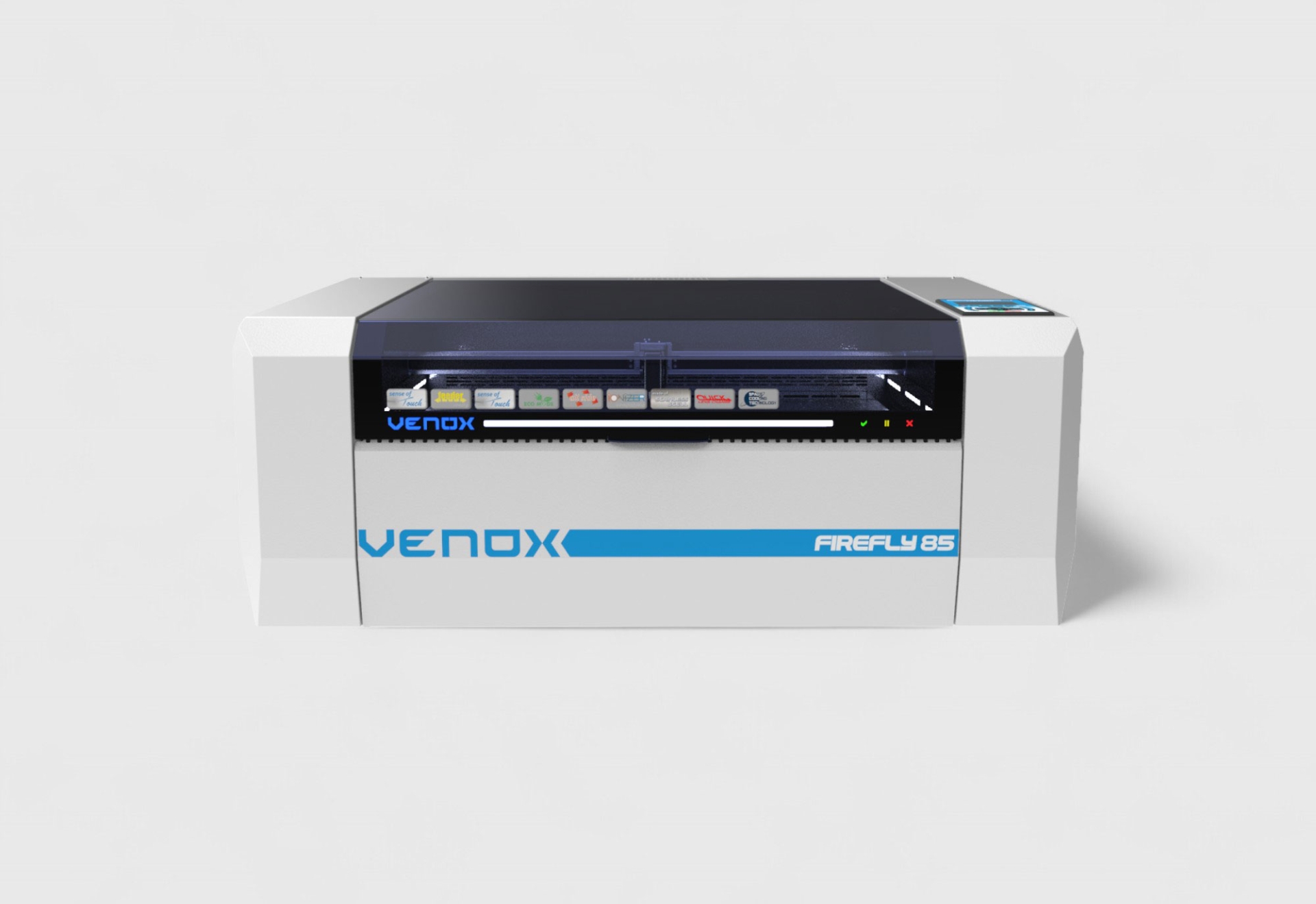
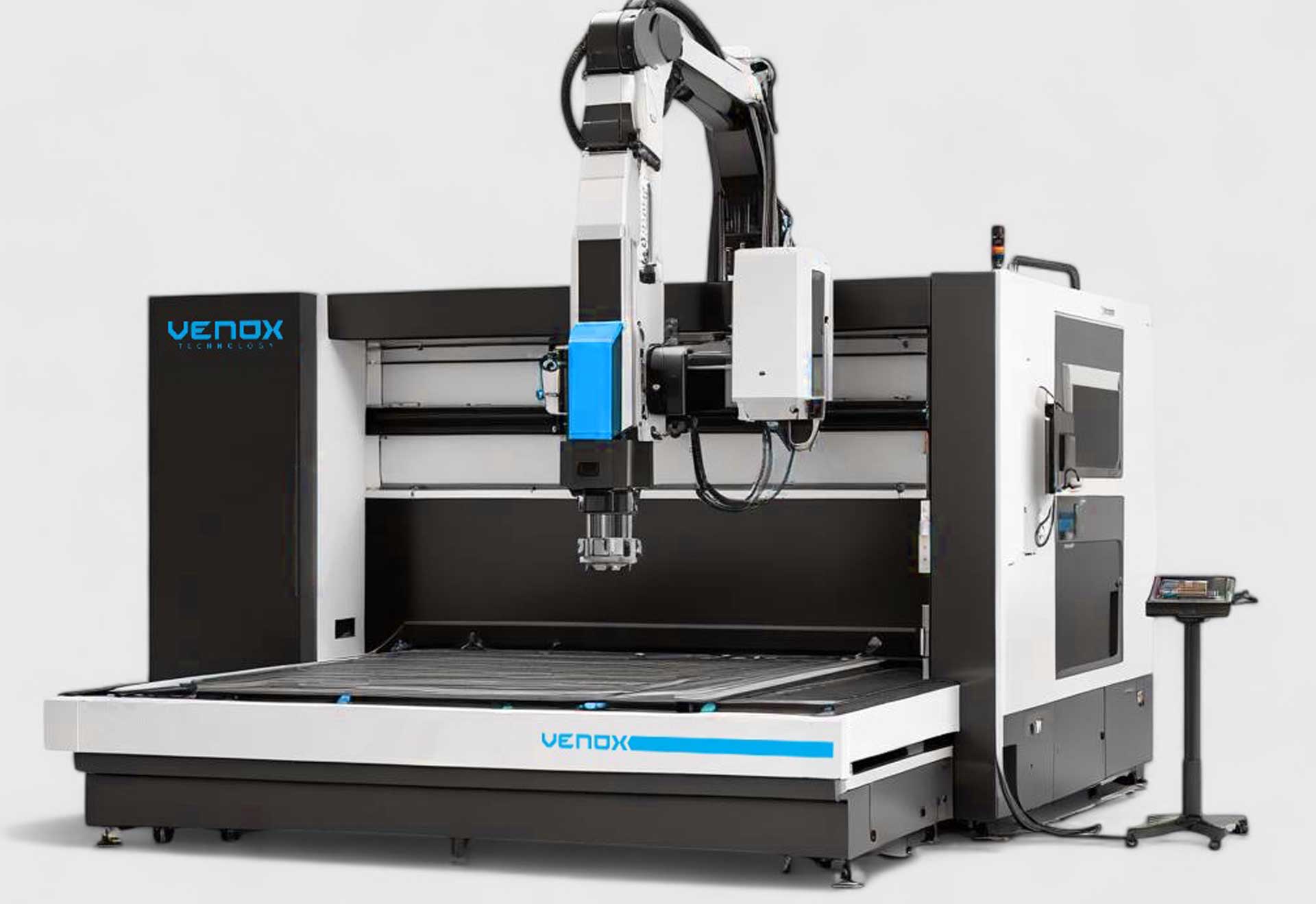

What Is Fiber Laser Marking? Applications in Metal Marking and System Selection
Fiber laser marking is one of the industrial laser technologies used particularly for permanent, fast and precise marking of metal surfaces. It can be used to apply serial numbers, logos, barcodes, QR codes, DataMatrix codes, production dates, part numbers and technical information directly onto the product surface.
Fiber laser systems are preferred in many manufacturing industries due to their high beam quality, fast operating structure, low maintenance requirements and suitability for automation. They are widely used especially in applications requiring the identification and traceability of metal parts.
However, when selecting a fiber laser marking system, it is not sufficient to consider laser power alone. The type of material to be marked, surface coating, desired marking depth, production speed, marking area and whether the system will be integrated into the production line should all be evaluated together.
A properly configured fiber laser marking machine can be used both as a standalone workstation and as part of an automated production line.
How Does Fiber Laser Marking Work and Which Materials Can It Be Used On?
Operating Principle of Fiber Laser Technology
In fiber laser systems, the laser beam is generated through a fiber-optic structure and directed onto the surface to be marked through optical components. The high energy density of the laser beam can create controlled physical or chemical changes on the material surface.
The result of the marking process varies depending on the material used and the laser parameters that are set. In some applications, a color change or contrast is created on the surface, while in others, a controlled amount of material can be removed from the surface to perform engraving or deep marking.
The galvo scanning system enables the laser beam to move across the surface at high speed. This allows complex shapes, text, logos and codes to be processed in a short period of time.
Which Metals Can Be Marked with a Fiber Laser?
Fiber laser marking technology can deliver strong results particularly on metal materials. Materials that can be used may include stainless steel, carbon steel, aluminum, anodized aluminum, brass, copper, titanium and various metal alloys.
However, even products within the same metal group may have different surface characteristics. Coating, paint, oxide layer, alloy composition or surface roughness can affect the marking result.
For this reason, it is important to perform a sample test on the actual product whenever possible before selecting the system.
Fiber Laser Marking on Stainless Steel
Stainless steel is one of the materials commonly used in fiber laser marking applications. Serial numbers, logos, barcodes, DataMatrix codes or technical information can be applied to the product.
Depending on the application parameters, high-contrast markings, color changes or engraving-like results can be created on the surface. Stainless steel marking is particularly common in automotive, machinery, medical, white goods and industrial component manufacturing.
The depth and appearance of the marking are influenced not only by laser power but also by scanning speed, frequency, focusing and pulse characteristics.
Fiber Laser Marking on Aluminum
Aluminum and anodized aluminum are important application areas for fiber laser systems. Laser marking can be preferred particularly on electronic housings, machine parts, industrial labels and technical components.
On anodized surfaces, high-contrast markings can be achieved depending on the properties of the coating. Raw aluminum, on the other hand, may require different parameters depending on the desired appearance and surface effect.
For this reason, the variety of products to be used within the same system should be evaluated in advance.
Steel, Brass and Copper Applications
Metals such as carbon steel, brass and copper can also be marked using suitable fiber laser parameters. Laser marking can be used especially on mechanical parts, fasteners, electrical and electronic components and industrial accessories.
For highly reflective materials such as copper, laser parameters may need to be determined carefully. Processing quality is directly related to the laser source and optical system used.
For this reason, the system should be configured by considering the marking quality, speed and depth required by the application.
What Should Be Considered When Selecting a Fiber Laser Marking Machine?
How Is Laser Power Determined?
Fiber laser marking machines can be offered with different power options. Systems with 20 W, 30 W, 50 W and higher power levels can be used in different applications.
However, higher power does not always mean better marking. The purpose of the application, the structure of the material, the desired processing time and marking depth are more important when determining the appropriate power level.
The requirements of superficial serial number or logo marking are not the same as those of deep engraving applications. Therefore, the actual usage scenario should be taken as the basis when selecting laser power.
Marking Area and Lens Selection
In fiber laser systems, the marking area may vary depending on the lens system used. While larger marking areas can offer advantages in some applications, factors such as beam intensity and marking precision should also be taken into consideration.
A narrow working area may be sufficient for small and precise components, whereas a larger area may be required for marking large parts.
For this reason, product geometry and the size of the area to be marked are important elements of the system design.
Serial Number, QR Code and DataMatrix Marking
One of the most important application areas of fiber laser technology is product traceability. By applying a unique serial number, QR code or DataMatrix code to each product, a connection can be established between the physical product and digital production data.
The code content can be generated automatically or received from a central production system. This can reduce the need for manual data entry in mass production.
DataMatrix codes may be preferred particularly in the automotive, electronics, medical and machinery industries because they can provide high data density within small areas.
Production Line Integration
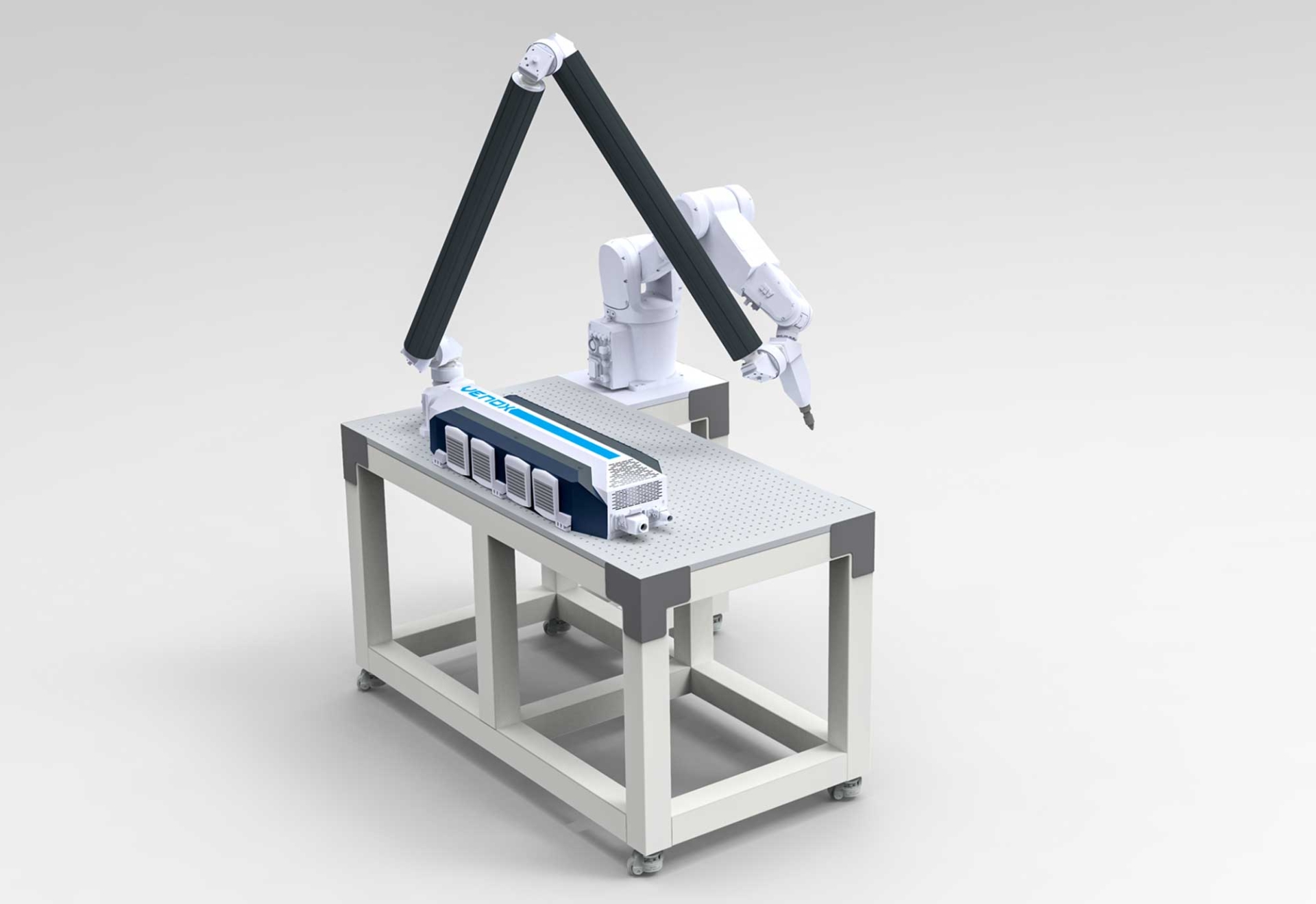
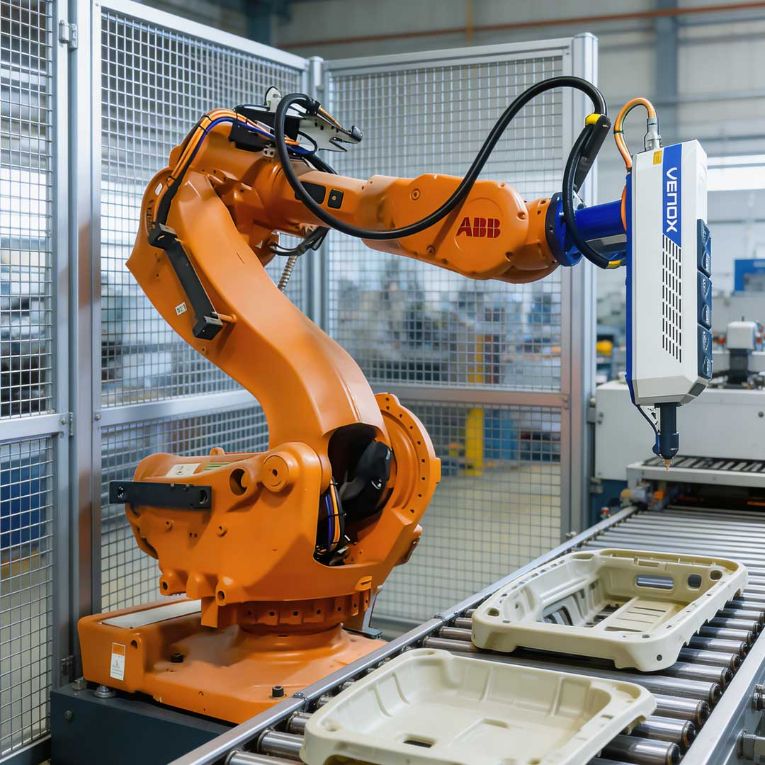
Fiber laser marking systems are not used only as standalone machines. In high-volume production environments, they can operate in an integrated manner within the production line.
After the product is detected by a sensor, the laser system can automatically begin the marking process. The PLC or production management system can transmit the required data to the marking software.
After marking is completed, the accuracy and readability of the code can be checked using a camera system. In this way, the production process can become automated and traceable.
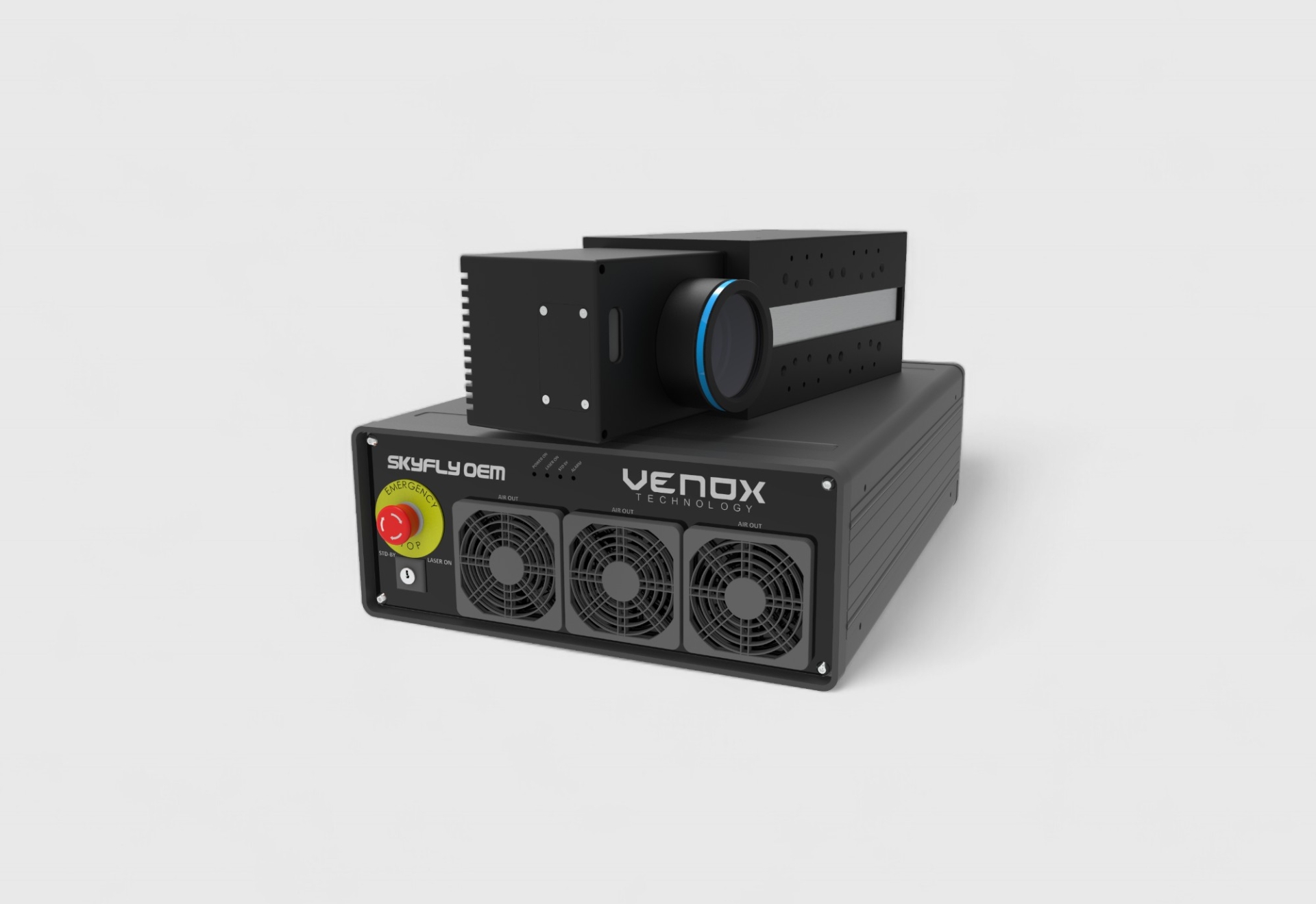
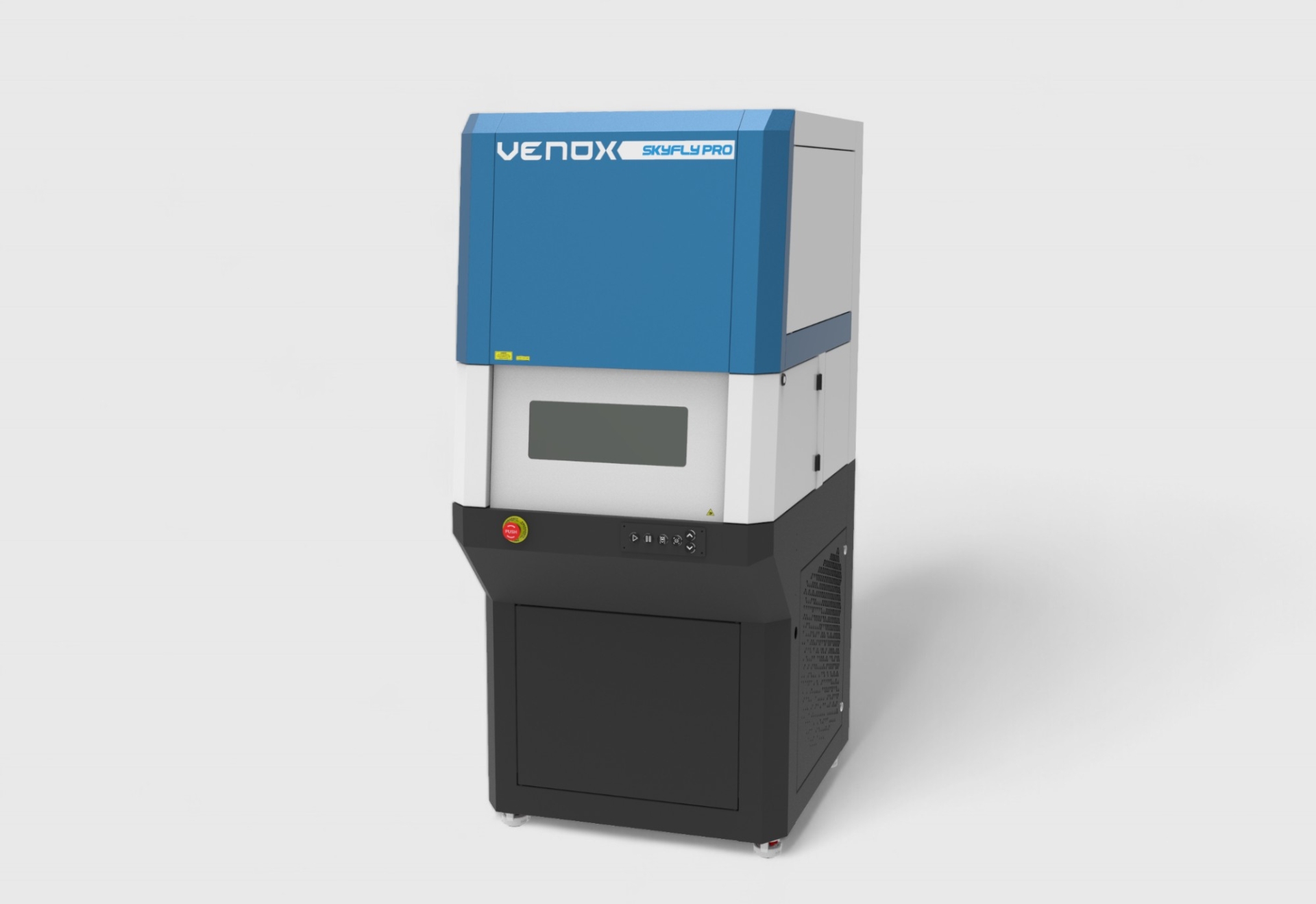
Venox's laser marking machines can be considered within standalone or integrated system structures depending on different production requirements.
Fixtures and Part Positioning
To ensure that marking quality remains consistently the same, the part must be positioned correctly and repeatably in relation to the laser. For this reason, fixture design is particularly important in mass production.
Incorrect or inconsistent positioning can cause the marking position to shift, the focal level to change or code readability to decrease.
The positioning process can be standardized by using product-specific fixtures, rotary axes, motorized Z axes or different motion systems.
Difference Between Deep Marking and Surface Marking
Fiber laser marking applications are not limited to creating a visual mark on the surface. In some projects, material may need to be removed from the surface to create engraving at a specific depth.
In deep marking applications, parameters such as processing time, laser power, scanning strategy and number of repetitions become important.
Surface marking can generally be performed with shorter cycle times and may provide an advantage for mass production.
The method to be used should be determined according to the product's operating conditions, durability expectations and visual requirements.
Importance of Sample Testing
Before purchasing a fiber laser marking system, performing tests on the actual product whenever possible is one of the most reliable methods.
During sample testing, marking contrast, surface effect, processing time, depth, readability and code quality can be evaluated.
At the same time, the results of different laser parameters can be compared to create the most suitable processing recipe for production.
This approach makes it possible to observe the actual application performance rather than selecting the system solely based on technical catalog data.
Industrial Applications of Fiber Laser Marking
Fiber laser marking technology can be used in many industries, including automotive, defense, electronics, medical, machinery, white goods, electrical equipment, mold manufacturing, fasteners and metalworking.
Serial numbers and traceability codes can be applied to automotive parts, technical information can be marked on machine components, product identities can be applied to electronic components and permanent data can be marked on metal labels using laser technology.
The same technology can be adapted to different requirements, ranging from decorative logo applications to automated DataMatrix marking on production lines.
When evaluating Venox fiber laser solutions, the type of material, production volume, cycle time, marking area and integration requirements should be considered together.
To compare different laser technologies and review the appropriate system for your application, you can visit the laser marking machines and systems page.
To obtain information about determining the fiber laser marking system to be used in your production, sample applications or project-specific integration requirements, you can contact Venox.
