
What Is Industrial Laser Marking? A Permanent Solution for Production
Industrial laser marking is an advanced technology that enables parts and products used in production to be marked permanently, legibly, and without contact. Serial numbers, barcodes, QR codes, DataMatrix codes, production dates, batch information, logos, and technical symbols can be applied directly to metal, plastic, glass, ceramic, and various industrial surfaces using laser energy.
In today’s production processes, products must not only be manufactured but also correctly identified and traceable. For this reason, industrial laser marking has become a critical solution in terms of quality control, product traceability, brand reliability, and production automation.
Key Features of Industrial Laser Marking Technology
How Does Industrial Laser Marking Work?
In industrial laser marking systems, the beam emitted from the laser source is focused onto the product surface with the help of optical components. Text, codes, logos, or graphics prepared in the software are applied to the surface through the controlled movement of the laser beam.
The marking result may vary depending on the structure of the material. On metal surfaces, color change, annealing, or controlled engraving can be applied, while on plastic surfaces, color transformation, foaming, or surface effects can be created. Therefore, selecting the correct laser source and parameters directly affects marking quality.
Why Is Permanent Coding Important?
Products used in industrial production must remain identifiable throughout their life cycle. Labels may fall off over time, ink-based prints may fade, or they may be affected by environmental conditions. Laser marking, however, applies the information directly to the product surface.
This feature is especially important for long-life products, technical components, and equipment exposed to demanding operating conditions. Thanks to the permanent code that remains on the product, part identity, production date, and technical information can be preserved for a longer period.
Serial Number and Product Identification
A serial number creates the unique identity of a product. Even if thousands of parts produced in the same model look identical, each product can be assigned a different serial number. This allows products to be tracked individually throughout production, warehousing, shipment, and service processes.
Industrial laser marking systems can automatically generate serial numbers and process different data on each part. This structure reduces manual data entry and helps create a more organized tracking system in mass production.
Digital Traceability with QR Code and DataMatrix
QR codes, barcodes, and DataMatrix codes are widely used for digital traceability in production processes. The code applied to the product surface by laser can be matched with records in the production tracking system or database.
When the code is scanned, information such as the product’s production date, batch number, quality control results, technical specifications, or maintenance history can be accessed. DataMatrix codes are especially preferred in industries such as automotive, medical, electronics, and defense because they provide high data density in small areas.
Advantages of Industrial Laser Marking
The main reason laser marking technology is preferred in production is not only permanent marking. Speed, precision, automation compatibility, and low consumable requirements also make these systems important for industrial production.
- Provides permanent and durable marking.
- Does not require physical contact with the product surface.
- Enables the processing of small characters and detailed codes.
- Supports serial number and variable data marking.
- In most applications, it does not require consumables such as ink or labels.
- Can adapt to high-volume mass production.
- Can be integrated with automation and quality control systems.
On Which Materials Is It Used?
Industrial laser marking can be applied to many surfaces using different laser sources. However, since each material reacts differently to the same laser technology, material analysis is important.
- Stainless steel
- Aluminum
- Brass and copper
- Titanium
- Coated metal surfaces
- Plastic products
- Glass surfaces
- Ceramic parts
- Certain organic materials such as wood and leather
Different technologies can be evaluated depending on the application, such as fiber lasers for metal applications, CO2 lasers for organic materials, and UV lasers for sensitive plastic or electronic applications.
In Which Industries Is It Used?
Industrial laser marking is preferred in many industries where product identification and traceability are required.
- Automotive and spare parts manufacturing
- Machinery and equipment manufacturing
- Metalworking industry
- Medical device manufacturing
- Electronic component manufacturing
- Defense industry
- Plastic injection molding
- White goods industry
- Packaging applications
- Jewelry and promotional products
Automation Integration in Mass Production
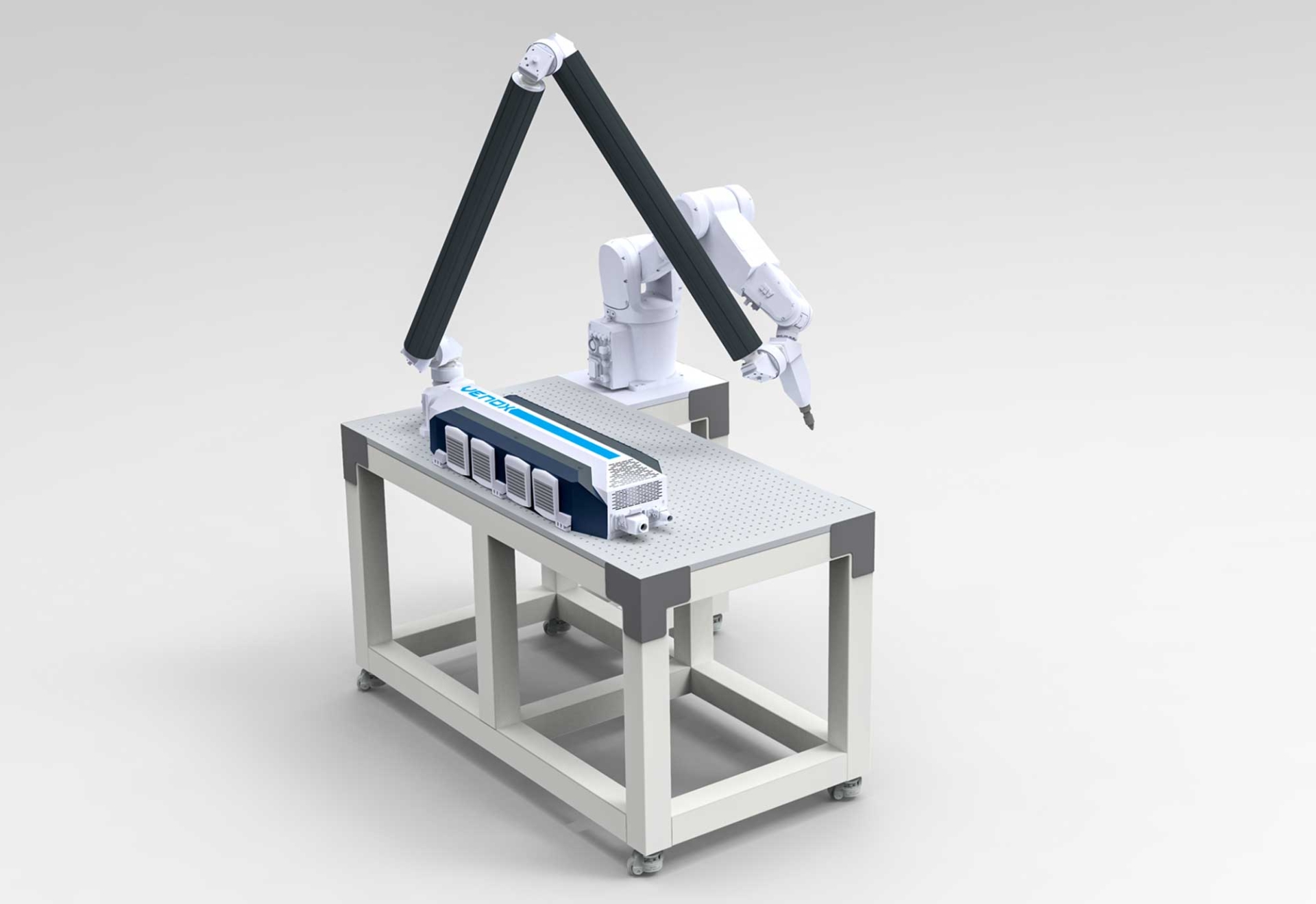
Industrial laser marking systems can be used as manual stations or integrated into fully automated production lines. Conveyors, PLC systems, robotic arms, sensors, camera systems, and barcode readers can operate together with the marking process.
For example, a product arriving on the production line can be detected by a sensor, the system can determine the product type and automatically select the relevant marking file. After marking is completed, the camera system can check the accuracy of the code. In this way, quality control can be automated while maintaining production speed.
How to Select the Right Industrial Laser Marking System?
The right system should not be selected based solely on laser power. Actual production conditions and application expectations should be analyzed together.
- The type of material to be marked should be determined.
- The product dimensions and marking area should be calculated.
- The desired contrast and marking depth should be defined.
- The need for a serial number, QR code, or DataMatrix should be determined.
- Production capacity and cycle time should be calculated.
- The need for automation integration should be evaluated.
- A sample test should be performed on the actual product.
- Technical service and after-sales support should be taken into consideration.
Sample marking is an important step in selecting the right system. A test performed on the actual product allows marking quality, contrast, processing time, and code readability to be evaluated together.
Venox Industrial Laser Marking Solutions
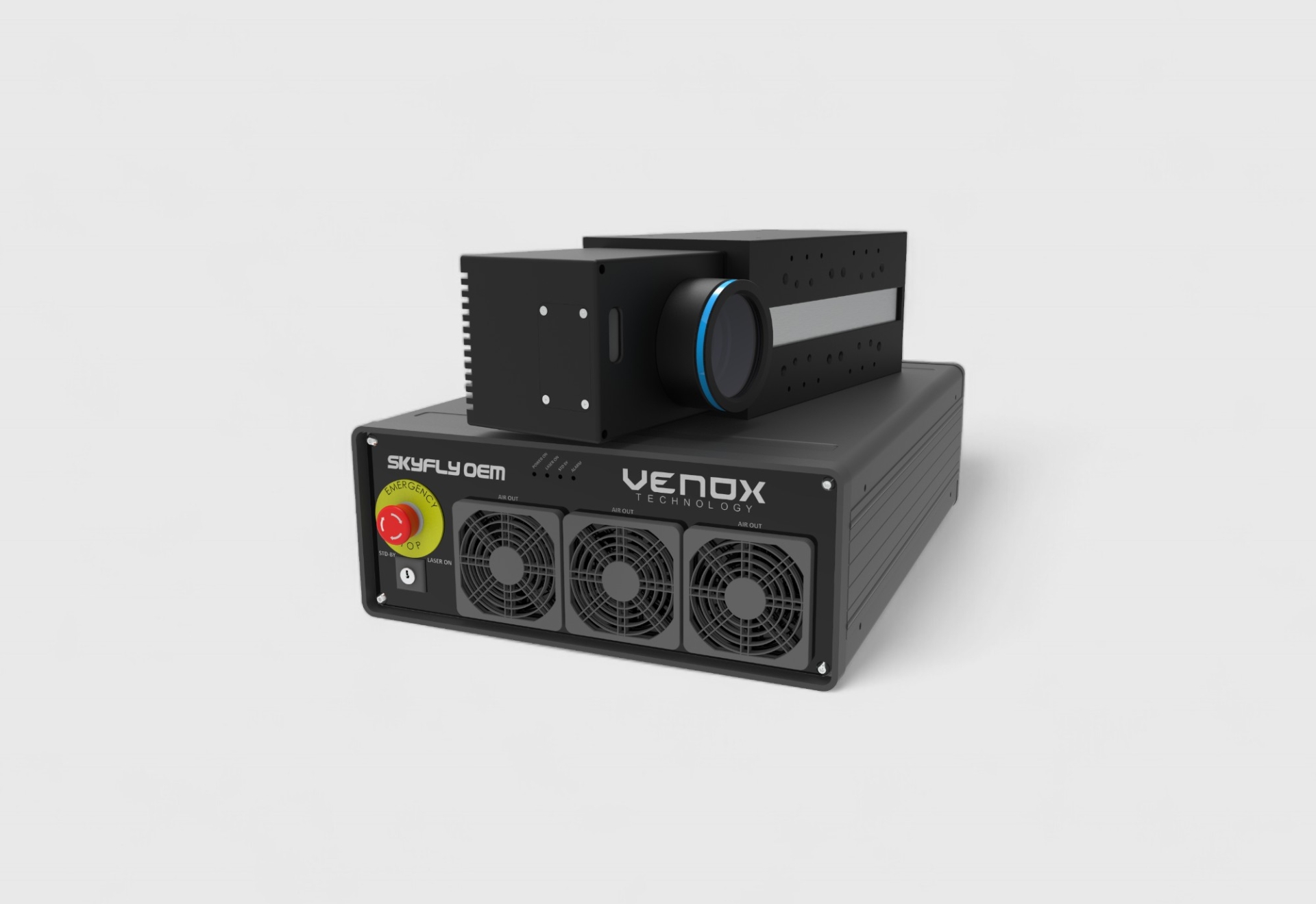
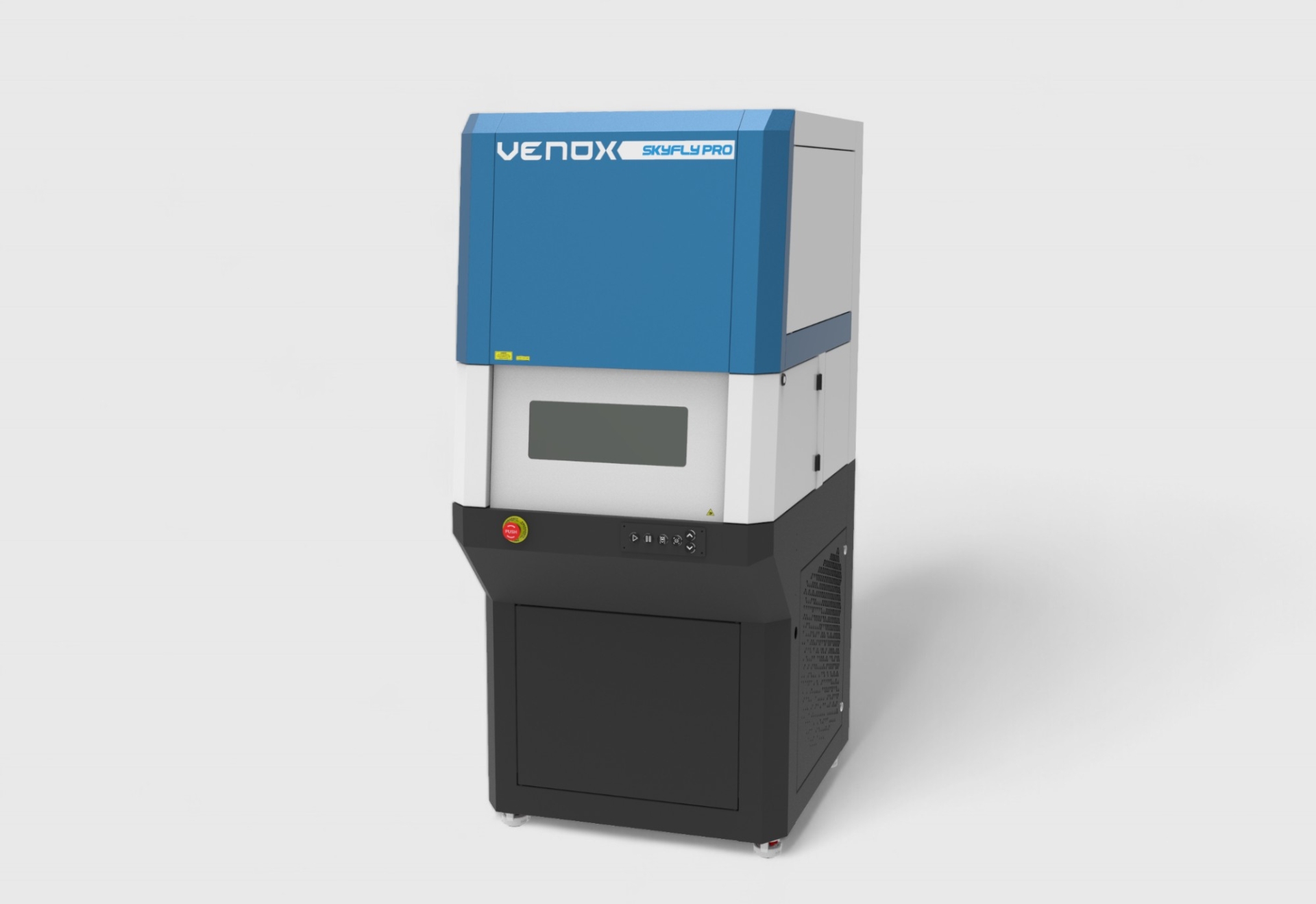
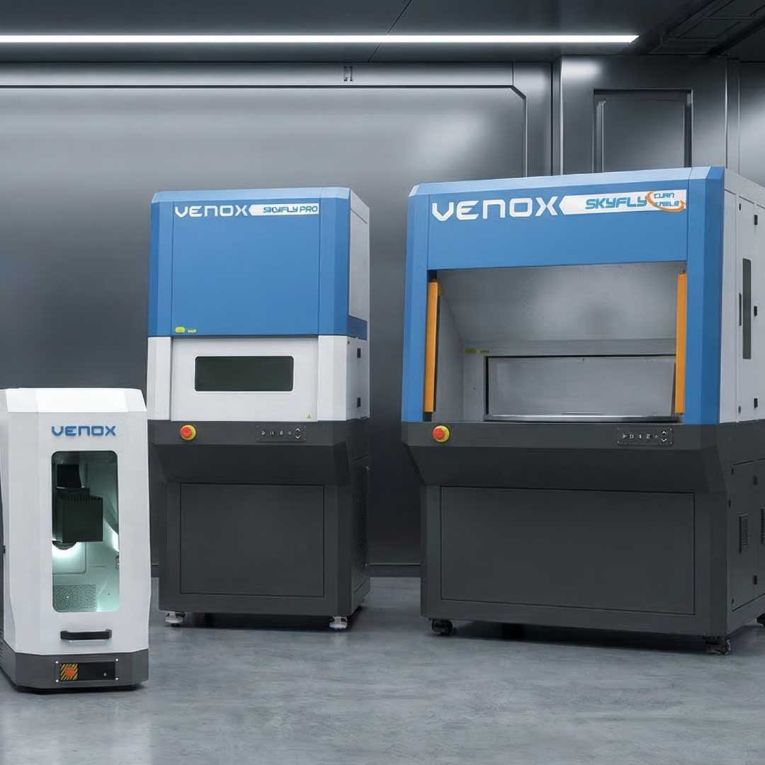
Venox offers Laser Marking Machines solutions for the permanent coding and product identification needs of different industries. The appropriate laser marking system can be determined by evaluating the product’s material structure, production volume, marking content, and automation requirements together.
You can benefit from Venox laser technologies for your serial number, barcode, QR code, DataMatrix code, date, or logo marking needs. To evaluate your application, perform testing on a sample, or request a quotation, you can contact the Venox team through the Contact Us page.
A properly configured industrial laser marking system enables products to be permanently identified and the production process to be monitored in a more controlled manner. Thanks to speed, precision, low consumable requirements, and automation compatibility, laser marking is one of the key technologies in modern industrial production.
Frequently Asked Questions
What is industrial laser marking?
Industrial laser marking is the process of permanently applying serial numbers, barcodes, QR codes, logos, or technical information onto a product surface using a laser beam.
Is industrial laser marking permanent?
Yes. Since laser marking creates the information directly on the material surface, it provides long-lasting and durable marking in many applications.
On which materials can industrial laser marking be used?
Marking can be performed on stainless steel, aluminum, brass, copper, titanium, plastic, glass, ceramic, and other suitable surfaces using different laser technologies.
Can laser marking be integrated into an automated production line?
Yes. The laser marking system can be integrated with conveyors, PLCs, robotic arms, sensors, cameras, and barcode reader systems.
Does Venox offer industrial laser marking solutions?
To review Venox’s industrial laser marking solutions, you can visit the Laser Marking Machines page or contact the Venox team regarding your application through the contact page.
