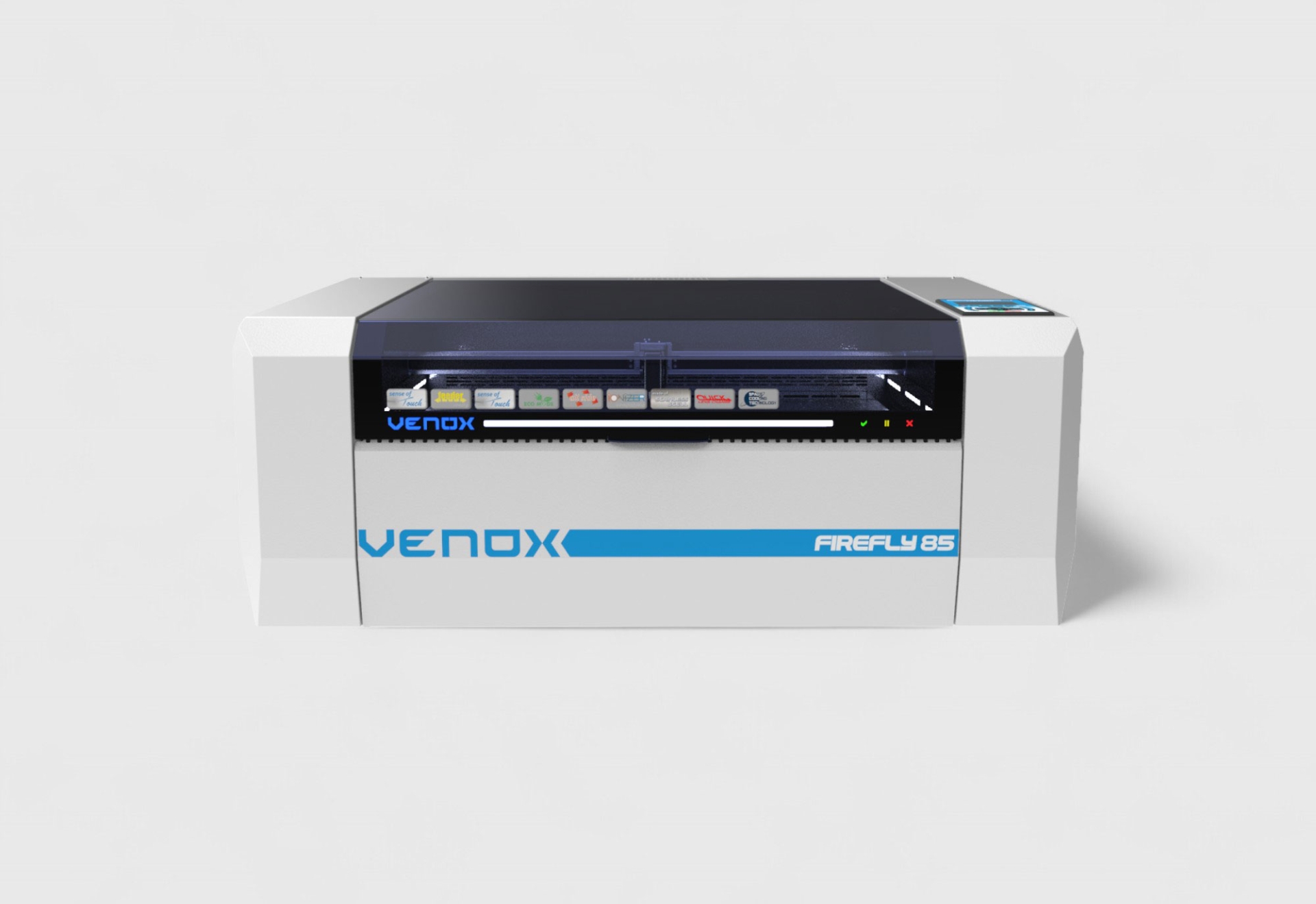
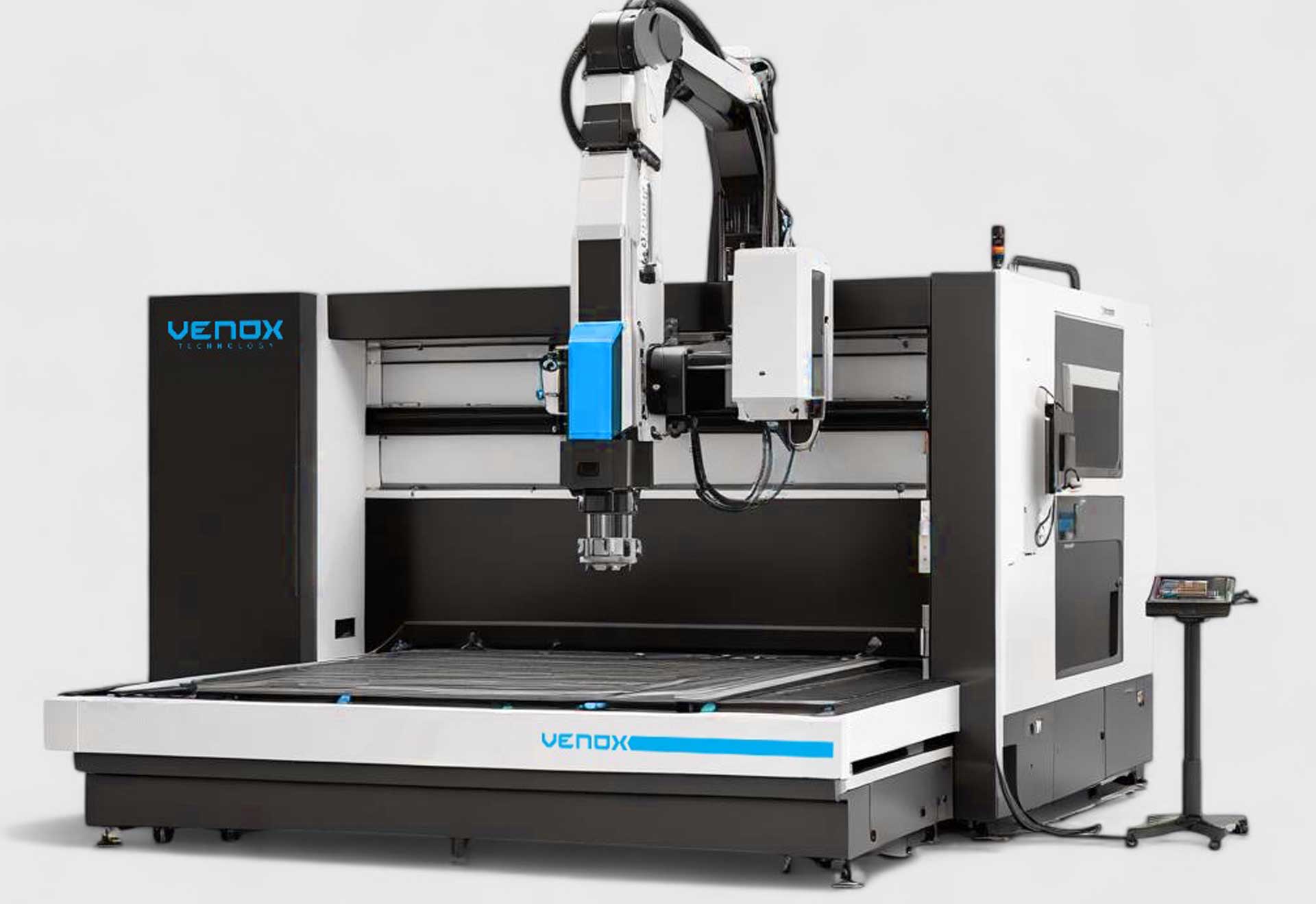

Venox is a technology brand specializing in laser technologies used in industrial production processes, offering laser marking, laser cutting, and systems designed for different manufacturing requirements. Various technical requirements, ranging from the material to be marked to the operating structure of the production line, play an important role in determining the appropriate laser technology and system architecture.
Industrial laser systems are not merely machines used to engrave text or logos onto a product. Today, they have a much broader range of applications, including serial number generation, QR code and DataMatrix marking, part identification, product traceability, transferring production data onto physical products, and automated marking on production lines.
In Venox's solution approach, it is also important to consider laser technology as an integral part of the production process. Depending on the application, different laser sources, marking areas, optical systems, motion mechanisms, and automation components can be used.
For this reason, when selecting a laser system, considering only the laser power or the price of the machine is not sufficient. The material to be marked, the required marking quality, cycle time, production volume, integration requirements, and the industrial environment in which the system will operate should all be evaluated together.
Which Laser Technologies and Industrial Solutions Does Venox Work With?
Laser Marking Systems
Laser marking is a technology that creates permanent or highly durable markings by processing the material surface with a controlled laser beam. Logos, text, serial numbers, production dates, barcodes, QR codes, DataMatrix codes, or various identification data can be applied to the product.
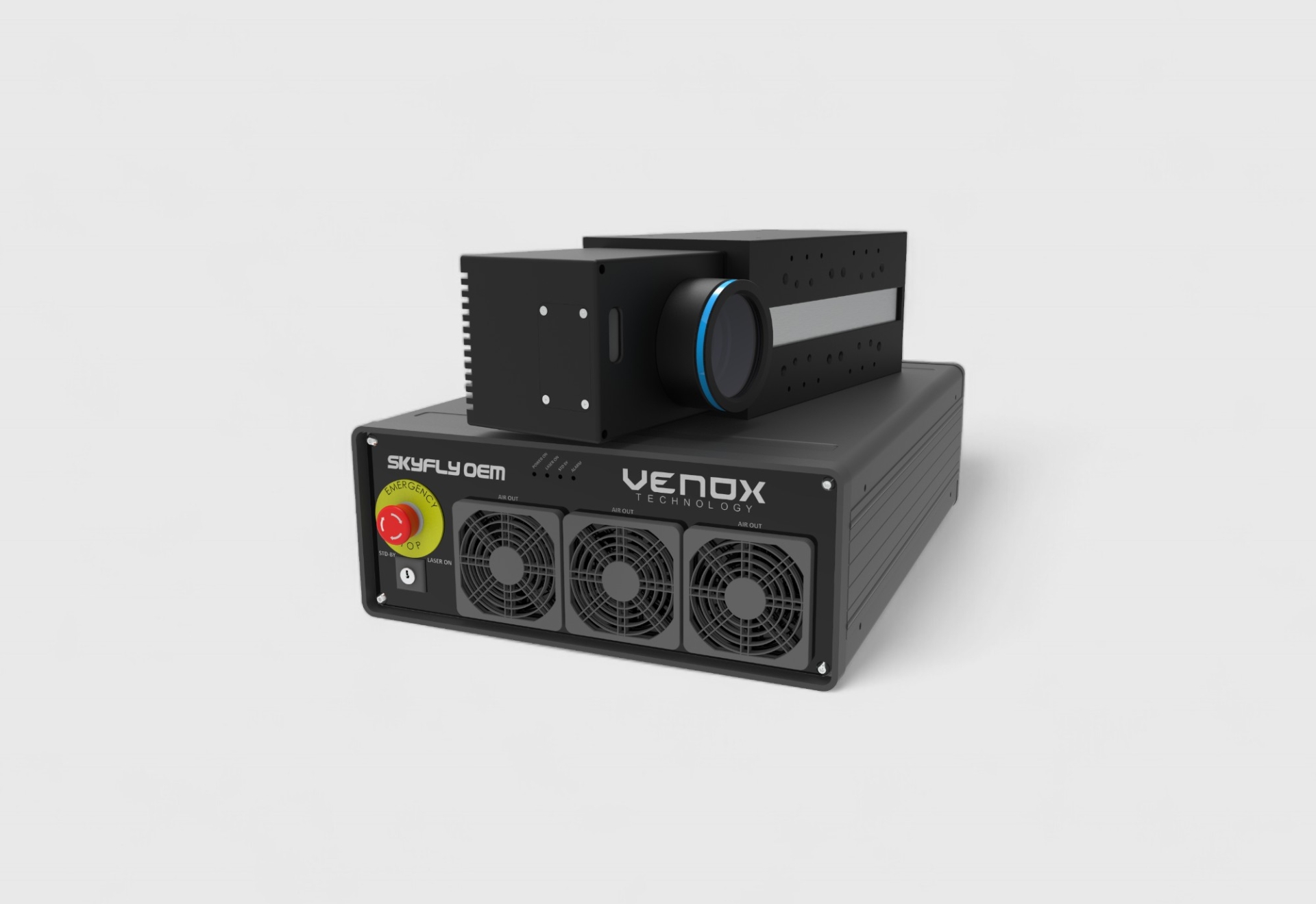
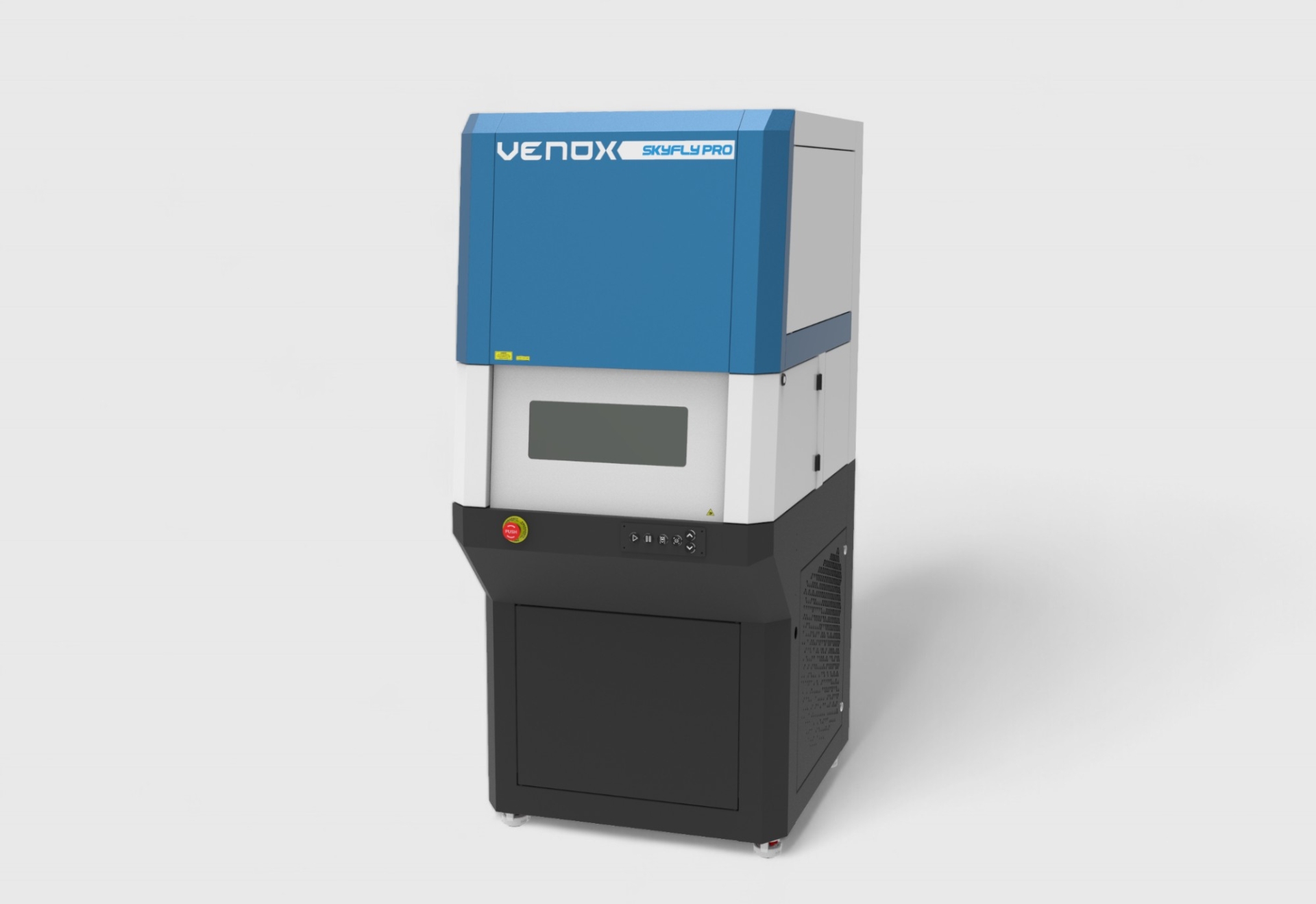
Venox's laser marking machines offer solutions aimed at creating suitable systems for different materials and production scenarios. The laser technology used for applications on metal, plastic, and various industrial materials may vary depending on the physical and chemical properties of the material.
At this point, simply performing the marking process may not be sufficient. The readability and durability of the marking, its compatibility with production speed, and its ability to be verified by camera systems when necessary are also important aspects of the application.
Fiber Laser Marking Technology
Fiber laser systems are widely used particularly in industrial marking applications performed on metal surfaces. They can be preferred for product identification on stainless steel, aluminum, carbon steel, brass, and various metal alloys.
Fiber laser technology can be used in mass-production environments due to its high beam quality, fast marking capability, and structure suitable for industrial manufacturing. The appearance obtained after marking may vary depending on the properties of the material, laser parameters, and the purpose of the application.
For example, marking a serial number on an automotive component and applying a logo to a decorative metal surface are not the same process. Therefore, parameters such as laser power, frequency, scanning speed, focusing, and marking area must be determined according to the application.
CO₂ Laser Systems
CO₂ laser technologies can be considered for marking or processing many non-metal materials. Wood, leather, paper, cardboard, certain types of plastics, and organic-based surfaces are among the common application areas of CO₂ lasers.
The system architecture may vary depending on whether the application is intended for marking or cutting. For more detailed information about cutting applications, the laser cutting systems page can be reviewed.
UV Laser Marking Technology
UV laser technologies stand out in applications that require high precision and where the heat effect needs to be kept to a minimum. UV laser systems may be preferred especially for certain plastics, electronic components, and sensitive surfaces.
When choosing between fiber, CO₂, or UV lasers, it would not be accurate to state that one technology is absolutely better than another. The appropriate technology is determined according to the material to be marked and the targeted result.
For example, the laser system requirements of a company primarily producing metal components will not be the same as those of a company manufacturing plastic electronic components. For this reason, application tests performed on samples are an important stage in system selection.
Industrial Product Traceability
One of the most important applications of laser marking systems in modern manufacturing facilities is product traceability. By applying a unique serial number, DataMatrix, or QR code to the manufactured part, it becomes possible to track the part throughout the production process.
These codes can be associated with the production date, batch number, production line, operator, product model, or other data defined by the company. In this way, a connection can be established between the physical product and its digital production record.
Traceability is one of the important components of production management, particularly in the automotive, electronics, defense, medical, white goods, and other mass-production industries.
Automation and Production Line Integration
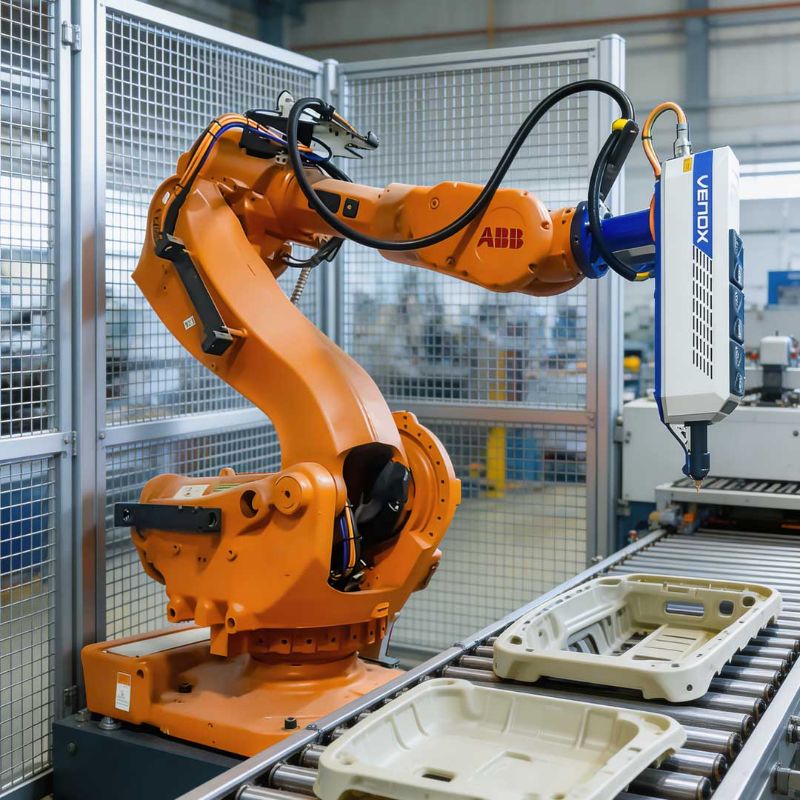
The need for laser marking is not always limited to a standalone desktop machine. In high-volume manufacturing facilities, the laser system can become a direct part of the production line.
The product can be detected by a sensor, the marking process can start automatically when it reaches the correct position, and once the operation is completed, the product can continue moving along the production line. Depending on the project requirements, PLCs, sensors, motion systems, conveyors, camera systems, and various automation components can be incorporated into the process.
This approach transforms the laser marking system from a standalone device into a controlled station within the production process.
Which Production Requirements Can Venox Laser Systems Address?
Laser Marking Across Different Industries
The application areas of laser marking technology are not limited to a single industry. Laser technologies can be used in many sectors where products need to be permanently identified.
In the automotive industry, serial numbers or DataMatrix codes can be applied to metal parts and components. In the electronics industry, component identification and product coding operations can be performed. In the machinery industry, manufacturer information, technical specifications, and serial numbers can be marked directly onto products.
Depending on the application, laser marking solutions can also be used in defense, medical, white goods, electrical and electronics, mold manufacturing, fasteners, cable, plastics, packaging, and various supplier industries.
Each industry has different requirements. While high speed may be the priority in some applications, micron-level precision, high contrast, or maintaining the marking throughout the product's service life may be more important in others.
Project-Specific Laser Systems
In industrial manufacturing, it is not always possible to solve every application with a standard machine. The geometry of the part, production volume, operator usage, safety requirements, or the structure of the existing production line may require a project-specific configuration.
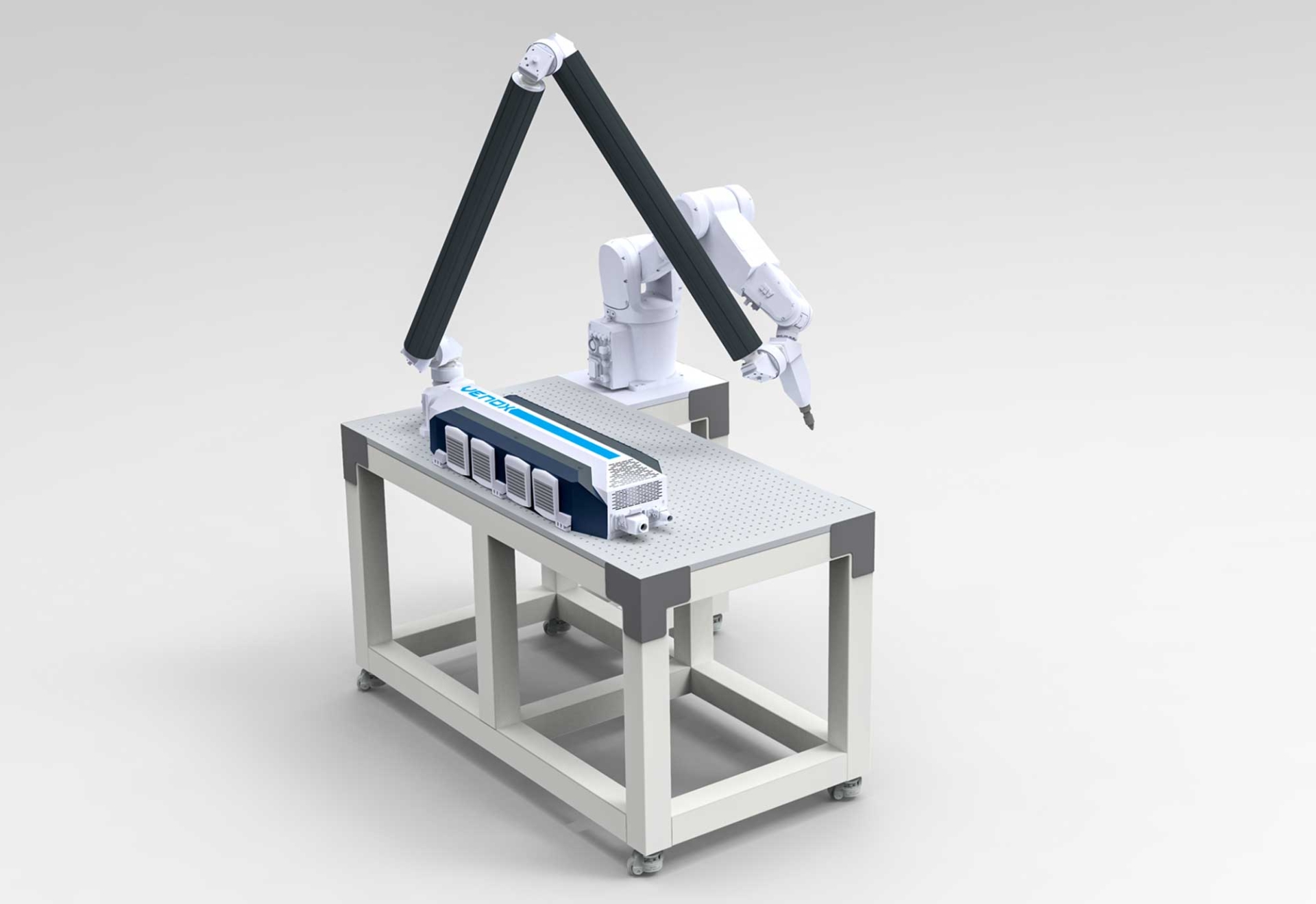
In such projects, in addition to determining the laser source, the mechanical system may also need to be designed according to the application. Part fixtures, protective enclosures, automatic doors, rotary axes, linear motion systems, conveyors, cameras, or various automation components can be incorporated into the system.
For this reason, when evaluating industrial laser systems, it is important to consider not only the machine models listed in the catalog but also the manufacturer's approach to developing application-specific solutions.
Technical Evaluation in Laser Marking Machine Selection
The first step in selecting the right laser marking machine is analyzing the part to be marked. Making a selection based solely on laser power without knowing the material type, surface coating, product geometry, and targeted marking result is not a reliable approach.
Key criteria that can be considered include the laser source technology, laser power, marking area, lens, focal distance, marking speed, part height, cycle time, automation requirements, safety structure, and software requirements.
For example, although 20 W, 30 W, and 50 W fiber lasers belong to the same technology family, they do not produce the same results in every application. Higher power does not always mean higher-quality marking. The appropriate power level and the correct optical configuration should be evaluated together.
For more detailed product-based information about Venox's laser marking solutions, the laser marking machines and systems page can be reviewed.
After-Sales Technical Support and Long-Term Use
When evaluating an industrial machine, considering only the initial purchase cost is not sufficient. The number of years the system will be used in production, maintenance requirements, access to technical support, consumables and spare parts requirements, and the potential cost of production downtime should also be taken into account.
For this reason, the total cost of ownership is an important criterion when selecting a laser system. A machine that initially appears advantageous in terms of investment cost may result in higher long-term costs if it operates below the required production capacity or fails to deliver the expected application results.
Performing a technical analysis of the application before system installation, carrying out sample marking whenever possible, and evaluating the company's future production requirements contribute to a more reliable investment process.
Venox aims to provide solutions for companies requiring laser marking and industrial laser systems, ranging from evaluating the technical requirements of the application to determining the appropriate system configuration.
If you are planning an investment in a new laser marking system, want to add a laser marking station to your existing production line, or need to determine which laser technology is suitable for your application, you can contact Venox to obtain information about the technical requirements of your project.
