
What Should Be Considered When Choosing Laser Marking Machines?
Laser marking machines are important technologies that enable products to be marked permanently, quickly, and contactlessly in industrial production. However, the same laser marking system may not be suitable for every business. Choices made without properly analyzing criteria such as the material to be marked, production capacity, part size, marking speed, automation needs, and technical support can lead to inefficiency and additional costs in the long term.
Choosing the right laser marking machine does not only mean meeting today’s production needs. Future capacity increases, the need for marking on different materials, quality standards, and traceability expectations should also be taken into account. Therefore, when selecting laser marking machines, technical, operational, and commercial factors should be evaluated together.
Why Is the Selection of a Laser Marking Machine Important?
A laser marking machine is an investment that directly affects quality, speed, and traceability processes on the production line. An incorrectly selected system may result in low marking quality, slower production speed, or failure to achieve the desired result on certain materials.
For example, a fiber laser system preferred for metal surfaces may not provide the same performance on some organic materials. Likewise, a low-capacity system suitable for manual use may not be sufficient for a business carrying out high-volume mass production. Therefore, during the selection process, not only price but also application needs and production goals should be taken into consideration.
The Type of Material to Be Marked Should Be Determined
When selecting laser marking machines, the first issue to be evaluated is the type of material to be marked. Because every laser source does not produce the same result on every surface. Metal, plastic, glass, ceramic, leather, wood, or coated surfaces may require different laser technologies.
Laser Marking for Metal Surfaces
Fiber laser marking systems are generally preferred on stainless steel, aluminum, brass, copper, titanium, and similar metals. These systems provide clear, durable, and readable marking results on metal surfaces. Metal marking is widely used in the automotive, machinery manufacturing, defense industry, and medical sectors.
Laser Marking on Plastic Products
When laser marking is performed on plastic surfaces, the chemical structure of the material should be taken into account. While color change occurs in some plastics, foaming or surface effects may occur on some surfaces. For this reason, test marking on plastic products is important for selecting the right system.
Glass, Ceramic, and Sensitive Surfaces
Laser parameters must be correctly adjusted on glass, ceramic, and sensitive surfaces. Incorrect power or focus settings may cause cracking, blurry marking, or unwanted deformation on the surface. In such applications, laser technology suitable for the product structure should be selected.
The Right Laser Source Should Be Selected
Laser marking machines can be produced with different laser sources. Fiber laser, CO2 laser, and UV laser systems stand out in different materials and different applications. Selecting the right laser source is critically important in terms of marking quality and system efficiency.
Fiber Laser Marking
Fiber laser marking offers high performance especially on metal surfaces. It is suitable for processing logos, serial numbers, barcodes, QR codes, and technical information on stainless steel, aluminum, brass, and coated metals. It is one of the most preferred laser marking technologies in industrial production.
CO2 Laser Marking
CO2 laser systems are generally used on wood, leather, paper, cardboard, glass, fabric, and some types of plastics. They can be preferred in packaging, promotional, decorative product, and organic material marking applications.
UV Laser Marking
UV laser marking provides an advantage on sensitive surfaces thanks to its low heat impact. It can be used in electronic components, thin plastics, medical products, and applications requiring high precision.
The Marking Area and Part Dimensions Should Be Evaluated
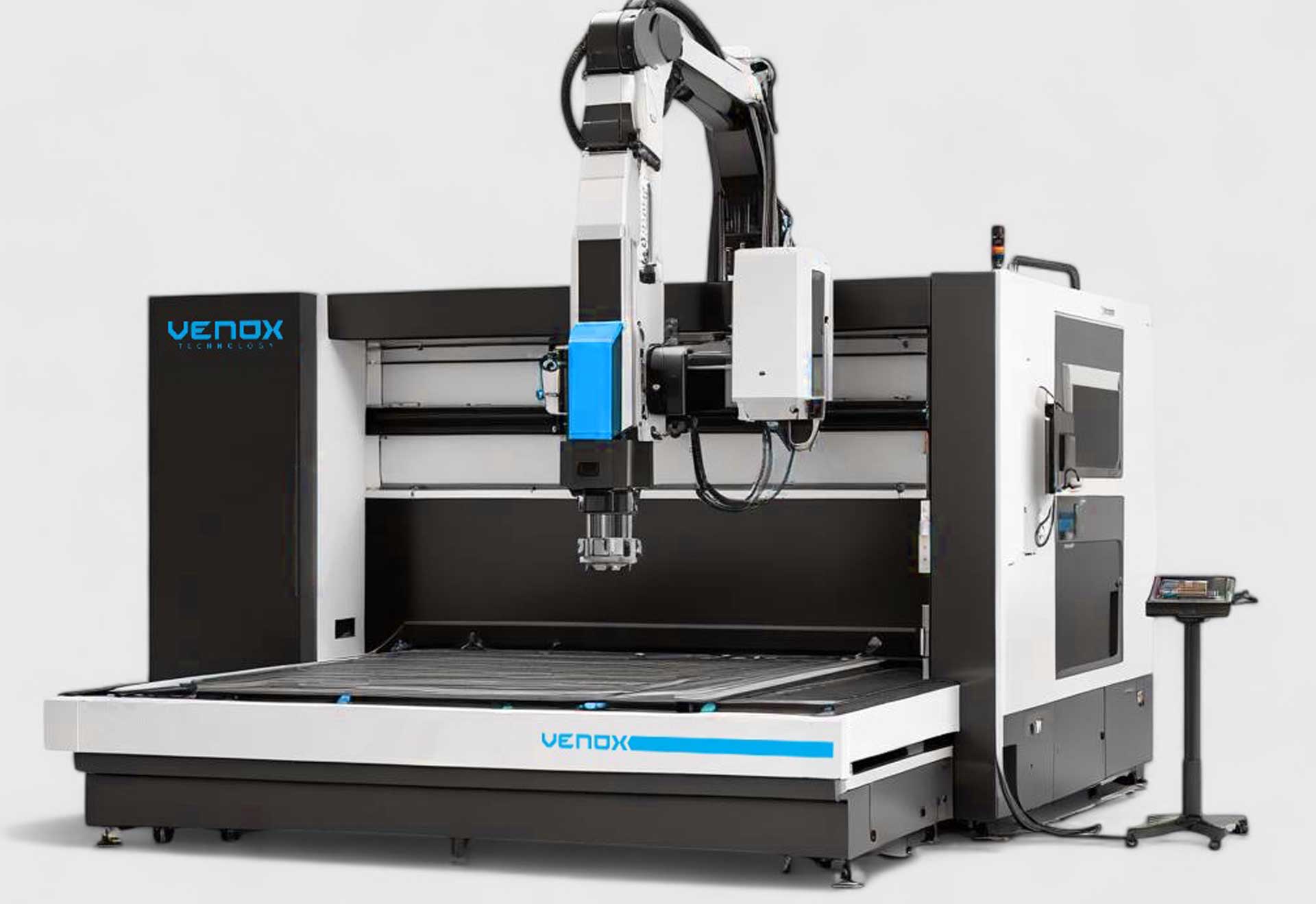
When choosing a laser marking machine, the size, shape, and marking area of the part to be marked must be taken into account. While a standard marking area may be sufficient for small parts, systems with a larger working area may be required for large surfaces.
The marking area is not only related to surface width. The height, shape, positioning requirement, and fixture use of the part are also important in the selection process. Special holders or rotary axis systems may be required for cylindrical parts, inclined surfaces, or products with different geometries.
Production Speed and Capacity Needs Should Be Analyzed
For businesses engaged in mass production, marking speed is one of the most important criteria. The laser marking process should not slow down the production flow and should allow products to be marked on the line continuously or with minimum waiting time.
The daily number of products to be marked, shift schedule, marking time per part, and production line speed should be calculated correctly. For businesses with high-volume production, laser marking systems that can be integrated into automation may be a more efficient solution.
Automation Integration Should Be Considered
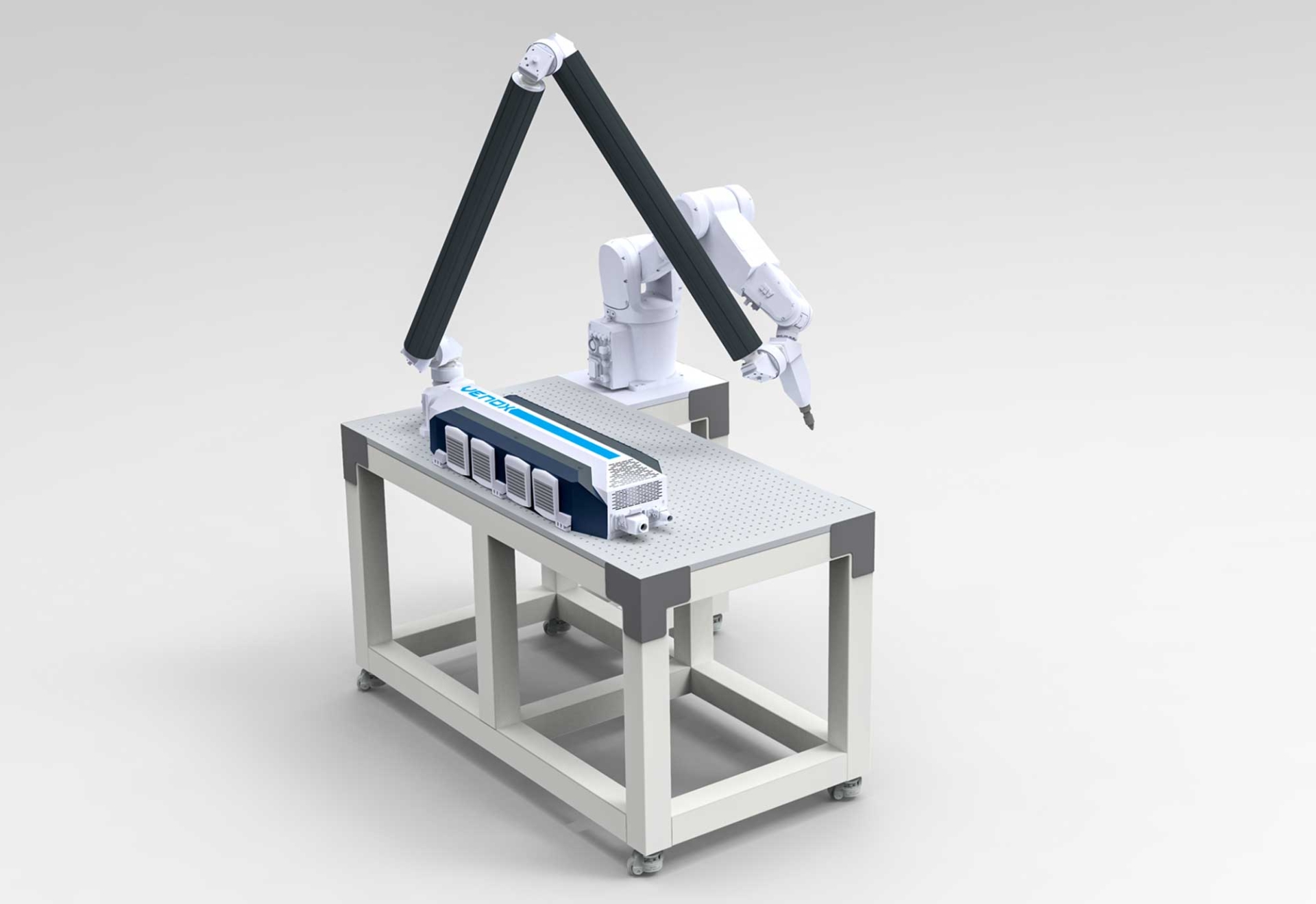
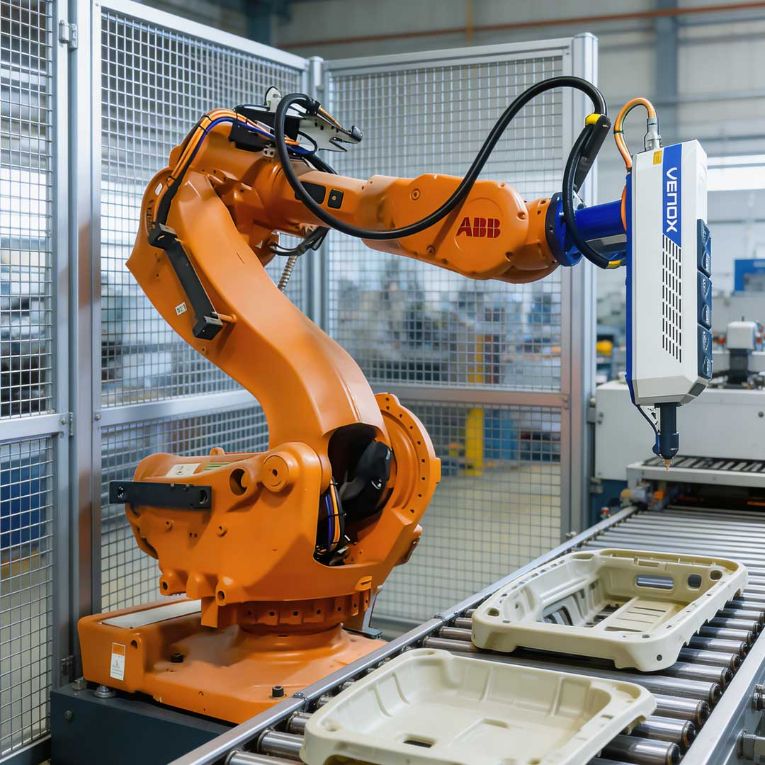
In modern production facilities, laser marking machines are often not standalone systems. They can work integrated with conveyor lines, robotic systems, vision cameras, barcode readers, and production tracking software.
Therefore, when selecting a machine, it should be evaluated whether the system can be integrated into the existing production line. Thanks to automation integration, the marking process can be made faster, more standardized, and error-free.
Software Features Should Be Checked
Laser marking software directly affects the ease of use and production flexibility of the system. Users should be able to easily prepare logos, texts, barcodes, QR codes, DataMatrix codes, serial numbers, and date information.
Features such as variable data marking, automatic serial number generation, database connection, support for different file formats, and saving production recipes provide major advantages for businesses. Especially in sectors where traceability is required, software capability is at least as important as machine hardware.
Marking Quality and Readability Should Be Tested
Before purchasing a laser marking machine, test marking should be performed if possible. Test marking allows you to see how the selected system performs on the actual product. At this stage, marking depth, readability, contrast, line clarity, and surface quality should be evaluated.
The readability of codes such as QR codes, barcodes, or DataMatrix is especially important. It is not enough for the code to be visually clear; it must also be readable without problems by the readers used on the production line or in the quality control process.
Technical Service and After-Sales Support Are Important
Laser marking machines are industrial equipment used for long periods. Therefore, when making a selection, attention should be paid not only to the technical specifications of the machine, but also to the after-sales support process.
Installation, operator training, maintenance, spare parts, software support, and technical service are important for the sustainability of the investment. Working with a brand that offers strong technical support reduces possible downtime and protects production continuity.
Total Cost of Ownership Should Be Calculated
When selecting a laser marking machine, it is not correct to focus only on the initial purchase cost. Energy consumption, maintenance needs, spare parts costs, service support, service life, and production efficiency also affect the total cost of ownership.
Thanks to their structure that does not require consumables, laser marking systems can provide a cost advantage in the long term. However, when the right system is not selected, indirect costs such as inefficient use, low marking quality, or production loss may occur.
Choosing the Right Solution with Venox Laser Marking Machines
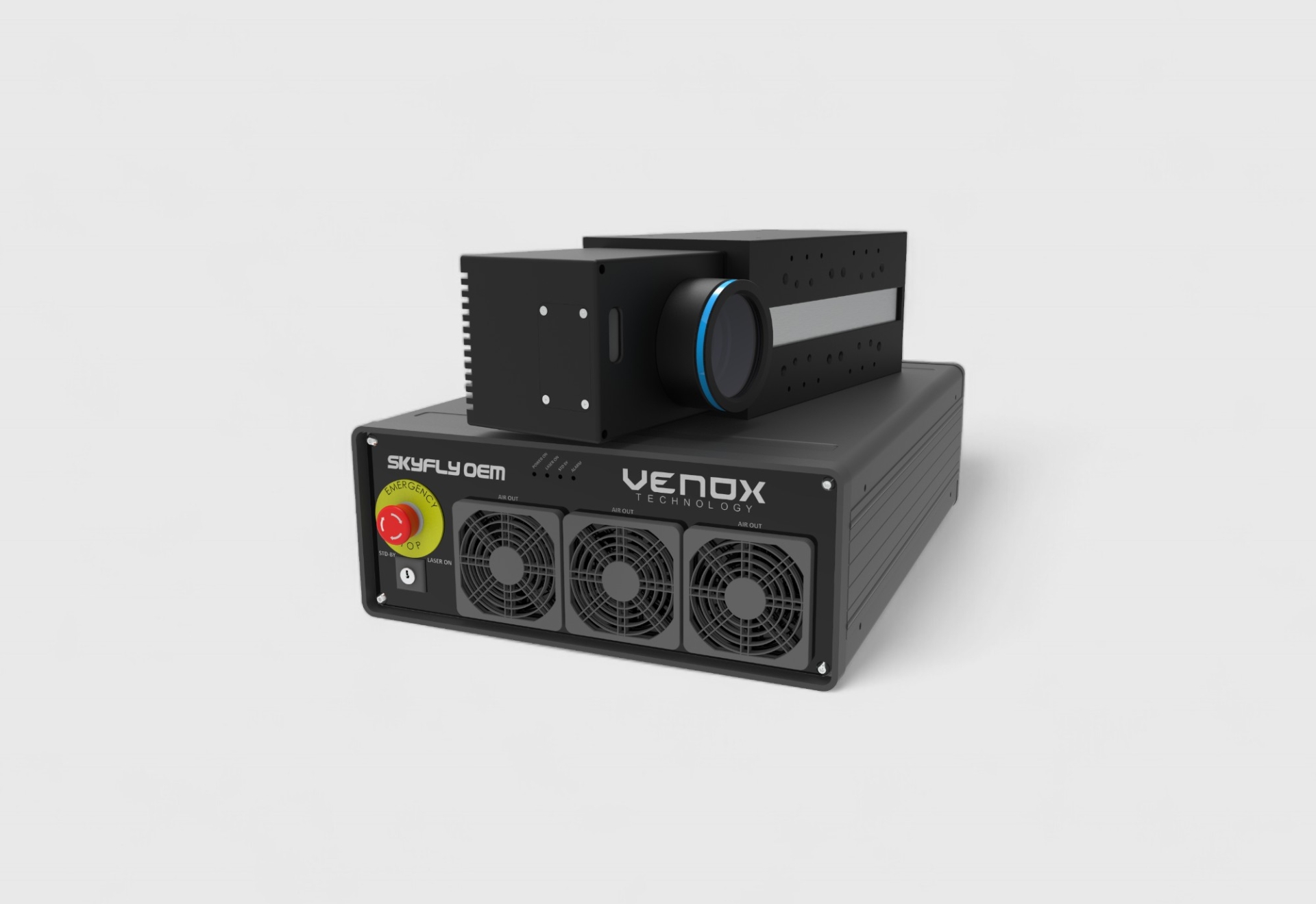
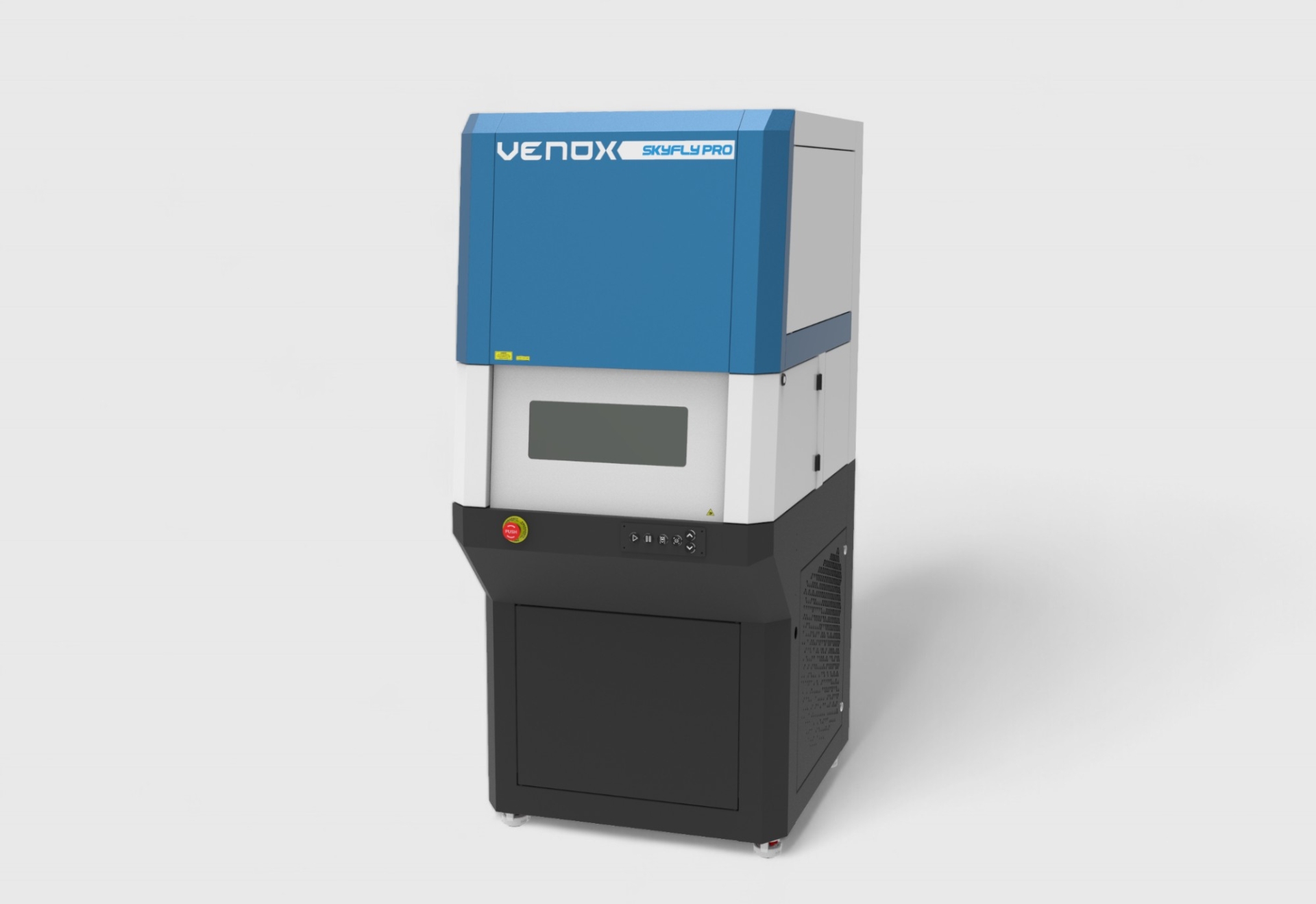
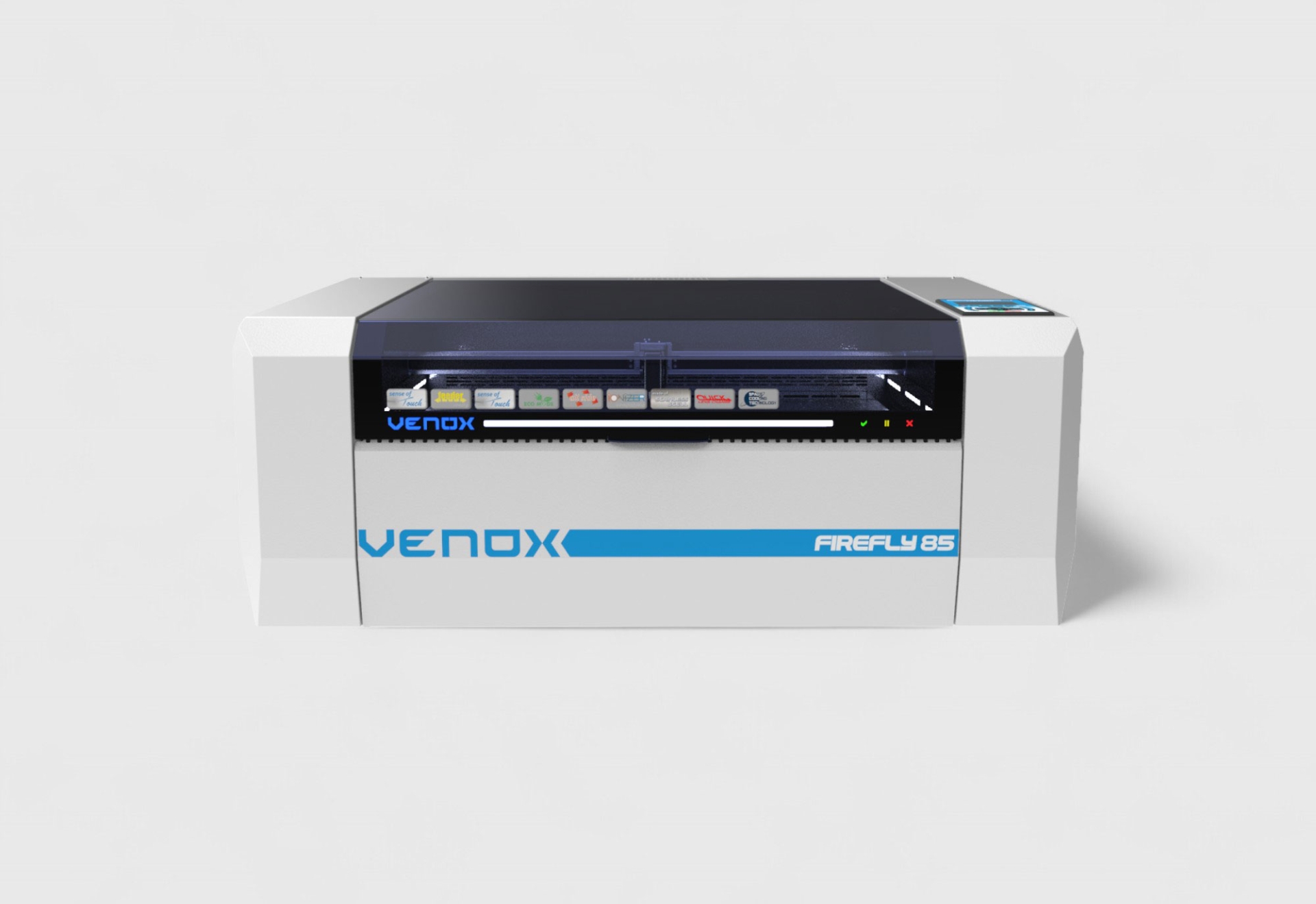
Venox offers permanent, fast, and reliable solutions in industrial production processes with Laser Marking Machines suitable for the needs of different sectors. Suitable system options can be evaluated according to the structure of your production line, the type of material to be marked, and your capacity needs.
To choose the right laser marking machine, it is important to analyze your products, production process, and goals together. You can contact the Venox team to get information about a laser marking solution suitable for your needs. For detailed information and quotation requests, you can visit the Contact Us page.
Conclusion: Choosing a Laser Marking Machine Is a Strategic Decision
When selecting laser marking machines, many criteria such as material type, laser source, marking area, production speed, automation needs, software capability, and technical support should be evaluated together. A correctly selected system increases production quality, strengthens traceability, and provides long-term cost advantages.
Choosing a laser marking system suitable for your business’s current and future needs helps you achieve sustainable efficiency in production processes. Therefore, before making an investment decision, technical analysis should be carried out, test marking results should be examined, and the process should be continued with a reliable solution partner.
Frequently Asked Questions
What should be considered first when choosing a laser marking machine?
The first step is to determine the type of material to be marked. Different laser technologies may be required for metal, plastic, glass, ceramic, or coated surfaces.
In which areas are fiber laser marking machines preferred?
Fiber laser marking machines are especially preferred on metal surfaces. They provide permanent and clear marking on materials such as stainless steel, aluminum, brass, copper, and titanium.
Can laser marking machines be integrated into an automation line?
Yes. Properly configured laser marking machines can work integrated with conveyors, robotic systems, barcode readers, and production tracking systems.
Should testing be performed before purchasing a laser marking machine?
Yes. Test marking is important to see marking quality, readability, and surface compatibility on the actual product.
How can I get information about Venox laser marking machines?
To get detailed information about Venox’s laser marking solutions, you can review the Laser Marking Machines page or contact the Venox team through the contact page.
