
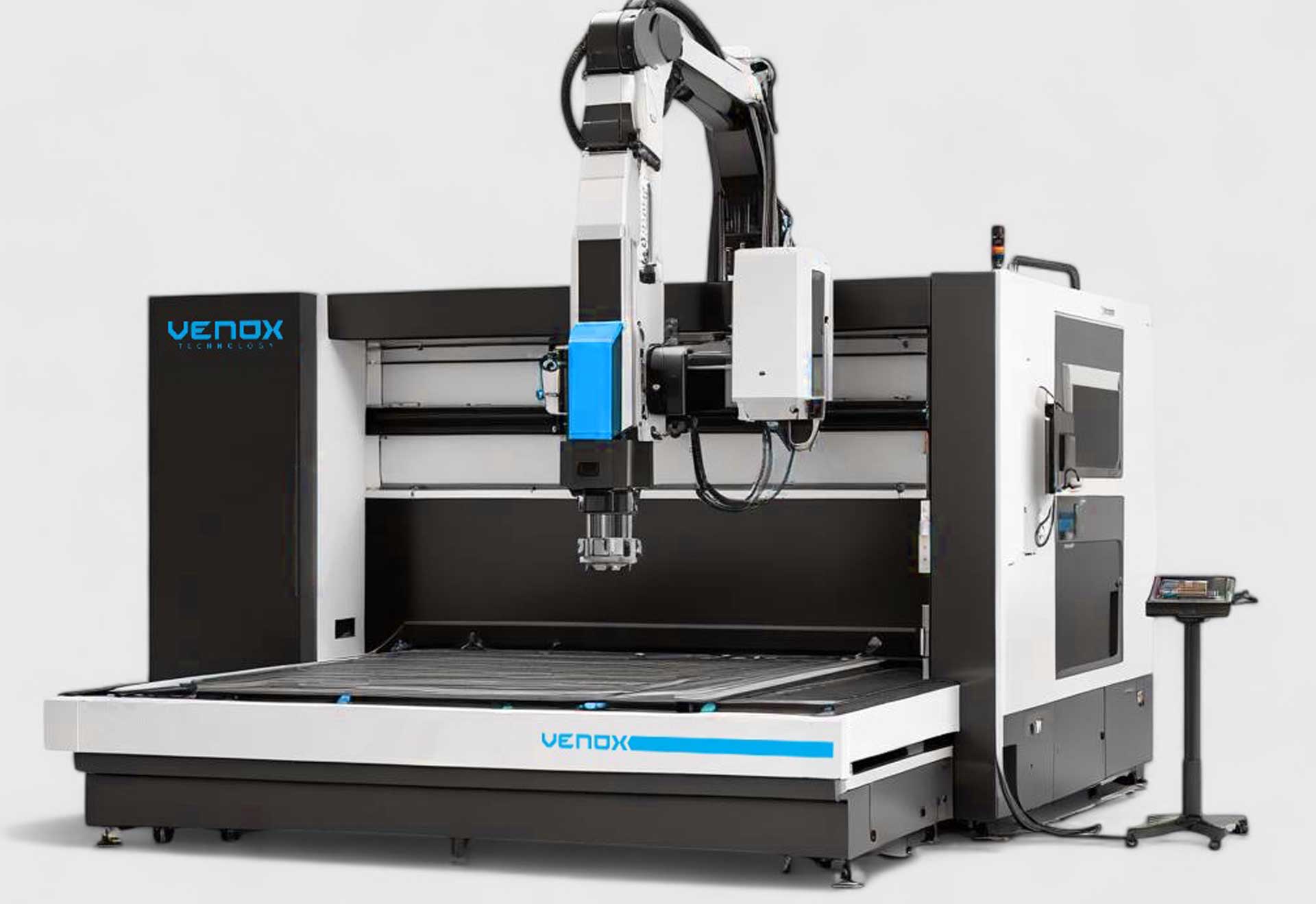

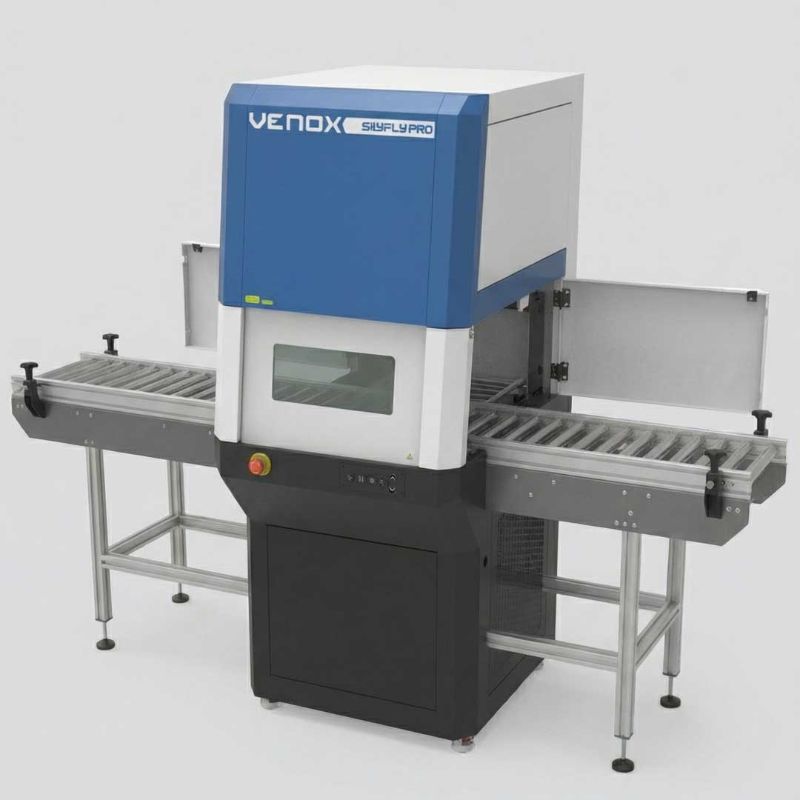
Which Materials Can Venox Laser Marking Machines Mark?
One of the first questions that needs to be answered when selecting a laser marking system is which material will be marked. This is because metal, plastic, wood, leather, glass, or a coated surface does not react to the same laser technology in the same way. The laser source, wavelength, power level, lens, and marking parameters to be used should be determined according to the characteristics of the material.
Venox laser marking systems can be configured with fiber, CO₂, and UV laser technologies for different industrial materials and production requirements. When determining the appropriate technology, not only the general name of the material but also its alloy, surface coating, color, pigment structure, thickness, and production method are taken into consideration.
For example, although stainless steel and anodized aluminum both belong to the metal group, they may not produce the same result with the same laser parameters. Similarly, two different plastic parts may react completely differently to the laser beam due to the pigments and additives used in production.
Therefore, although it is possible to provide a general list in response to the question “which materials can be laser marked?”, it is important to verify the correct system selection through application tests carried out on the actual product.
Which Materials Can Venox Laser Marking Systems Be Used On?
Stainless Steel and Carbon Steel
Stainless steel and carbon steel are among the materials on which fiber laser marking technology is most commonly used. Automotive parts, machine components, fasteners, industrial equipment, metal plates, and various technical products can be laser marked.
Logos, serial numbers, QR codes, DataMatrix codes, barcodes, model information, or production dates can be applied to the product surface. Depending on the application, surface contrast marking or deeper engraving processes in which a certain amount of material is removed can be performed.
The appearance of the marking obtained on stainless steel may vary depending on laser power, frequency, scanning speed, focusing, and the amount of energy applied. Whether the product will later be exposed to factors such as chemicals, temperature, or friction should also be considered when determining the marking method.
To explore systems that can be used in metal-focused applications, you can visit the fiber laser marking machines page.
Aluminum and Anodized Aluminum
Aluminum is an important material in laser marking applications because it is used in many industries such as electronics, automotive, machinery, defense, and consumer products.
Raw aluminum and anodized aluminum may behave differently when exposed to a laser. On anodized surfaces, distinct and high-contrast markings can be created depending on the characteristics of the coating. On raw aluminum, different laser parameters may need to be tested in order to achieve the desired visual result.
Logos, serial numbers, and traceability codes can be applied to electronic device housings, metal labels, mechanical parts, industrial plates, and aluminum components.
Since the thickness and structure of the surface coating have a significant effect on the result in aluminum marking, sample testing is recommended.
Brass, Copper, and Other Metal Alloys
Brass, copper, and different metal alloys can also be marked using appropriate fiber laser technologies. Electrical and electronic components, connection parts, decorative metal products, technical parts, and custom-manufactured components can be given as examples of these applications.
Especially with highly reflective metals such as copper, the characteristics of the laser source and parameter settings become important. The correct process recipe must be developed in order to achieve the desired contrast or engraving depth.
Even within the same metal group, the marking result may vary when alloy ratios differ. Therefore, knowing the technical characteristics of the material provides an advantage in system selection.
Plastics and Engineering Plastics
Plastics are among the most variable material groups in terms of laser marking. ABS, polycarbonate, polyamide, polypropylene, and different engineering plastics may react differently to the laser beam.
In some plastics, laser energy can create a color change on the surface, producing a high-contrast marking. In others, surface foaming, engraving, or a different physical change may occur.
Not only the chemical type of the plastic but also the pigments, fillers, and additives used can affect the marking result. Therefore, two plastic products identified by the same name are not guaranteed to produce the same result with the same laser technology.
Depending on the application, fiber laser, UV laser, or in some cases CO₂ laser can be considered. Especially for electronic components and sensitive plastic surfaces, UV laser technology may provide more controlled results.
In plastic marking applications, sample testing is one of the most important stages in determining the correct laser technology.
Wood, MDF, and Similar Organic Materials
CO₂ laser technology is widely used for wood and wood-based materials. Furniture parts, promotional products, decorative objects, wooden packaging, and various industrial products can be laser marked.
The laser beam can create a controlled thermal effect on the wood surface, resulting in a dark-colored marking or engraving. Logos, patterns, text, or product information can be applied directly to the material.
However, due to the natural structure of wood, the marking result may not be completely identical on every product. Grain structure, density, resin content, moisture level, and surface coatings can affect color and engraving depth.
For MDF, plywood, and different composite wood products, the suitability of the material content and the binders used for the laser process should also be evaluated.
Leather and Certain Textile-Based Materials
Natural leather and certain synthetic leather types suitable for laser processing can be marked using CO₂ laser systems. Bags, shoes, belts, wallets, labels, and different textile accessories can be personalized or marked using this technology.
As a result of the laser application, a dark or light-toned appearance, surface pattern, or engraving-like effect can be created on leather.
However, the chemical content of synthetic materials is especially important. Certain materials that are not suitable for laser processing may release undesirable gases or cause effects that can damage the equipment.
Therefore, the technical composition of the leather or textile-based material to be used should be known as much as possible, and testing should be carried out before processing.
Glass and Sensitive Surfaces
Compared to other materials, glass is a surface that requires a more sensitive approach when processed with a laser. The type, thickness, coating, and chemical structure of the glass may affect the laser technology that can be applied and the resulting outcome.
UV laser technologies can be considered for certain glass and sensitive surface applications. The objective may be to create a controlled and high-resolution mark on the surface.
Laboratory products, technical glass parts, electronic components, or different glass components can be given as examples of such applications.
In order to prevent unwanted cracking or thermal damage on glass, it is important to determine the application parameters carefully and perform tests on an actual sample.
How Is the Correct Laser Marking Technology Determined According to the Material?
Choosing Between Fiber, CO₂, and UV Lasers
When selecting a laser marking system according to the material, the wavelength of the laser and how the product surface absorbs this energy are primarily evaluated.
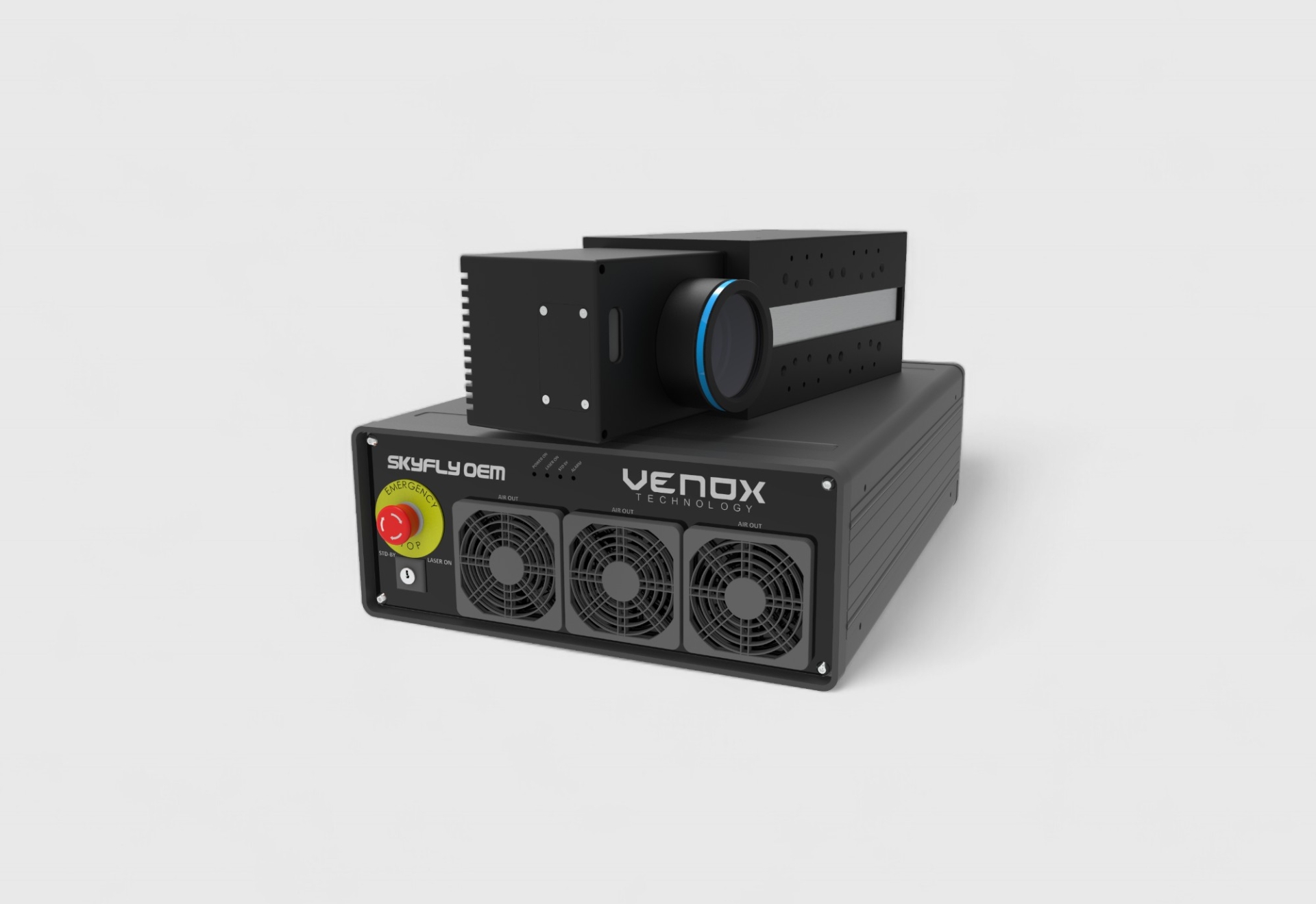
Fiber laser technologies generally stand out in metal marking applications. High-speed and permanent marking can be performed on stainless steel, aluminum, carbon steel, brass, and various metal alloys.
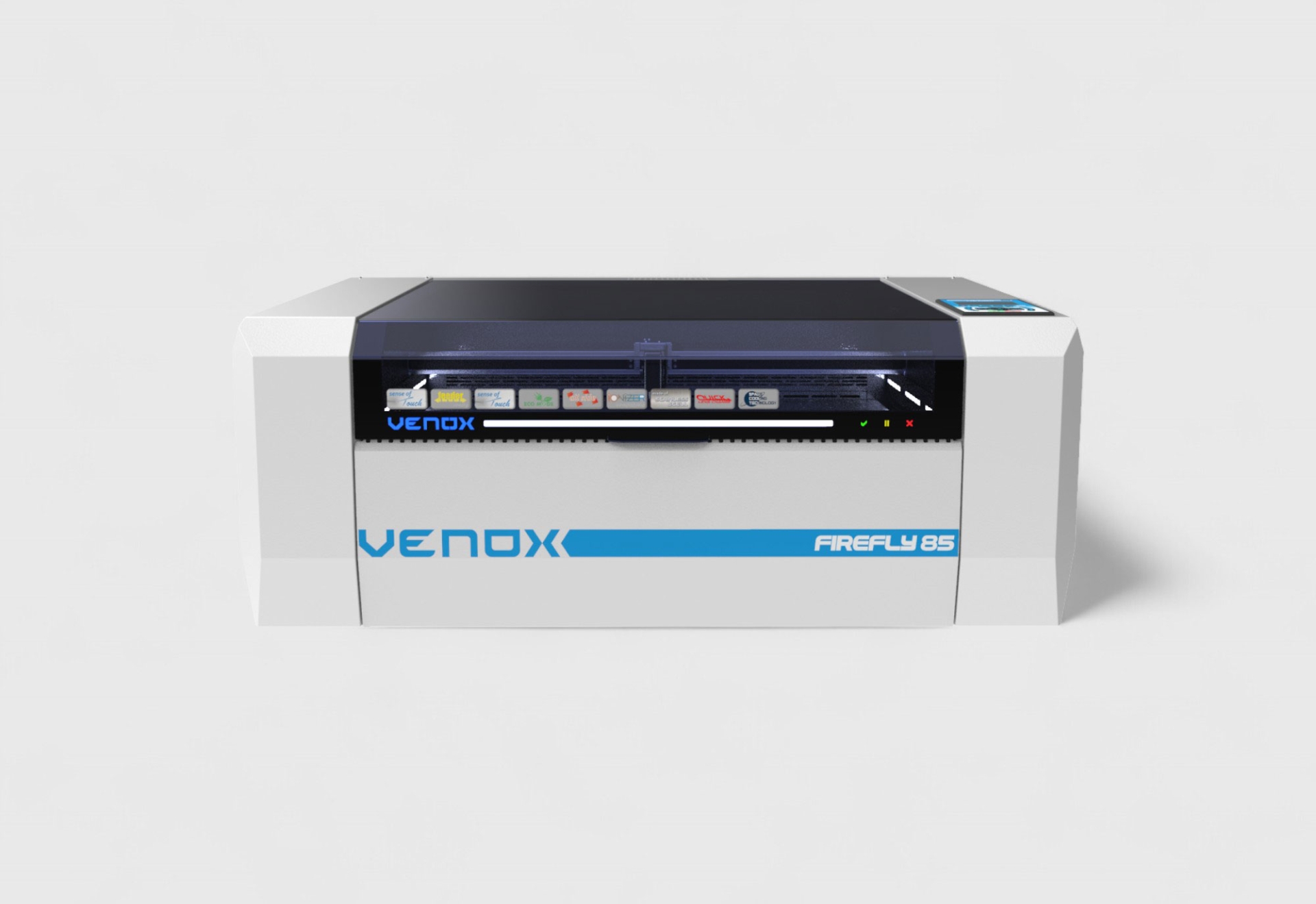
CO₂ lasers may be more suitable for wood, leather, paper, cardboard, and many organic surfaces. CO₂ lasers can also be used on certain plastic materials.
UV laser technology can be considered for sensitive plastics, electronic components, certain types of glass, and products requiring low thermal impact.
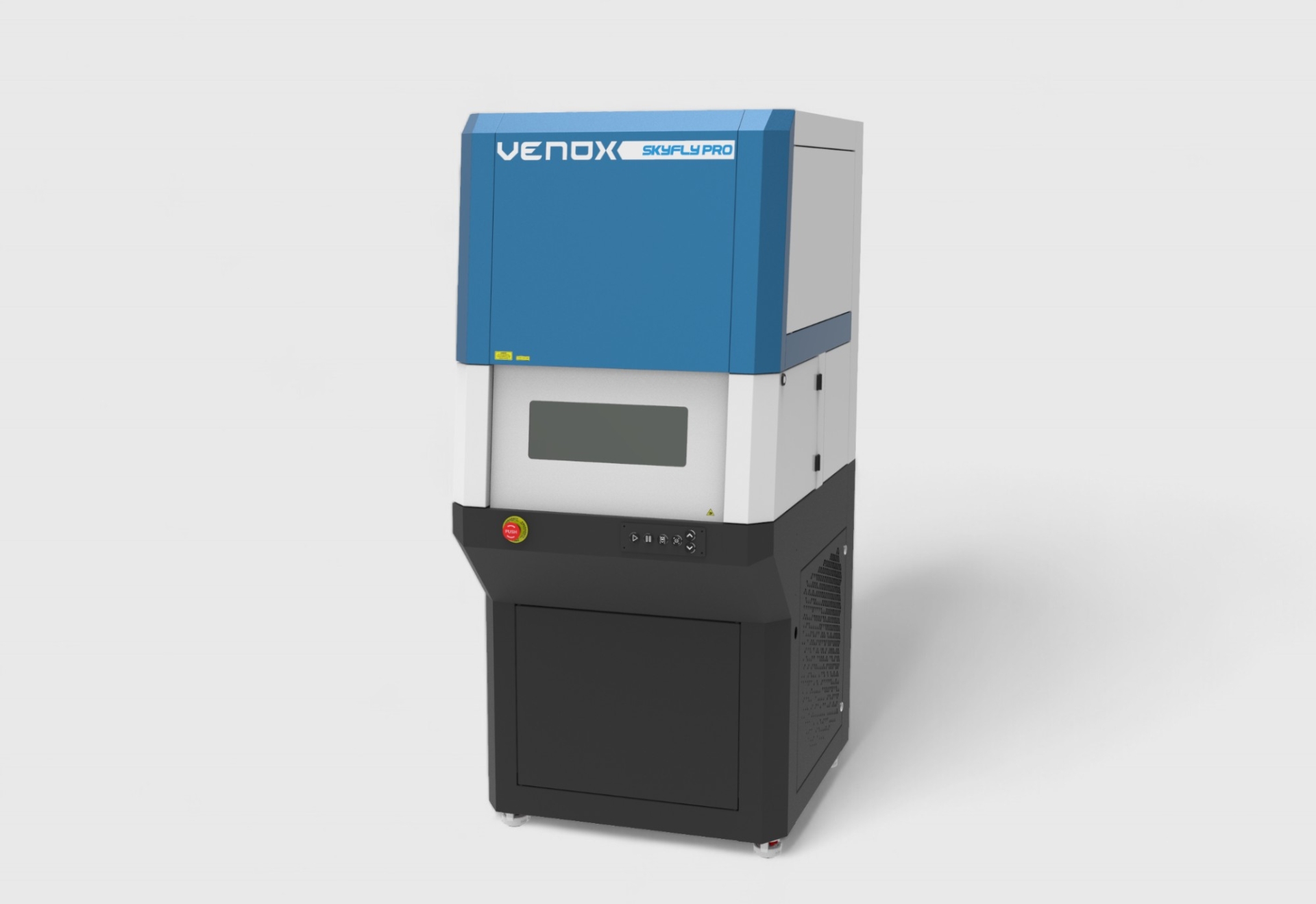
When reviewing Venox's laser marking systems for different applications, compatibility between the material and the laser technology should be considered one of the main selection criteria.
Why Are Surface Coating and Material Color Important?
The coating on the surface of a product can affect the laser marking result just as much as the base material itself. Paint, anodizing, plating, oxide layers, or different surface treatments directly influence the interaction between the laser beam and the material.
For example, the result obtained on anodized aluminum is not the same as the marking on raw aluminum. Similarly, on painted metal surfaces, the laser may remove the upper coating layer in a controlled manner instead of processing the metal itself.
Color and pigment structure are also important in plastics. A black plastic may react differently to the same laser source compared to a white or transparent plastic.
Therefore, when evaluating a laser marking project, not only the base material of the sample but also the final surface condition used in production should be taken into consideration.
How Does the Purpose of Marking Affect Technology Selection?
Markings made for different purposes on the same material may create different system requirements. Applying only a decorative logo to a metal product and creating a deep, long-lasting serial number on the surface are not the same process.
Likewise, while high resolution and readability may be the priority for a small DataMatrix code, durability and engraving depth may be more important for a large industrial component.
Therefore, when determining the system, the type and size of the content to be marked, the desired depth, contrast, and level of permanence should be clearly defined.
For machine-readable codes such as QR codes and DataMatrix codes, camera verification requirements can also be included in the system design.
Why Is Sample Marking Testing Necessary?
One of the most reliable methods for verifying material compatibility is to perform a sample marking test on the actual product. A laser technology that appears suitable in theory may not produce the expected result on the real product due to surface coatings or additives.
During testing, criteria such as contrast, marking time, surface deformation, engraving depth, line sharpness, and code readability can be evaluated.
If necessary, fiber, CO₂, and UV laser technologies can be compared on the same sample to determine which system provides the most suitable result for production.
If high-volume production is planned, sample testing should evaluate not only visual quality but also cycle time. A process that produces very high quality but cannot keep up with the required production speed may not be suitable from an industrial perspective.
Determining the Material-Compatible Laser System with Venox
When selecting a system for Venox laser marking solutions, material, product geometry, marking content, production volume, cycle time, and integration requirements can be evaluated together.
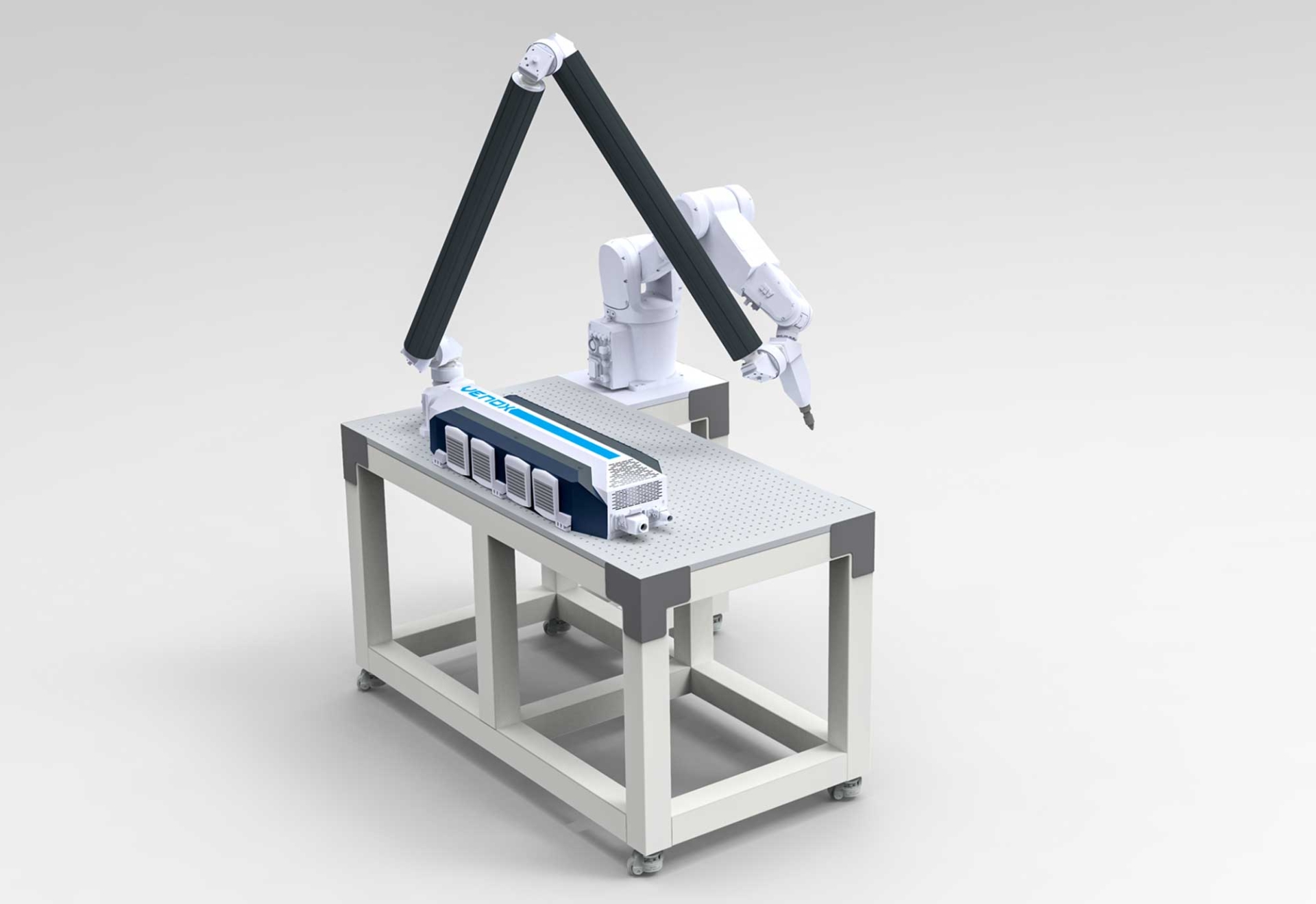
While a standard laser marking machine may be sufficient for certain applications, different product geometries may require a custom fixture, motorized axis, rotary system, or camera integration.
In high-volume production lines, the laser marking system can be configured to operate together with different infrastructures such as PLC, sensors, ERP, or MES. In this way, the laser technology suitable for the material can become part of the production automation.
To explore Venox's different product and system options, you can visit the laser marking machines page.
To determine which laser technology is suitable for the metal, plastic, wood, leather, glass, or another material you want to mark, to perform a sample test, or to evaluate project-specific system options, you can contact Venox.
