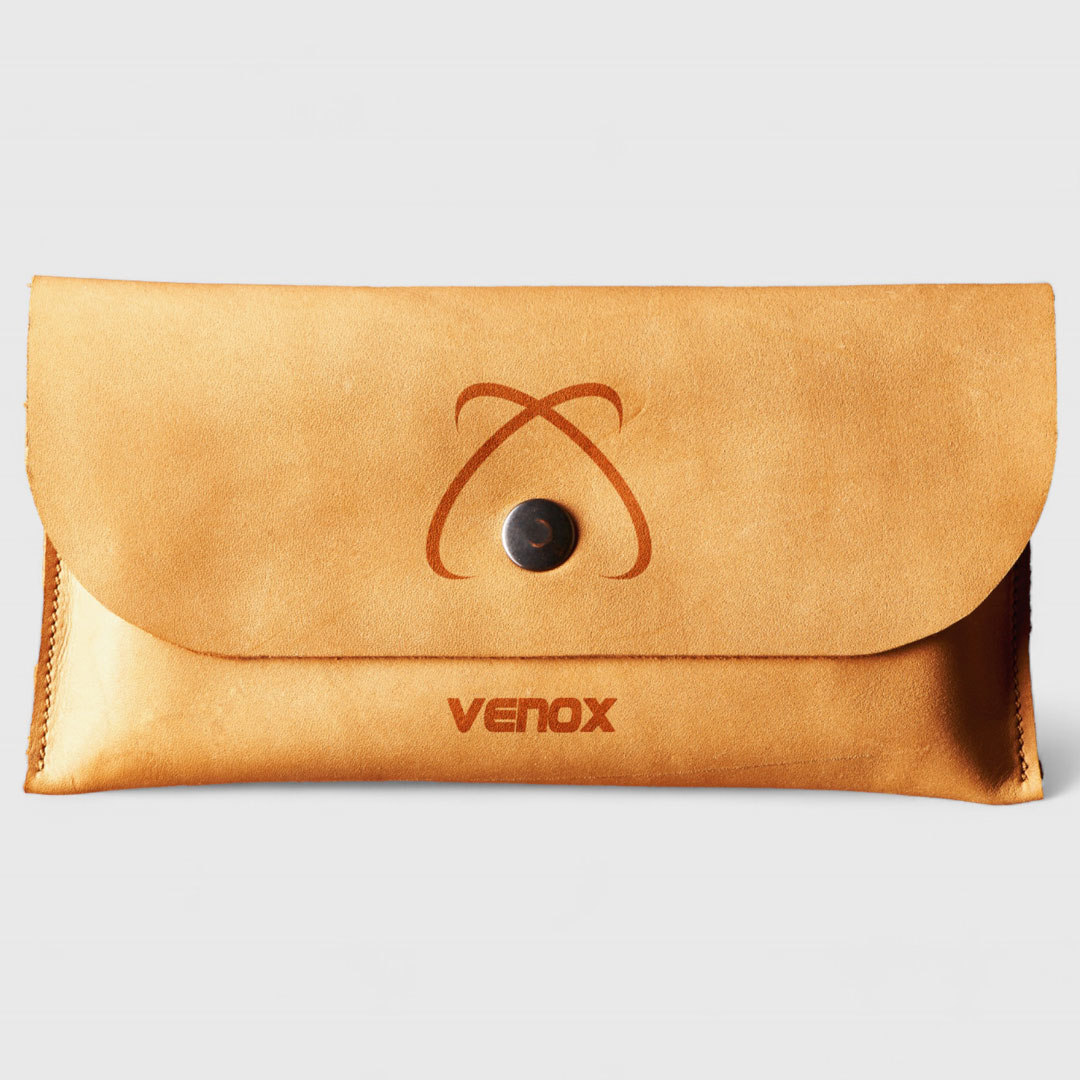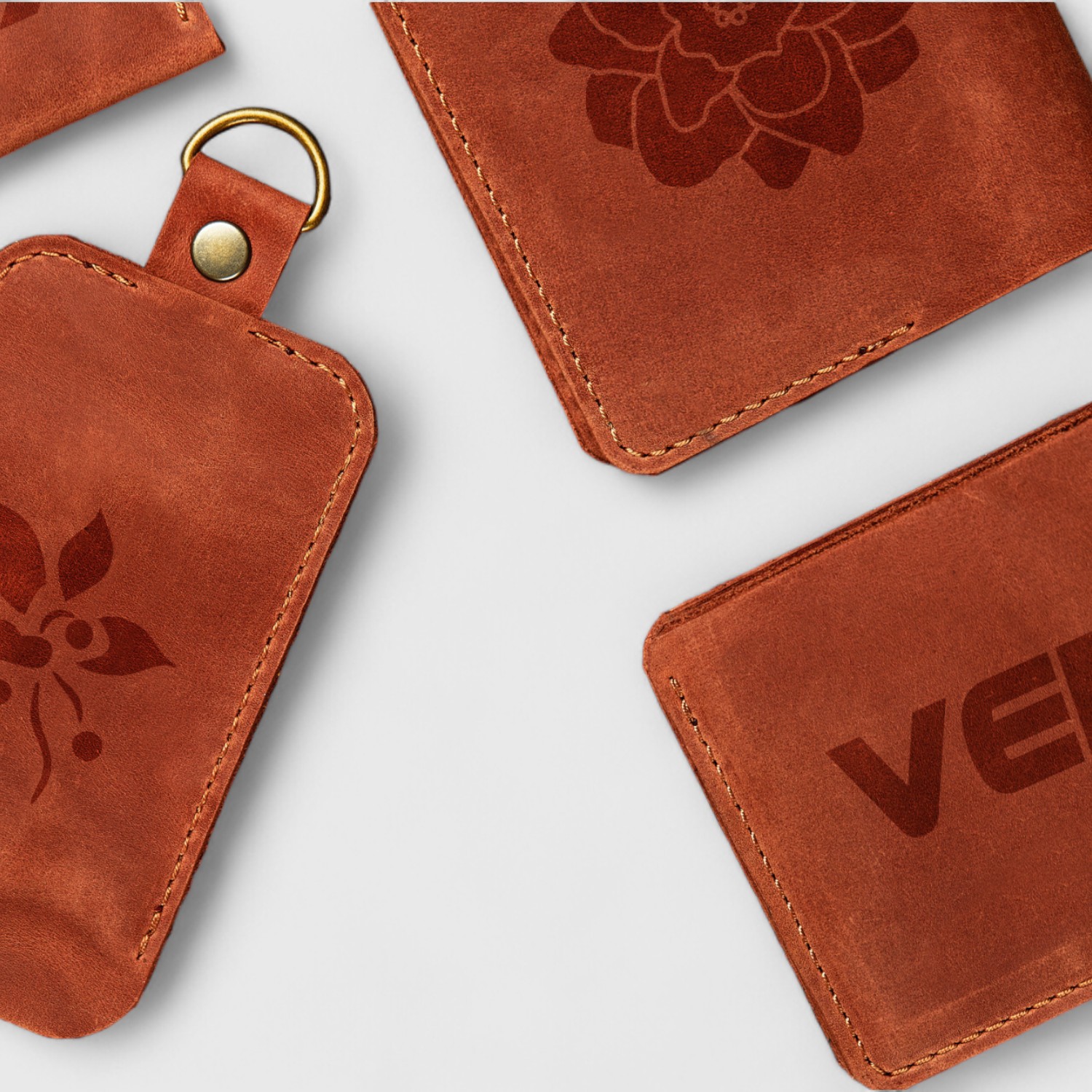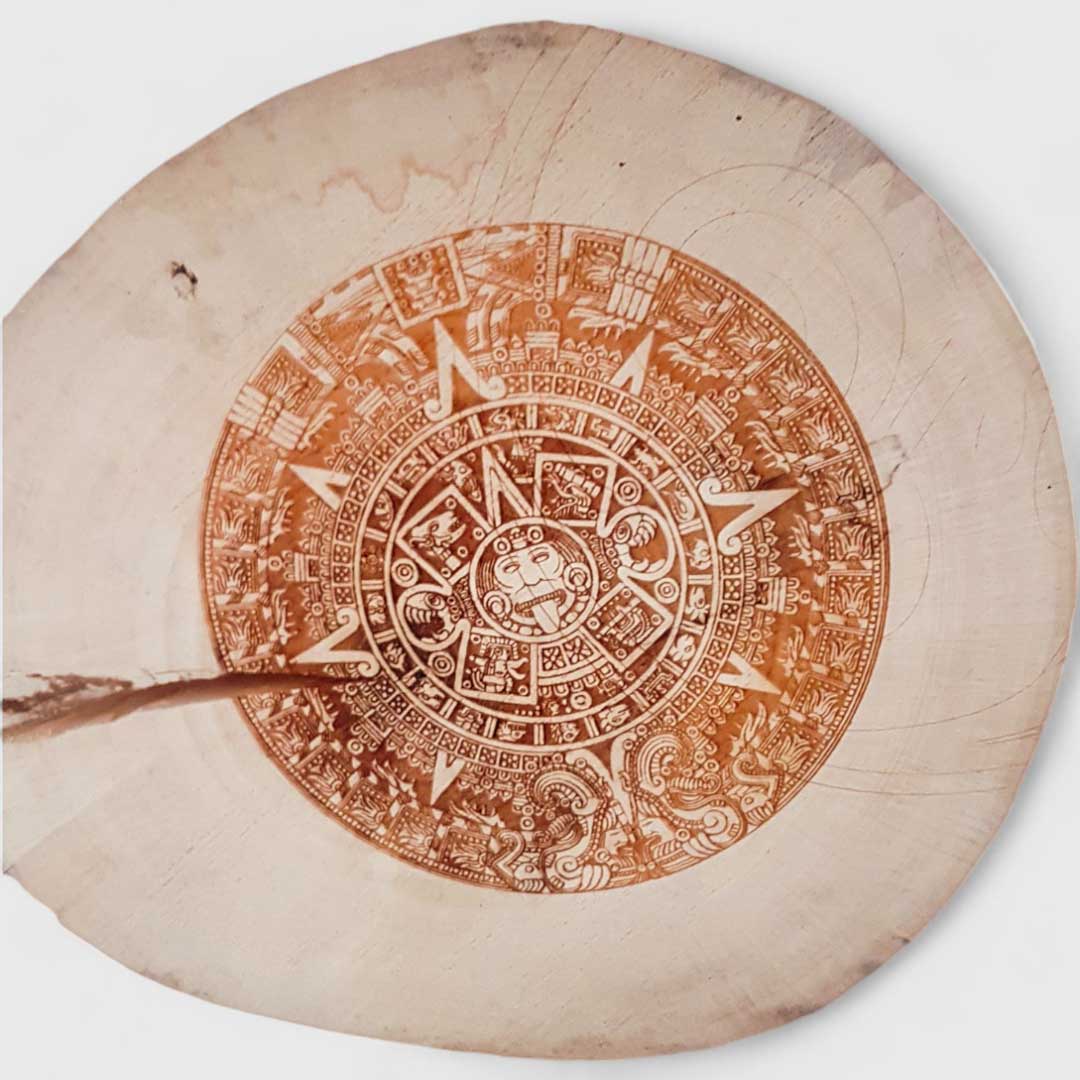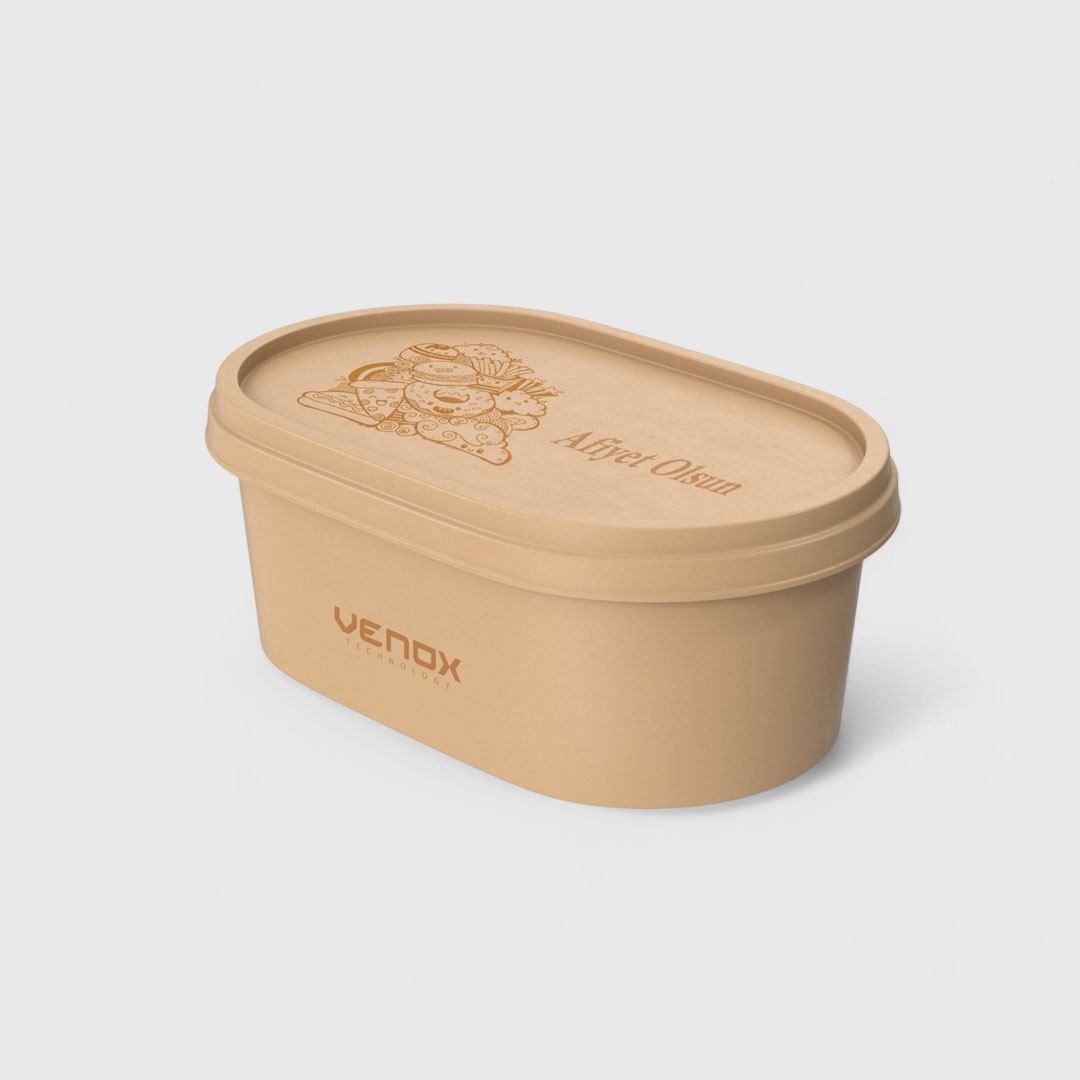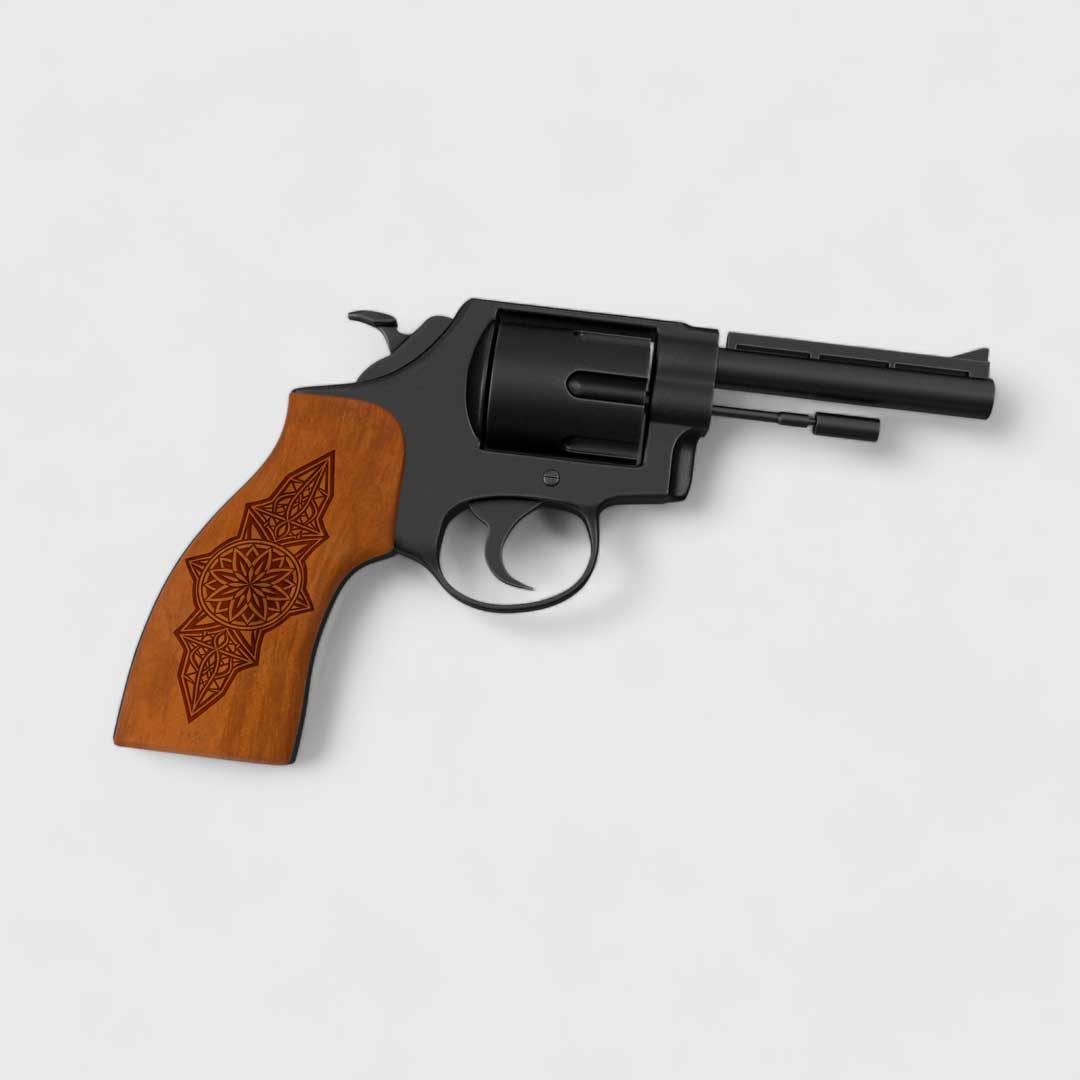
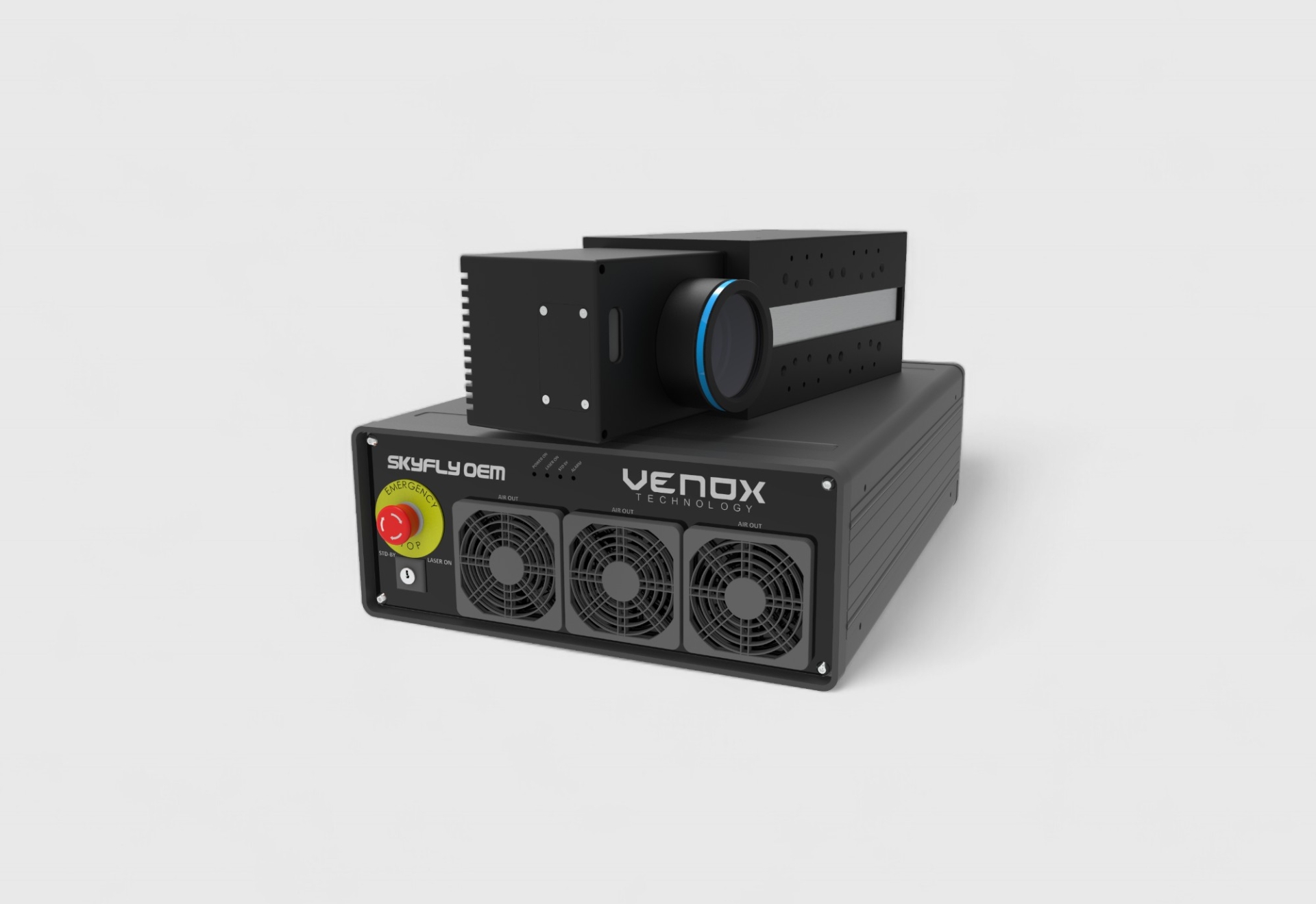
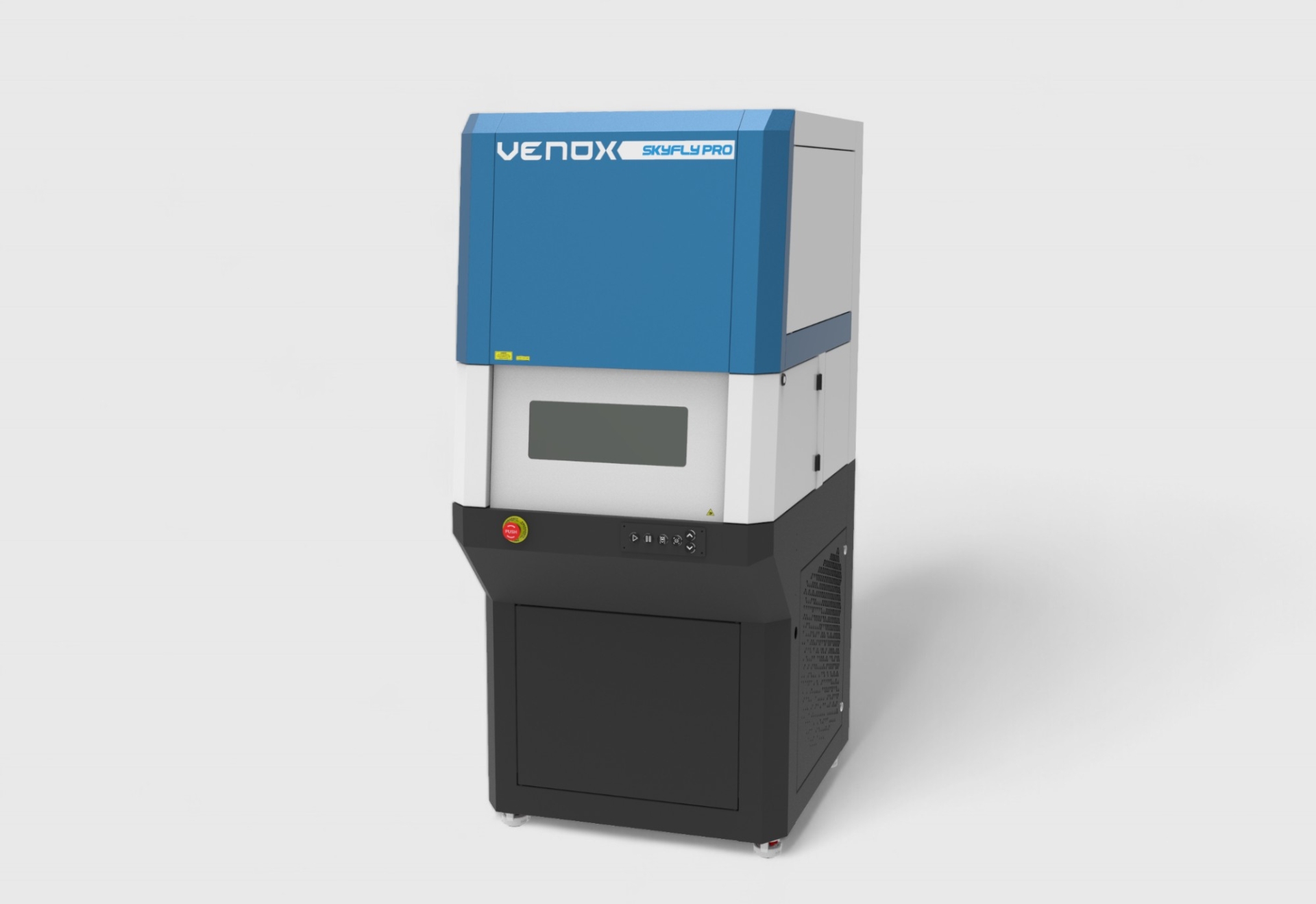
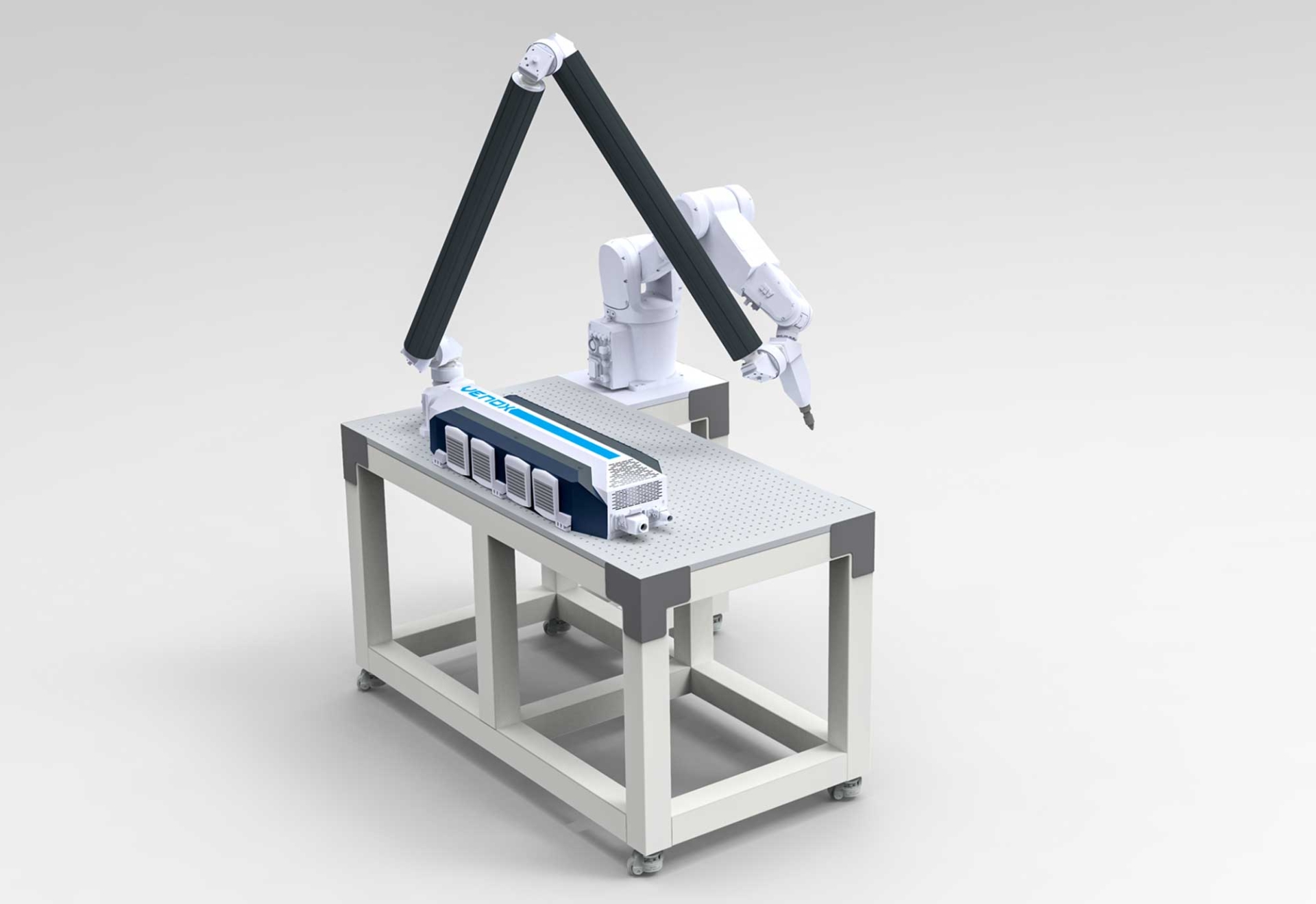
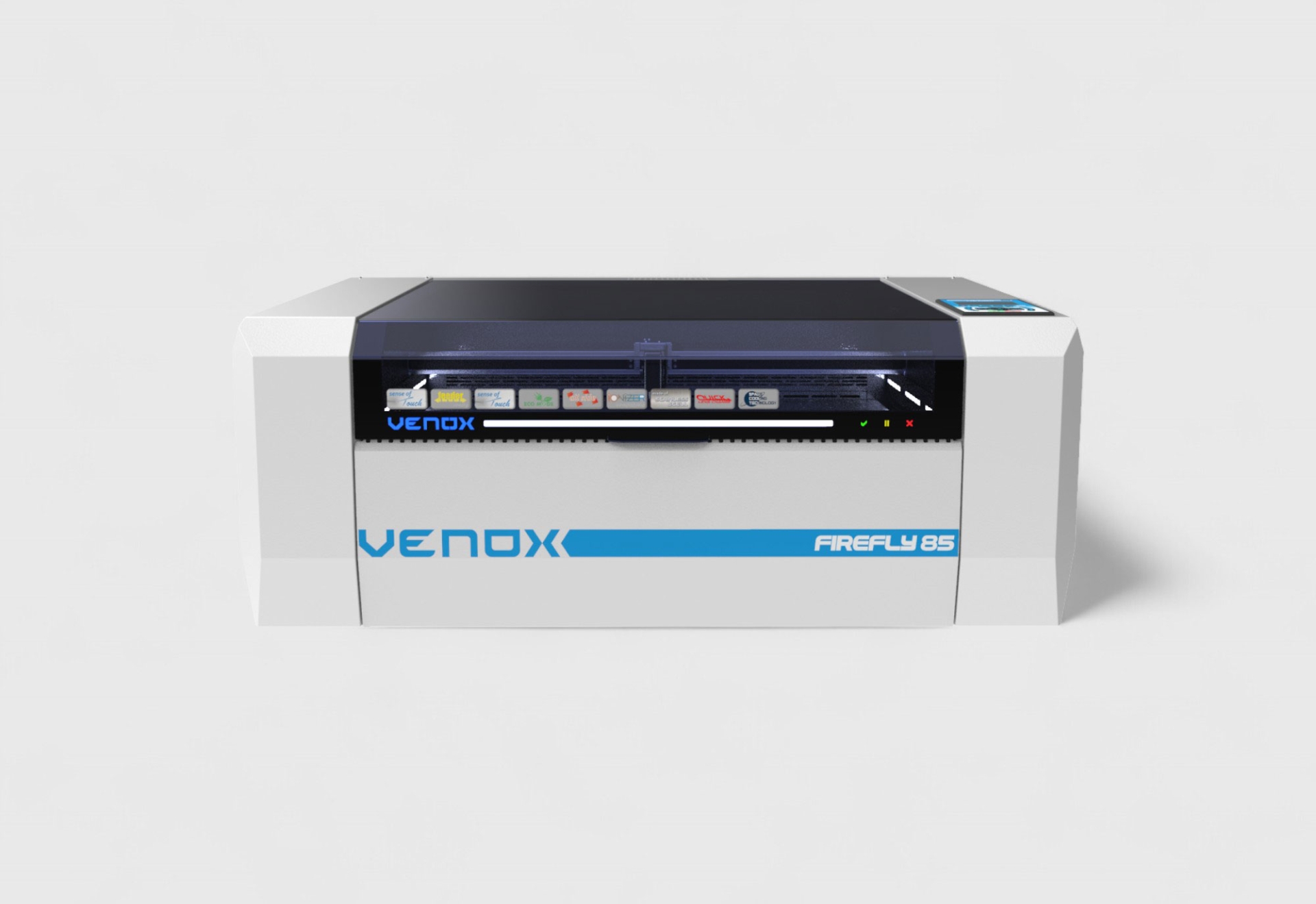
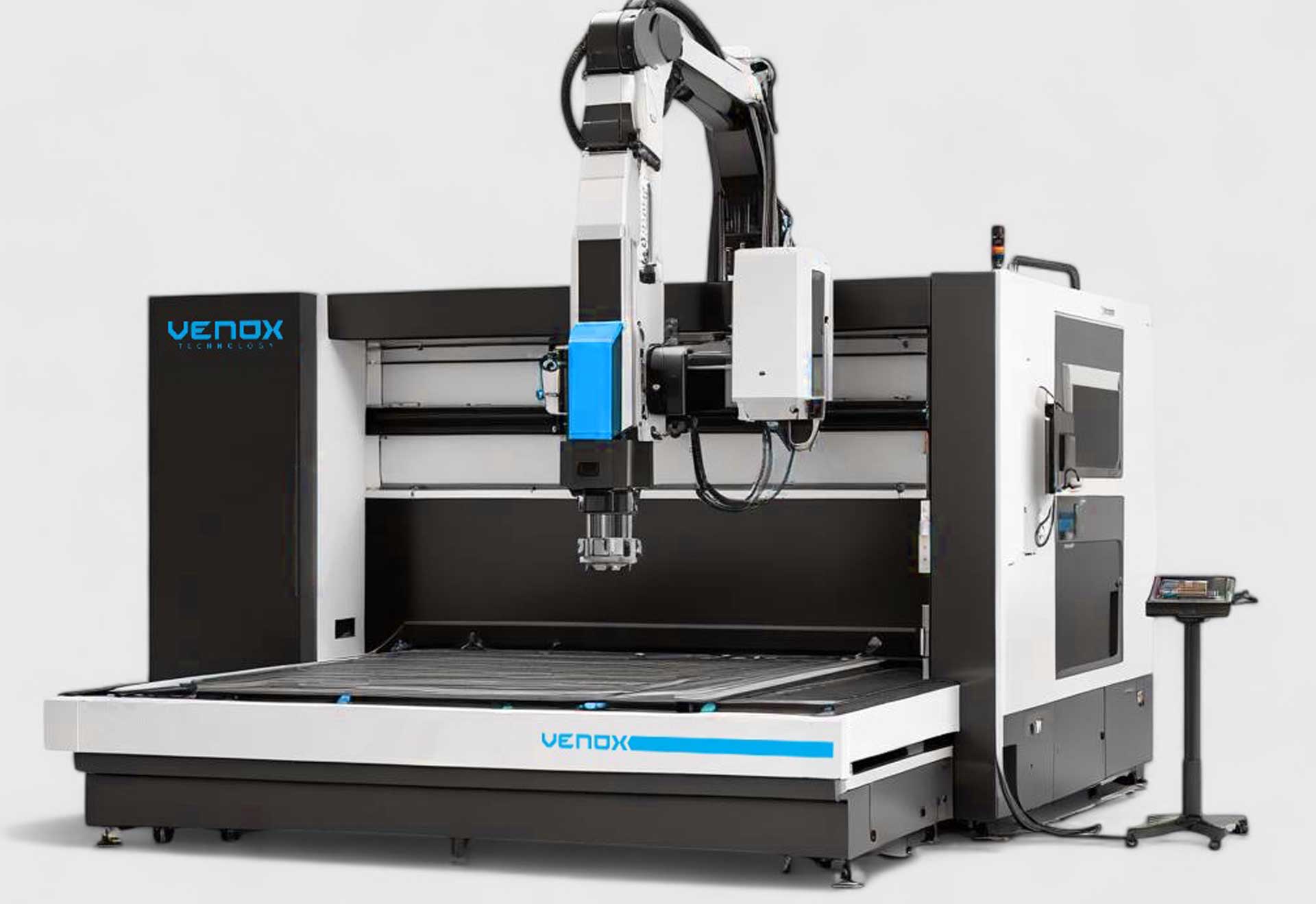
Venox Teknoloji's CO2 laser marking machines provide clear, repeatable, and long-lasting markings on various non-metallic materials. On wood, leather, glass, paper, and certain types of plastics; precise content such as fine text, detailed graphics, and corporate logos can be applied in high resolution.
These systems deliver fast and aesthetic results in areas such as promotional products, gift items, packaging, labeling, and decorative applications. Thanks to advantages such as low energy consumption, optimized operating costs, and long service life, they offer cost-effective use. With high processing speed and consistent quality performance, they are also preferred on mass-production lines; this makes CO2 laser machines a strong option for industrial-level processing needs.
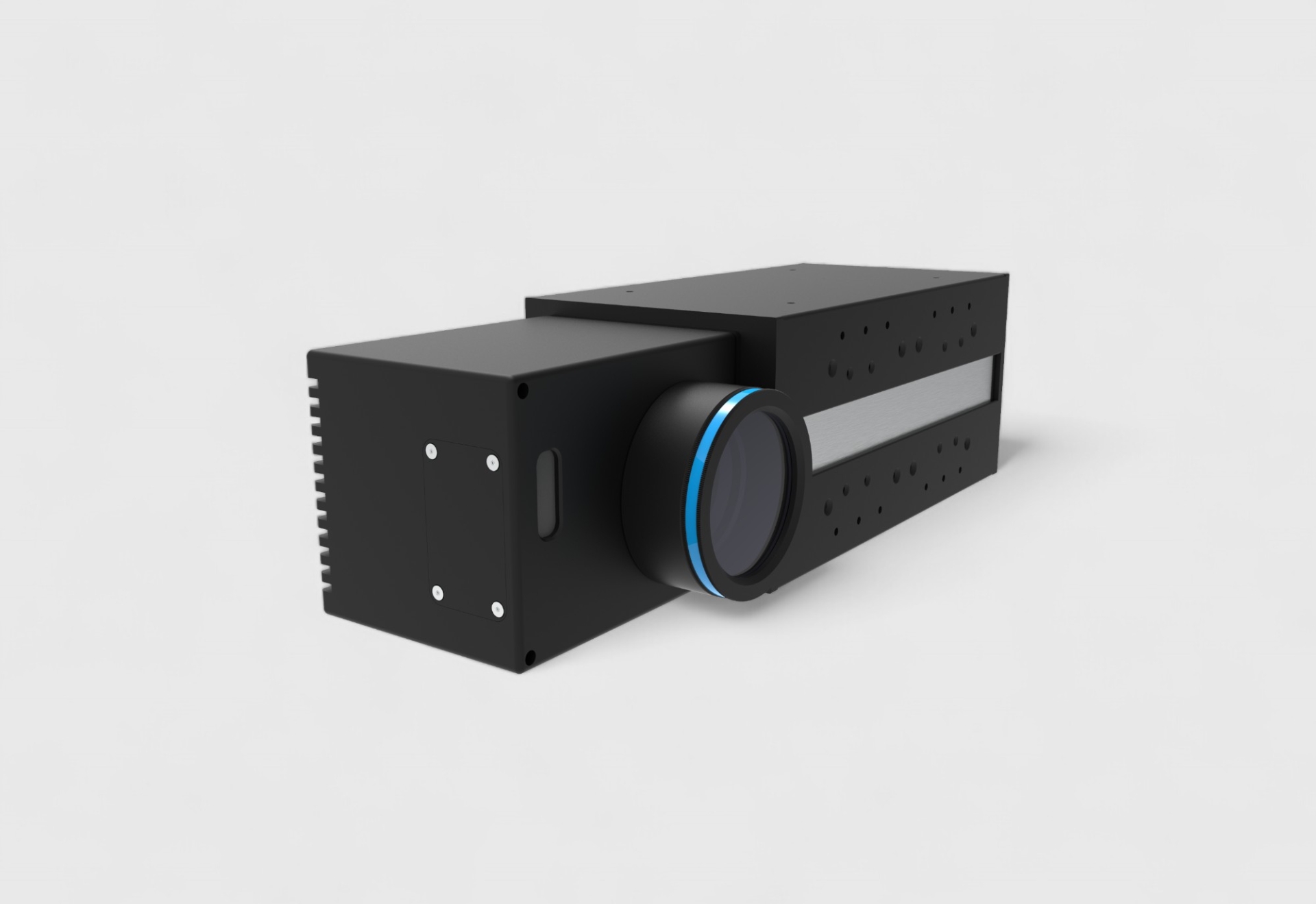
What is a CO2 laser? CO2 lasers are systems that generate a laser beam using a carbon dioxide gas mixture and are widely used especially for marking/cutting on non-metallic materials.
Which materials can CO2 lasers be used on? They can be applied on many non-metallic materials such as wood, leather, glass, paper, cardboard, and suitable types of plastics.
How is maintenance performed for CO2 laser machines? Periodic cleaning of optical components, mirror and lens inspection, and general system checks are recommended. Proper maintenance supports performance and service life.
Is CO2 laser marking permanent? Yes, markings made with a CO2 laser are permanent depending on the structure of the material and remain durable on the product for a long time.
What are the advantages of CO2 laser machines? Precise and aesthetic marking, broad material compatibility, high speed, and low operating costs are the key advantages of CO2 lasers.
DIFFERENCES FROM OTHER LASER TYPES
Wavelength and Material Processing: CO2 lasers, with their longer wavelength, produce effective results especially on organic materials (wood, leather, etc.). While fiber lasers are more suitable for metal marking, UV lasers operate with lower heat impact on sensitive surfaces.
Application Variety: CO2 lasers offer a wide range of applications on non-metallic materials and are often preferred for decorative/aesthetic work. Fiber lasers stand out mainly on metal and some industrial plastics, while UV lasers excel in plastic and glass applications that require fine detail.
Heat Effect: The heat effect can be more pronounced in CO2 lasers; therefore, darkening or tone differences may occur on some organic materials. Fiber and UV lasers, on the other hand, can process with a lower heat impact thanks to more controlled energy transfer.
Application Examples for CO2 Laser Machines